A Bolivian President's Rise and Violent Fall: The Legacy of Gualberto Villarroel
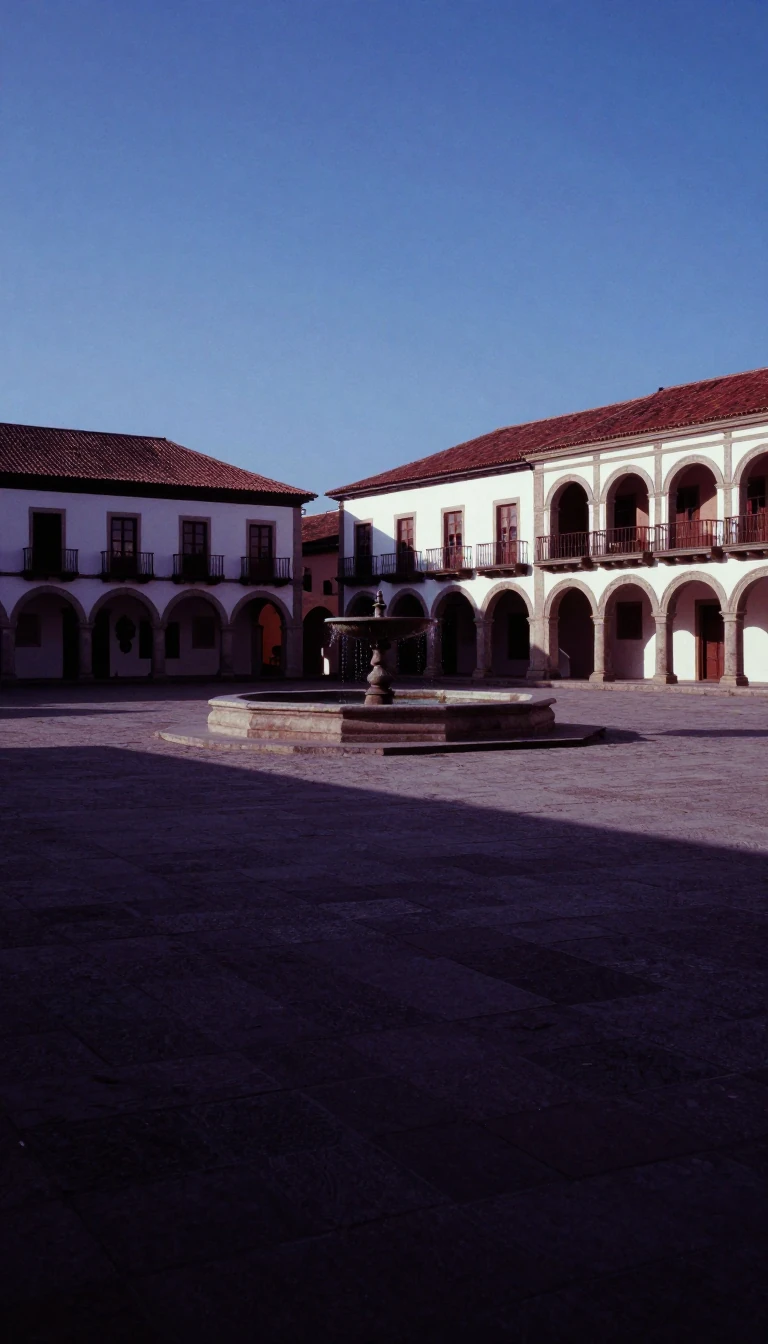
In short: Gualberto Villarroel, a reformist military officer, became Bolivia's president in 1943. While he championed indigenous rights and labor reforms, his regime was marred by accusations of fascist ties, brutal political executions, and a chaotic, bloody end. His life remains a polarizing case study in the volatile intersection of military power and populism.
Born in 1908, Gualberto Villarroel rose through the military ranks, gaining distinction during the Chaco War. Following the conflict, he joined RADEPA, a clandestine group of officers seeking structural change. In December 1943, this faction, allied with the Revolutionary Nationalist Movement (MNR), overthrew President Enrique Peñaranda. At 35, Villarroel became a de facto president, inheriting a nation deeply influenced by foreign interests and internal political strife.
Villarroel’s administration was defined by a tension between progressive reform and authoritarian repression. He famously repealed laws barring indigenous people from La Paz's main squares and sponsored the 1945 First Indigenous Congress, which abolished the exploitative pongueaje system of unpaid servitude. Simultaneously, his government faced intense international scrutiny. The United States, suspecting pro-Axis sympathies, initially refused recognition, labeling him a 'Mussolini of the Andes' and pressuring him to purge MNR members from his cabinet.
The regime's stability crumbled under the weight of internal violence. The 1944 executions of political conspirators at Chuspipata and Challacollo—where bodies were discarded in a 3,000-foot ravine—turned public opinion against him. By July 1946, a coalition of teachers, students, and workers demanded wage adjustments and the removal of MNR officials. As protests escalated into an armed insurrection, military support evaporated.
On 21 July 1946, after resigning in a failed bid to prevent a massacre, Villarroel was discovered hiding in the Palacio Quemado. He was killed during the storming of the palace, and his body was subsequently lynched and hung from a lamp post in the Plaza Murillo. His death marked a brutal conclusion to a presidency that sought to redefine Bolivia's social order while struggling to survive the pressures of a global war and internal dissent.
Opens the Intellect+ feed with this card first. Swipe up for the next one.
Sources
- Summary by Intellect · source: Gualberto Villarroel
To cite this card, link to https://intellectplus.co.uk/app/society-gualberto-villarroel.
How we source, check and correct cards: Editorial standards.
General information, not professional advice. Spotted an error? Flag the card or see corrections and complaints.
Intellect Plus is a visual educational discovery platform for exploring fascinating facts and ideas. Brain Food, Not Brain Rot. What is Intellect Plus?
Related
More in Modern · More in Society · Latest · A–Z · All topics
