How the last pharaoh of Egypt's 18th dynasty erased his predecessors from history
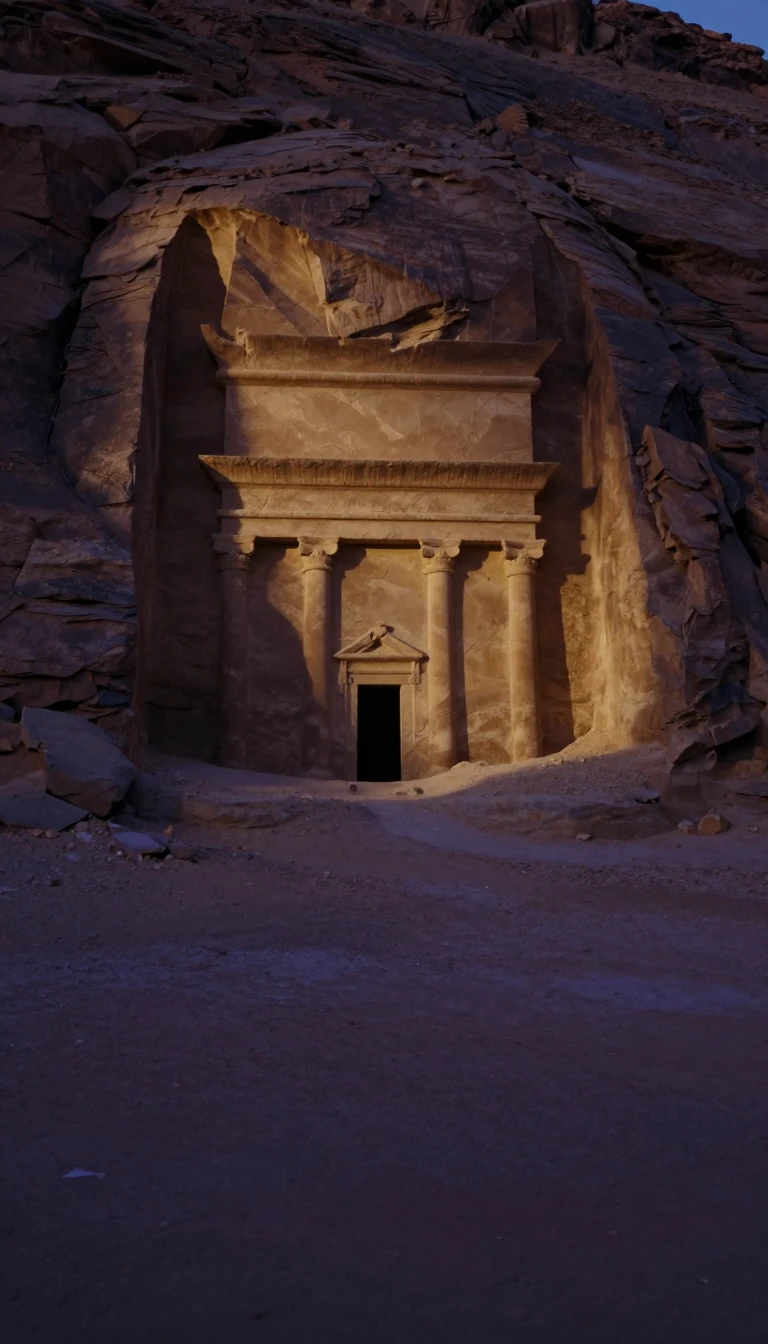
In short: Horemheb ascended from military commander to pharaoh, ending the 18th dynasty by systematically dismantling the legacy of his predecessors. He did not merely replace their religious reforms; he physically usurped their monuments and struck their names from official records, effectively rewriting the history of Egypt to consolidate his own power.
Reigning from approximately 1319 to 1292 BCE, Horemheb emerged as the final ruler of the 18th dynasty. Before seizing the throne, he served as the commander of the army under Tutankhamen and succeeded the ephemeral reign of Ay. His rise to power marked a definitive shift away from the religious upheaval of the Amarna Period, during which Akhenaton had replaced the traditional worship of Amon with the cult of Aton.
Horemheb’s administration was defined by a aggressive campaign of restoration and erasure. He dismantled the temples of Aton at Karnak and repurposed the rubble for his own monumental building projects, including the construction of three massive pylons. Simultaneously, he restored damaged reliefs and statues of Amon. His efforts to stabilize the state extended to the Edict of Horemheb, a legislative document designed to curb corruption within the Egyptian government.
The most striking aspect of his reign was his systematic attempt to delegitimize those who came before him. Horemheb usurped the monuments of Tutankhamen and Ay by carving his own name over theirs. By striking the names of Akhenaton, Tutankhamen, and Ay from official king lists, he effectively subsumed their reigns into his own. Having no surviving sons, he appointed his vizier, the general Ramses I, as his successor, thereby establishing the 19th dynasty.
Though Horemheb married Mutnodjmet, who may have held familial ties to earlier royal women, he is believed to have been of common birth. His legacy remains physically etched in the landscape of Egypt; while he prepared a grand tomb for himself at Ṣaqqārah before his accession, he was ultimately interred in the Valley of the Kings. His actions ensured that the memory of the Amarna rulers was suppressed, positioning his own rule as the necessary restoration of order.
Opens the Intellect+ feed with this card first. Swipe up for the next one.
Sources
- Summary by Intellect · source: Horemheb | Pharaoh, Dynasty, & Military | Britannica
- Also: Horemheb
To cite this card, link to https://intellectplus.co.uk/app/society-horemheb.
How we source, check and correct cards: Editorial standards.
General information, not professional advice. Spotted an error? Flag the card or see corrections and complaints.
Intellect Plus is a visual educational discovery platform for exploring fascinating facts and ideas. Brain Food, Not Brain Rot. What is Intellect Plus?
Related
More in Ancient egypt · More in History · Latest · A–Z · All topics
