Is the internet a global commons or a collection of national firewalls?
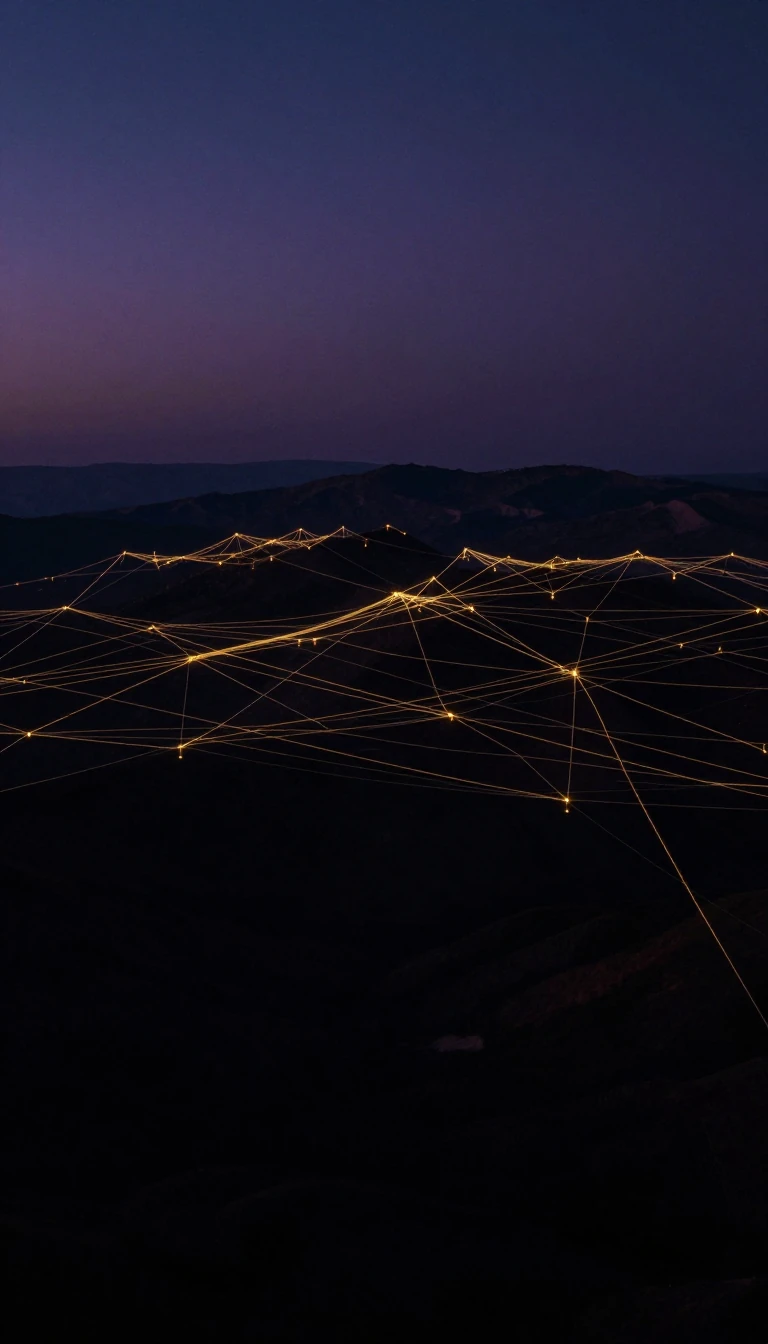
In short: Internet censorship is not just a government tool; it is a complex technical architecture. While some view the web as an uncontainable force that routes around damage, others argue that sophisticated filtering and corporate-supplied software have made the control of information a feasible reality for modern states.
Internet censorship involves the legal suppression of online content, ranging from specific domain blocking to comprehensive national firewalls. While the internet’s distributed nature makes total control difficult, states employ diverse technical methods—such as DNS filtering, IP address blocking, and packet inspection—to restrict access. These measures are often dynamic, sometimes surreptitiously returning fake error messages to mislead users about the nature of the block.
The effectiveness of these systems remains a subject of intense debate. In 1993, John Gilmore famously claimed the internet treats censorship as damage and routes around it, a sentiment echoed by Vint Cerf in 2007. However, researchers from the Oxford Internet Institute argued in 2011 that information control is entirely feasible. While tools like VPNs allow users to circumvent restrictions, their adoption remains limited; a 2009 study suggested less than two percent of filtered users utilized such tools at the time.
The infrastructure of censorship is often built using commercial software originally designed for corporate security. Companies from nations including the United States, France, and Canada have provided filtering technology used by governments to block sensitive content. In 2013, Reporters Without Borders identified several 'Corporate Enemies of the Internet' for selling products that facilitate human rights violations. Furthermore, legal actions, such as a 2011 lawsuit against Cisco regarding China's 'Golden Shield' firewall, highlight the role of private enterprise in shaping the digital landscape.
Ultimately, technical censorship is prone to both over-blocking and under-blocking. Because filters often rely on broad categories or shared IP addresses, legitimate content is frequently caught in the crossfire. As states continue to refine these methods—and as age verification mandates like Australia's 2024 Online Safety Amendment expand—the dream of a truly borderless, uncensored internet faces significant, ongoing structural challenges.
Opens the Intellect+ feed with this card first. Swipe up for the next one.
Sources
- Summary by Intellect · source: Internet censorship
To cite this card, link to https://intellectplus.co.uk/app/society-internet-censorship.
How we source, check and correct cards: Editorial standards.
General information, not professional advice. Spotted an error? Flag the card or see corrections and complaints.
Intellect Plus is a visual educational discovery platform for exploring fascinating facts and ideas. Brain Food, Not Brain Rot. What is Intellect Plus?
Related
More in Society · More in Society · Latest · A–Z · All topics
