A President's Vision for Modern Peru Ended in a Brutal, Fiery Coup
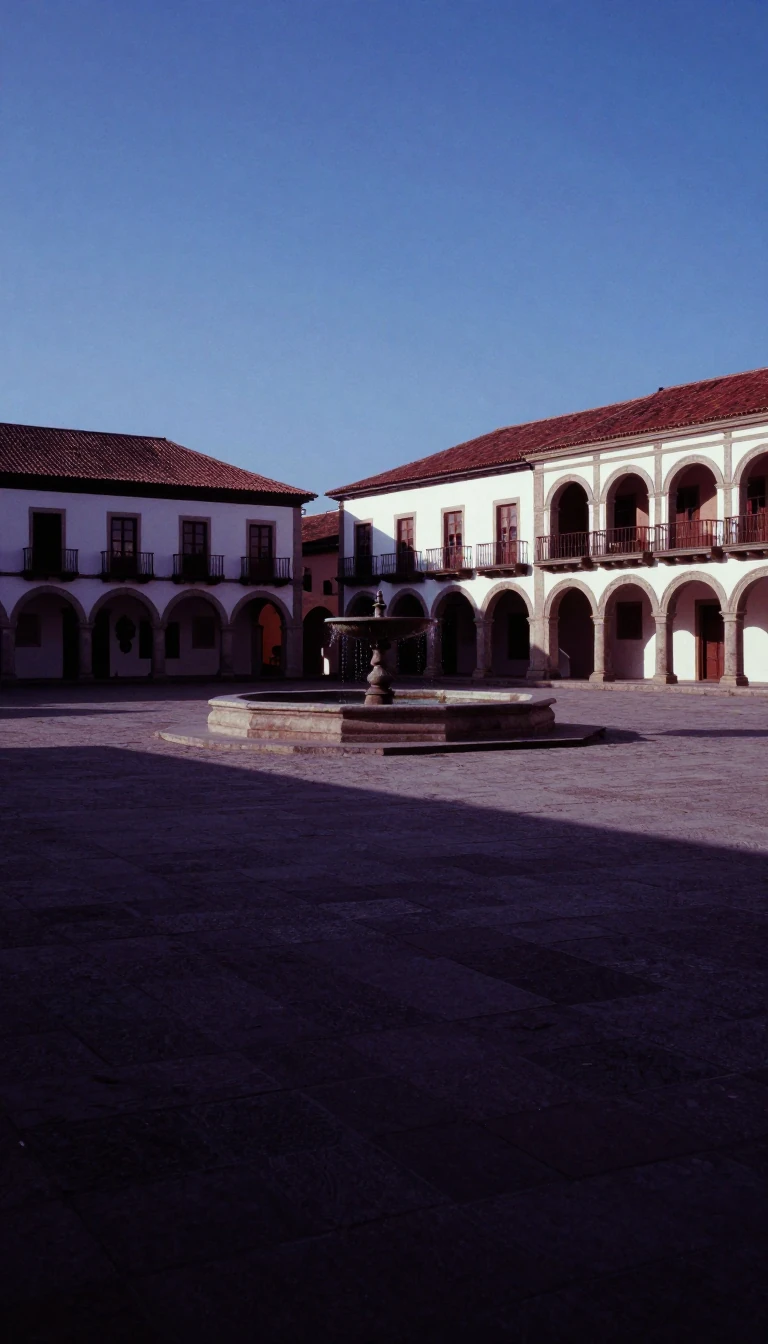
In short: José Balta transformed Peru through ambitious infrastructure and foreign debt, only to be assassinated by his own cabinet. While he successfully modernized the nation’s railways and architecture, his reliance on foreign monopolies and the resulting economic strain triggered a violent power struggle that ultimately cost him his life in 1872.
José Balta y Montero, a career soldier who rose to the presidency in 1868, sought to drag Peru into a new era of modernization. Facing a severe financial crisis, he appointed Nicolás de Piérola as finance minister to secure foreign capital. Their strategy involved granting the French-Jewish firm Dreyfus Hnos a monopoly on guano exports. This controversial move, finalized in 1869 and approved by Congress in 1870, bypassed local oligarchs and provided the necessary funds for massive public works, including extensive railway expansion, new piers, and major urban avenues in Lima.
The results were physically transformative. Peru’s rail network grew from just 90 miles in 1861 to 947 miles by 1874, eventually reaching 1,963 miles by 1879. Beyond transport, Balta founded the School of Agriculture and commissioned iconic landmarks like the Palace of the Exhibition. However, the government’s inability to pay contractors led to a cycle of borrowing against future guano revenues, ballooning the national debt and creating deep political instability.
By 1872, as Balta’s term neared its end, he resisted pressure from his own cabinet to remain in power—a rare move in Peruvian history. This refusal incensed his Defense Minister, Tomás Gutiérrez, who launched a coup on July 22, 1872. Balta was imprisoned and subsequently murdered in his bed by officers acting on the orders of Marceliano Gutiérrez, who sought revenge for his brother Silvestre’s death during street skirmishes. The public reaction was swift and gruesome: the populace lynched Tomás and his brothers, burning their bodies in the streets of Lima. Despite his violent end, Balta’s legacy of infrastructure remains a defining, if debt-ridden, chapter of 19th-century Peru.
Opens the Intellect+ feed with this card first. Swipe up for the next one.
Sources
- Summary by Intellect · source: José Balta
To cite this card, link to https://intellectplus.co.uk/app/society-jos-balta.
How we source, check and correct cards: Editorial standards.
General information, not professional advice. Spotted an error? Flag the card or see corrections and complaints.
Intellect Plus is a visual educational discovery platform for exploring fascinating facts and ideas. Brain Food, Not Brain Rot. What is Intellect Plus?
Related
More in History · Latest · A–Z · All topics
