Was West Germany's third chancellor a reformed democrat or an unrepentant Nazi collaborator?
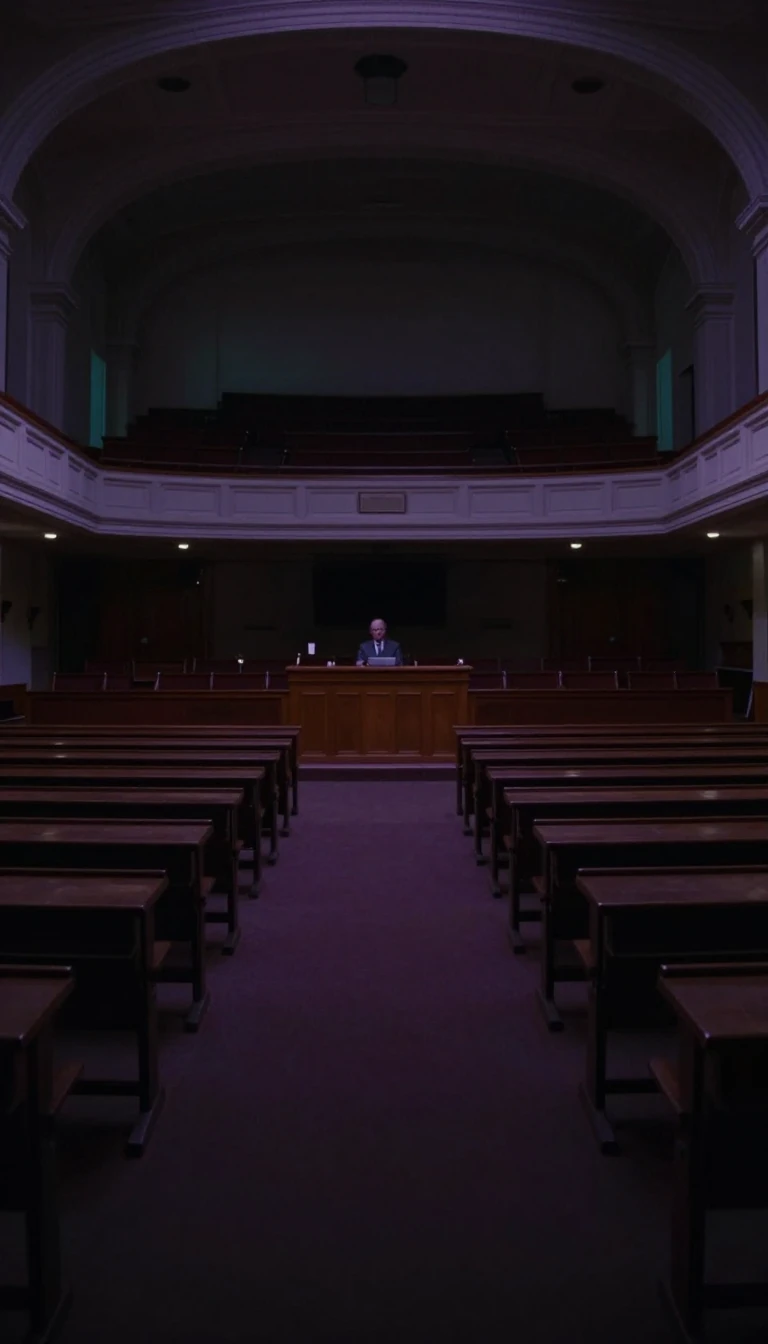
In short: Kurt Georg Kiesinger led West Germany from 1966 to 1969, yet his legacy remains defined by his past. A former Nazi Party member who held a high-ranking position in the Foreign Office, he became a lightning rod for student protests demanding a true reckoning with Germany's dark history.
Born in 1904, Kiesinger was a lawyer who joined the Nazi Party in 1933. By 1942, he served as deputy head of the Foreign Office's broadcasting department, a role that placed him directly beneath the political leadership. Despite his later claims that he joined the party to reform it from within and counter antisemitic propaganda, his early writings explicitly welcomed Germany's shift toward dictatorship and the establishment of national unity.
Following the war, Kiesinger was interned for 18 months by American authorities. He was initially classified as a 'follower' but was later exonerated, allowing him to return to law and politics. His rapid ascent to the chancellorship in 1966, achieved through a grand coalition with the Social Democratic Party, sparked intense controversy. Critics, particularly within the student movement, viewed his leadership as evidence that West Germany had failed to adequately confront its Nazi past.
The complexity of his record is further highlighted by contradictory evidence from the war years. While he was denounced by colleagues to the SS for allegedly inhibiting anti-Jewish actions, his own early articles and his role in the Foreign Office suggest a man deeply embedded in the regime's machinery. His nickname, 'King Silver Tongue,' reflected his oratorical skill, which helped him navigate the political landscape of the Weimar Republic, the Nazi era, and the post-war Federal Republic.
Kiesinger’s career remains a case study in the ambiguity of post-war German identity. He described himself as a 'Protestant Catholic' and navigated the transition from the collapse of the Weimar Republic to the stability of the Adenauer era. Whether he was a genuine convert to democracy or an opportunist who survived by adapting to changing power structures continues to be a subject of historical debate.
Opens the Intellect+ feed with this card first. Swipe up for the next one.
Sources
- Summary by Intellect · source: Kurt Georg Kiesinger
To cite this card, link to https://intellectplus.co.uk/app/society-kurt-georg-kiesinger.
How we source, check and correct cards: Editorial standards.
General information, not professional advice. Spotted an error? Flag the card or see corrections and complaints.
Intellect Plus is a visual educational discovery platform for exploring fascinating facts and ideas. Brain Food, Not Brain Rot. What is Intellect Plus?
Related
More in History · Latest · A–Z · All topics
