How one photographer hid thousands of forbidden images beneath his floorboards for decades
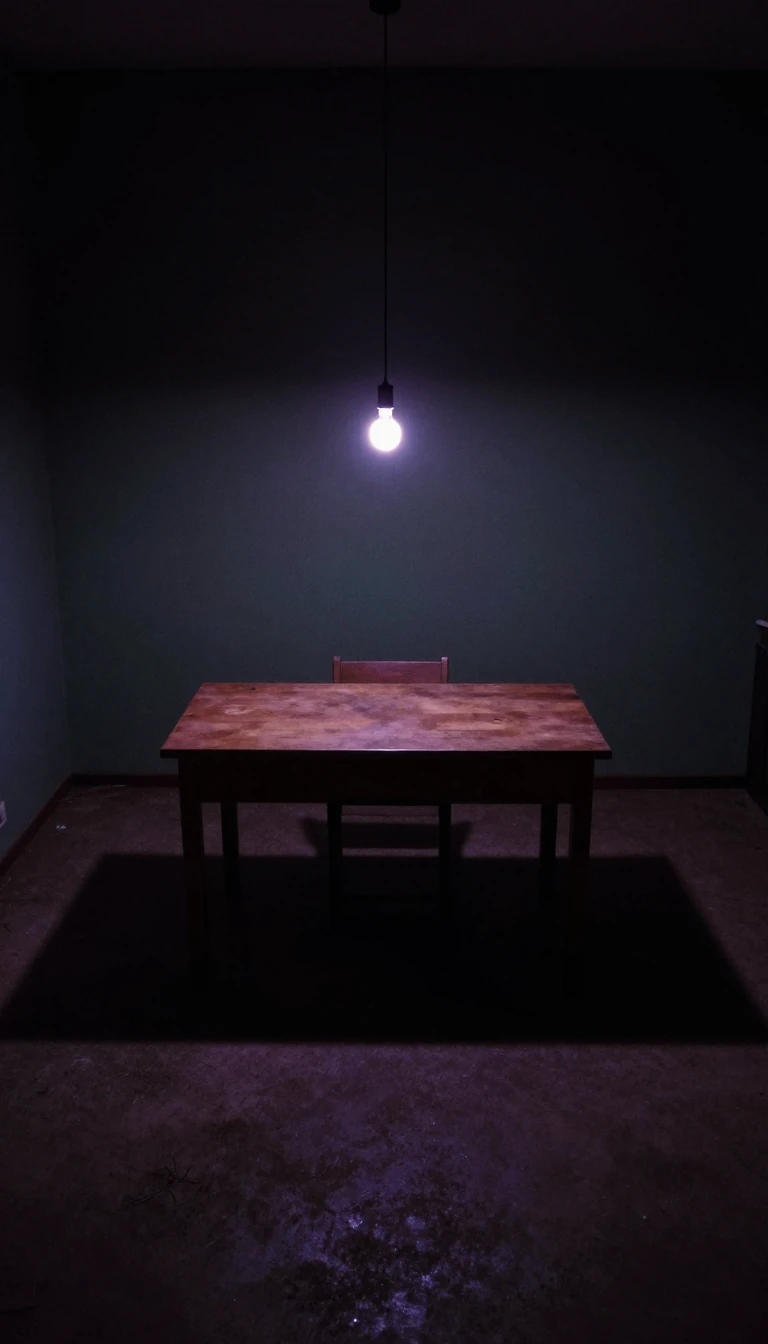
In short: Li Zhensheng captured the brutal reality of China's Cultural Revolution while working for a state newspaper that demanded only positive propaganda. By wearing a Red Guard armband, he gained access to atrocities, secretly stashing his negative images under his floorboards to ensure the truth survived for future generations.
Li Zhensheng, a photojournalist for the Heilongjiang Daily, navigated a dangerous political landscape by adopting the persona of a loyal revolutionary. To photograph without harassment, he formed his own rebel group and wore the red armband of the Red Guards. This allowed him to document the dehumanizing tactics of the era, including public denunciations, the shaving of heads, and executions of alleged counter-revolutionaries. Because the state mandated that only positive images of Chairman Mao be published, Li meticulously hid his 'negative' photographs beneath the floorboards of his Harbin apartment.
The preservation of these images was aided by the dry, mild climate of Harbin. Li amassed nearly 100,000 photos during the Cultural Revolution, capturing both the state-sanctioned propaganda and the gruesome realities of the time. He even utilized a clever technique to document his own presence: he would intentionally leave one frame on every roll of film to take a self-portrait, often in playful or defiant poses, such as baring his chest to symbolize resilience against the surrounding violence.
Li’s secret archive remained hidden until 1988, when he first displayed a selection of his work at a Beijing photography competition. Following the 1989 events in Tiananmen Square, Li became determined to share his collection with the world. Working with French-British editor Robert Pledge, he sent over 30,000 negatives to New York City. The resulting 2003 book, Red-Color News Soldier, provided an unprecedented look at the period between 1965 and 1976. Despite his criticism of the government, Li maintained that his work was not anti-Chinese, but rather a necessary record of the painful history required for a nation's evolution.
While the book brought international recognition, it has never been published in China, where the government continues to suppress inquiry into the tragedies of the Cultural Revolution. Li, who was himself demoted and sent to labor camps during the era, eventually became a professor at Peking University in 1982. His life and work are now honored at a private museum in Sichuan Province, which opened in 2017 as part of the Jianchuan Museum Cluster.
Opens the Intellect+ feed with this card first. Swipe up for the next one.
Sources
- Summary by Intellect · source: Li Zhensheng (photojournalist)
To cite this card, link to https://intellectplus.co.uk/app/society-li-zhensheng-photojournalist.
How we source, check and correct cards: Editorial standards.
General information, not professional advice. Spotted an error? Flag the card or see corrections and complaints.
Intellect Plus is a visual educational discovery platform for exploring fascinating facts and ideas. Brain Food, Not Brain Rot. What is Intellect Plus?
Related
More in Journalists · More in Society · Latest · A–Z · All topics
