Did Charles Dickens base his most villainous schoolmaster on a real Yorkshire educator?
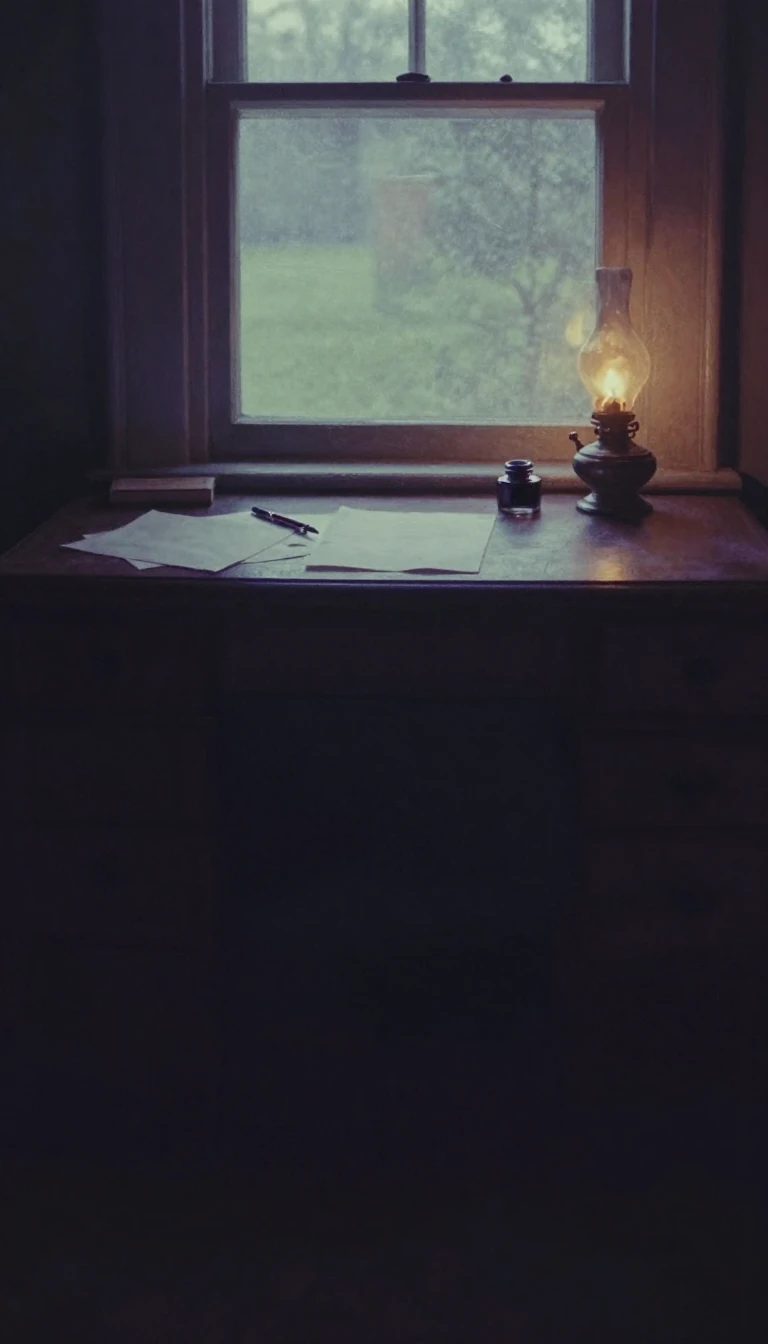
In short: In his 1838 novel Nicholas Nickleby, Charles Dickens introduced Wackford Squeers, the sadistic head of Dotheboys Hall. While Dickens claimed the character was a composite, critics argue he was a thinly veiled portrait of William Shaw, a real schoolmaster whose academy faced a public scandal involving blinded, neglected children.
Published as a serial between 1838 and 1839, Nicholas Nickleby served as a vehicle for Dickens to expose the brutal reality of Yorkshire boarding schools. The narrative follows young Nicholas, who is forced to seek employment at Dotheboys Hall after his father’s death leaves his family destitute. There, he encounters the cruel Wackford Squeers, a one-eyed master who starves and beats his pupils. The school serves as a microcosm of the exploitation Nicholas faces throughout the novel, from his sister Kate’s humiliation in the London fashion industry to the predatory financial schemes of his uncle, Ralph Nickleby.
Dickens maintained that Squeers was a fictional composite created to draw attention to systemic abuse. However, literary critic Cumberland Clark later challenged this denial, suggesting it was motivated by a fear of libel. Clark identified William Shaw, proprietor of William Shaw’s Academy in Bowes, as the true inspiration. Evidence for this link is compelling: a court case against Shaw involved parents suing over a boy blinded by neglect, and the description of Shaw’s premises mirrors the fictional Dotheboys Hall. Even the business card used by Squeers in the text matches the wording found on a surviving card from Shaw’s actual academy.
The novel’s impact lies in its stark contrast between the predatory nature of characters like Squeers, Ralph Nickleby, and the lecherous Sir Mulberry Hawk, and the redemptive influence of the benevolent Cheeryble brothers. While the story concludes with the triumph of justice—Squeers is transported to Australia and Ralph dies by suicide after learning he unknowingly fathered the mistreated Smike—the underlying critique of Victorian social structures remains central. By blending personal tragedy with a broader indictment of institutional cruelty, Dickens transformed his hero’s quest for survival into a powerful commentary on the moral responsibilities of the wealthy toward the vulnerable.
Opens the Intellect+ feed with this card first. Swipe up for the next one.
Sources
- Summary by Intellect · source: Nicholas Nickleby
To cite this card, link to https://intellectplus.co.uk/app/society-nicholas-nickleby.
How we source, check and correct cards: Editorial standards.
General information, not professional advice. Spotted an error? Flag the card or see corrections and complaints.
Intellect Plus is a visual educational discovery platform for exploring fascinating facts and ideas. Brain Food, Not Brain Rot. What is Intellect Plus?
Related
More in Education · More in Society · Latest · A–Z · All topics
