Why the world skipped ten days in October 1582 to fix the calendar
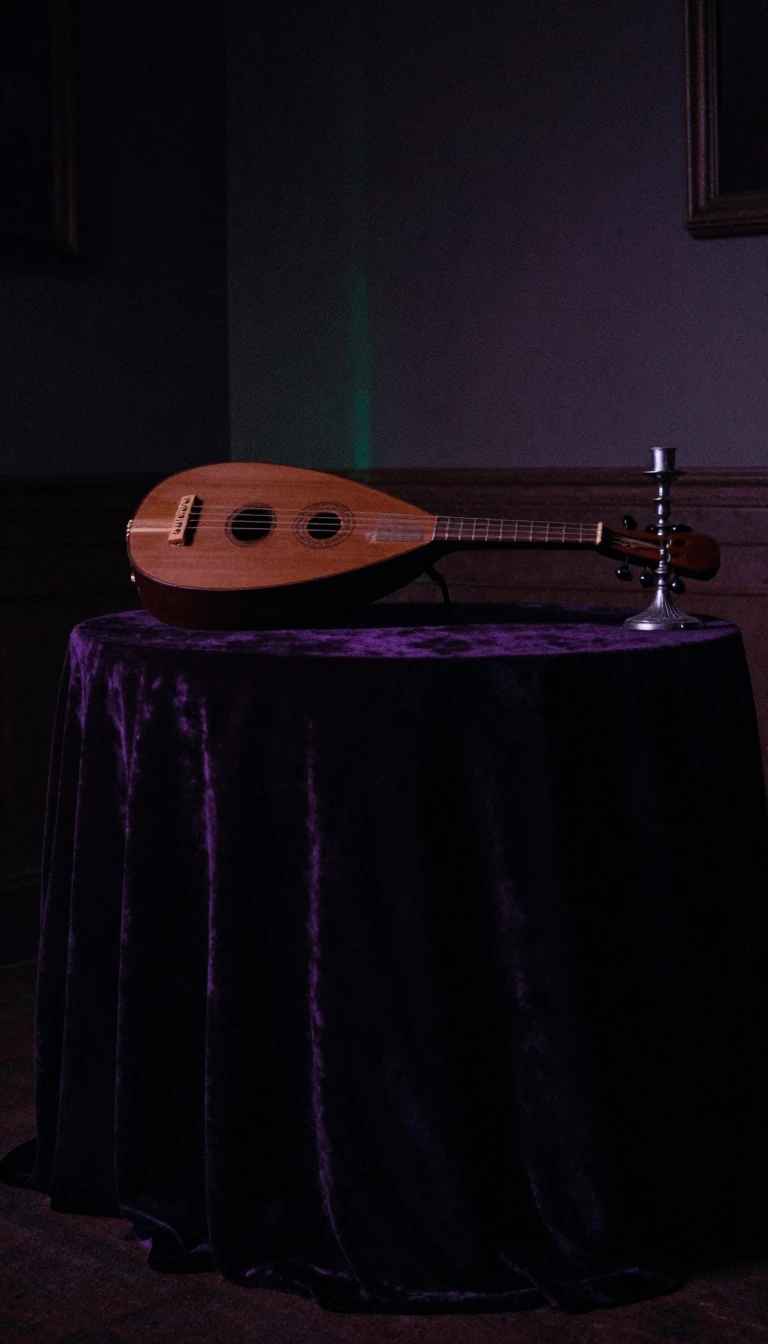
In short: Pope Gregory XIII is remembered for the calendar that dictates our modern lives, but his reign was defined by far more than timekeeping. From funding failed invasions of England to centralizing papal power and navigating the religious wars of the Reformation, Gregory was a polarizing figure of the sixteenth century.
Born Ugo Boncompagni in 1502, Gregory XIII rose through the ranks of the Catholic Church as a skilled jurist and diplomat. His election in 1572 was swift, lasting less than 24 hours, and was reportedly aided by the influence of Philip II of Spain. Once in power, Gregory proved to be a fiercely independent leader who centralized authority, diminished the influence of the College of Cardinals, and aggressively implemented the reforms mandated by the Council of Trent.
His most enduring legacy, the Gregorian calendar, was a mathematical necessity. By the 16th century, the Julian calendar had drifted significantly, causing the vernal equinox to fall on March 10 instead of the traditional March 21. To correct this, Gregory issued the bull Inter gravissimas in 1582, mandating that October 4 be followed immediately by October 15. While the reform was essential for aligning the liturgical calendar with the seasons, it faced intense public suspicion; many feared it was a ploy by landlords to steal rent money. Protestant nations resisted the change for over a century, with Great Britain and its colonies not adopting the system until 1752.
Gregory's reign was also marked by intense geopolitical maneuvering. He was a staunch opponent of Protestantism, supporting Philip II’s efforts to dethrone Elizabeth I of England and funding ill-fated military expeditions to Ireland. His domestic policies were equally controversial; he confiscated vast amounts of property to fund his initiatives, which enriched the papal treasury but incited social and economic instability. Despite these conflicts, he was a prolific patron of the arts and sciences, expanding the Roman College—now the Pontifical Gregorian University—and commissioning the Vatican’s famous Gallery of Maps.
The Pope’s personal life was not without scandal by the standards of his office. He was the last pope to acknowledge an illegitimate child, Giacomo Boncompagni, whom he elevated to positions of significant power and wealth. Gregory died in 1585 after a brief illness, leaving behind a legacy that transformed the structure of the Church and the way the entire world measures time.
Opens the Intellect+ feed with this card first. Swipe up for the next one.
Sources
- Summary by Intellect · source: Pope Gregory XIII
To cite this card, link to https://intellectplus.co.uk/app/society-pope-gregory-xiii.
How we source, check and correct cards: Editorial standards.
General information, not professional advice. Spotted an error? Flag the card or see corrections and complaints.
Intellect Plus is a visual educational discovery platform for exploring fascinating facts and ideas. Brain Food, Not Brain Rot. What is Intellect Plus?
Related
More in History · Latest · A–Z · All topics
