Did an Egyptian Pharaoh once school the Greeks on the meaning of fair play?
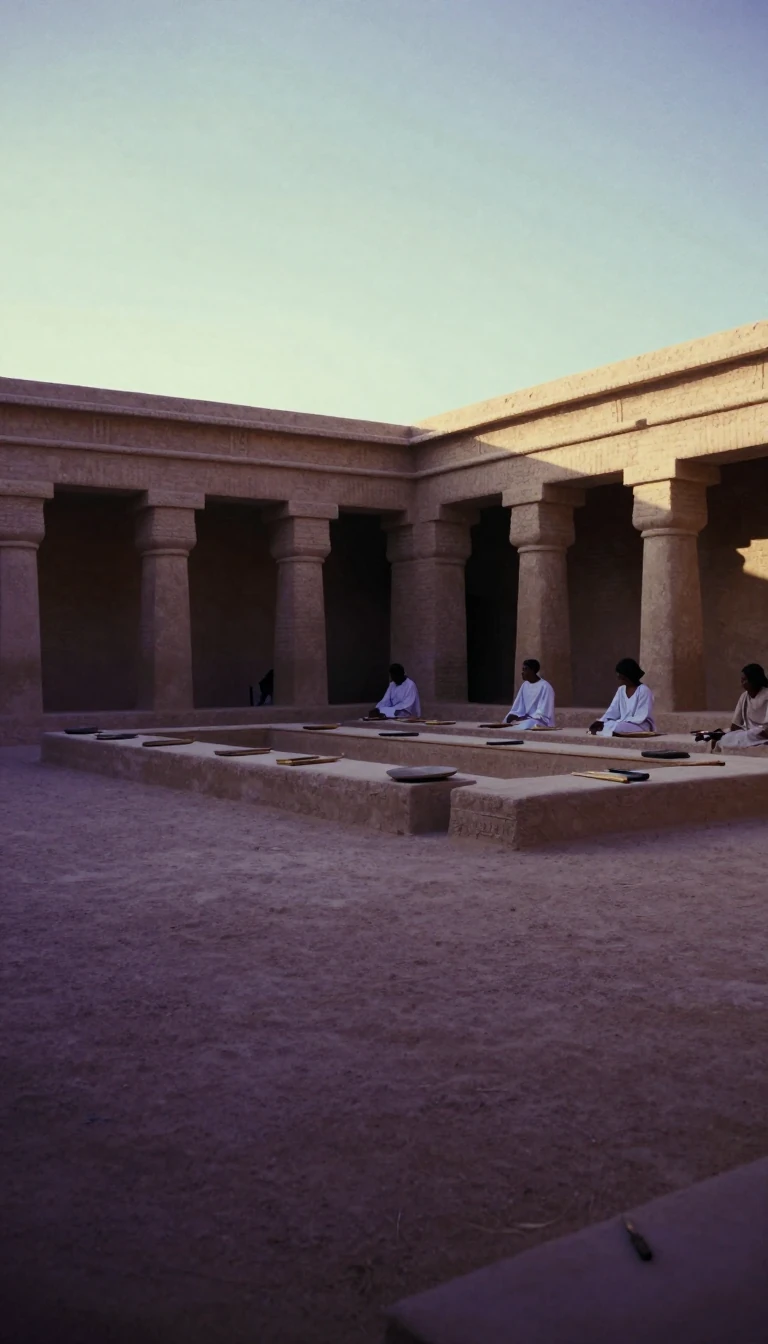
In short: Psamtik II, a powerful Saite king, was more than a warrior who sacked Kush. When ambassadors from Elis arrived to boast about the fairness of the Olympic Games, Psamtik assembled his wisest men. Their verdict on Greek justice was sharp, unexpected, and fundamentally challenged the integrity of the ancient games.
Psamtik II reigned from 595 BC to 589 BC as a member of the Twenty-sixth Dynasty. His rule was defined by both military aggression and architectural ambition. In 592 BC, he launched a major campaign into Nubia, marching deep into the kingdom of Kush. His forces reached as far as the Third or Fourth Cataract, sacking the capital of Napata and destroying royal Kushite statues. This decisive action effectively crippled Kushite aspirations to reconquer Egypt, forcing the Nubian rulers to shift their power base further south to Meroë.
Beyond his military exploits, Psamtik II was a prolific builder. He erected massive obelisks in Heliopolis, including one that would eventually be transported to Rome by Augustus in 10 BC. He also founded the Temple-house at Hibis in the El-Kharga Oasis, a site that remains one of the best-preserved monuments of the early Egyptian Late Period. His reign was marked by a deliberate effort to erase the legacy of the 25th Dynasty, hacking out the names and royal emblems of his predecessors from monuments across Egypt.
Perhaps his most intriguing legacy is a diplomatic encounter recorded regarding the Olympic Games. When Elean ambassadors visited Egypt to showcase their rules of fairness, Psamtik summoned his wisest advisors. Upon hearing that Eleans themselves competed in the games, the Egyptians argued that such a system was inherently unjust. They reasoned that the hosts would inevitably favor their own townsmen over strangers, suggesting that true justice required excluding the organizers from the competition entirely. This anecdote highlights the intellectual stature of the Saite court, which viewed Greek customs through a lens of rigorous, detached logic.
Psamtik II died in 589 BC, leaving behind a kingdom that would be inherited by his son, Apries. His brief six-year reign left a lasting imprint on the landscape of Egypt, from the granite columns reused in modern villages to the enduring temple structures at Hibis. His life serves as a bridge between the traditional power of the Pharaohs and the shifting geopolitical realities of the Mediterranean world.
Opens the Intellect+ feed with this card first. Swipe up for the next one.
Sources
- Summary by Intellect · source: Psamtik II
To cite this card, link to https://intellectplus.co.uk/app/society-psamtik-ii.
How we source, check and correct cards: Editorial standards.
General information, not professional advice. Spotted an error? Flag the card or see corrections and complaints.
Intellect Plus is a visual educational discovery platform for exploring fascinating facts and ideas. Brain Food, Not Brain Rot. What is Intellect Plus?
Related
More in Ancient egypt · More in History · Latest · A–Z · All topics
