Most Northern Irish children still attend schools separated by religion
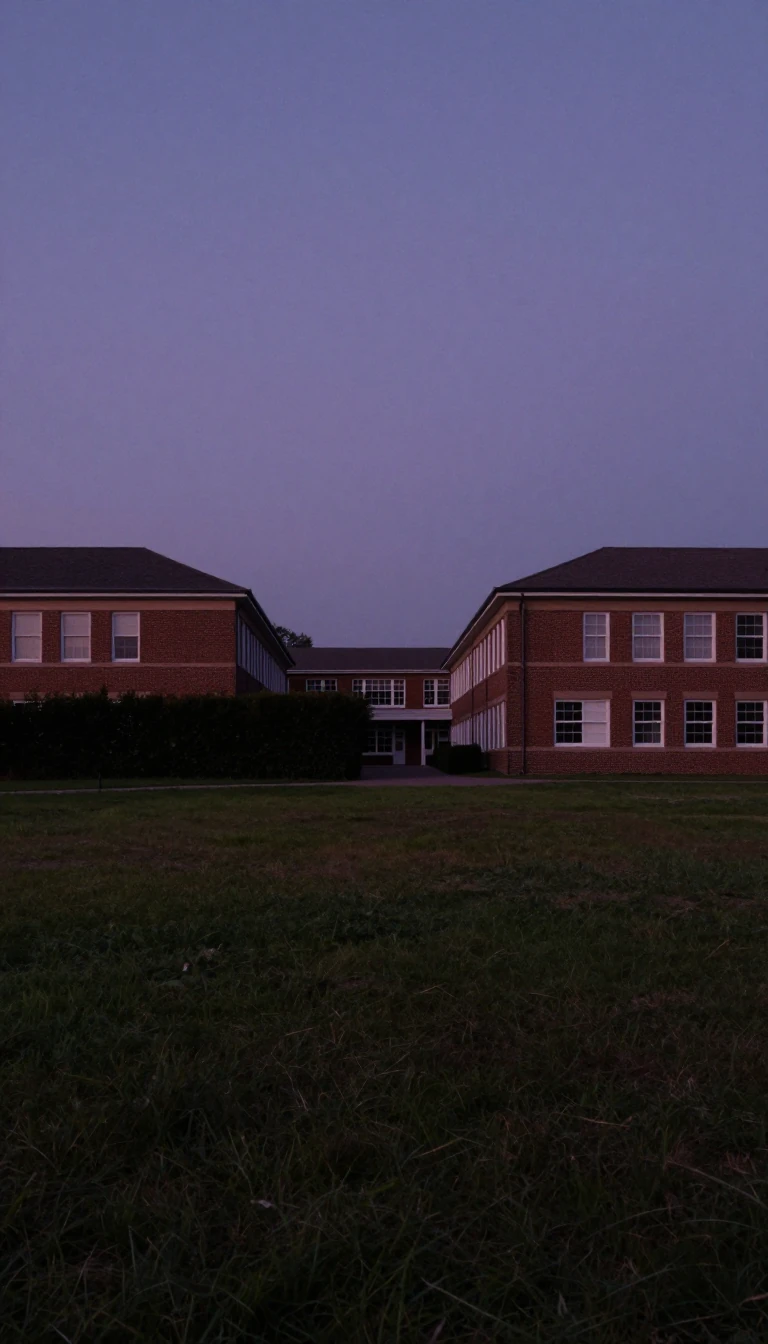
In short: In Northern Ireland, most children grow up in schools divided by religion, and by 2017 about 93 per cent were in segregated schools. Historians and commentators say this separation, alongside housing and marriage patterns, has shaped the region's long conflict. The full picture is more layered than one headline suggests.
Segregation in Northern Ireland is a long-running feature of its social and political history, and it involves the region's two main voting blocs: Irish nationalists and republicans, who are mainly Roman Catholic, and unionists and loyalists, who are mainly Protestant. Commentators often describe it as both a cause and an effect of the Troubles. A mix of political, religious and social differences, together with the threat of violence between communities, has led to widespread self-segregation, and some have called it self-imposed apartheid.
Education is one of the clearest examples. Most state schools are predominantly Protestant, while most Catholic children attend schools run by the Catholic Church. In 2006 about 90 per cent of children were in segregated schools, a figure that rose to 93 per cent by 2017. The academic John H. Whyte argued that separate education and endogamy, meaning marriage within one's own group, do most to divide the two communities. Integrated schools exist, founded through the efforts of parents rather than the churches, but they remain the exception. Churches and state bodies have supported cross-community projects such as joint trips and forums.
Segregation extends to work and homes. Historically, employment favoured Protestants, especially in senior public posts, shipbuilding, heavy engineering and the police, and Catholic emigration was more common as a result. Anti-discrimination laws from the 1970s onward, strengthened in 1989 and extended in 1998, brought clear improvements: a 2004 review found Catholics well represented in many senior posts, though Protestants became under-represented in parts of the public sector. Public housing is also largely divided, and the share of people living in streets where their own denomination was the majority rose sharply during the early Troubles.
Intermarriage remains uncommon. From 1970 through the 1990s only about 5 per cent of marriages crossed community lines, rising to between 8 and 12 per cent in surveys from 2003 to 2005. Attitudes are becoming more accepting, particularly among younger people and the middle class, though regional differences remain considerable. Authorities built high barriers called peace lines to separate rival neighbourhoods, and their number roughly doubled between 1995 and 2005, even as the peace process advanced. Understanding these patterns helps explain why the divide persists and why its causes are debated.
Opens the Intellect+ feed with this card first. Swipe up for the next one.
Sources
- Summary by Intellect · source: Segregation in Northern Ireland
To cite this card, link to https://intellectplus.co.uk/app/society-segregation-in-northern-ireland.
How we source, check and correct cards: Editorial standards.
General information, not professional advice. Spotted an error? Flag the card or see corrections and complaints.
Intellect Plus is a visual educational discovery platform for exploring fascinating facts and ideas. Brain Food, Not Brain Rot. What is Intellect Plus?
Related
More in Post-classical · More in Society · Latest · A–Z · All topics
