Why the British Army once treated psychological trauma as a lack of character
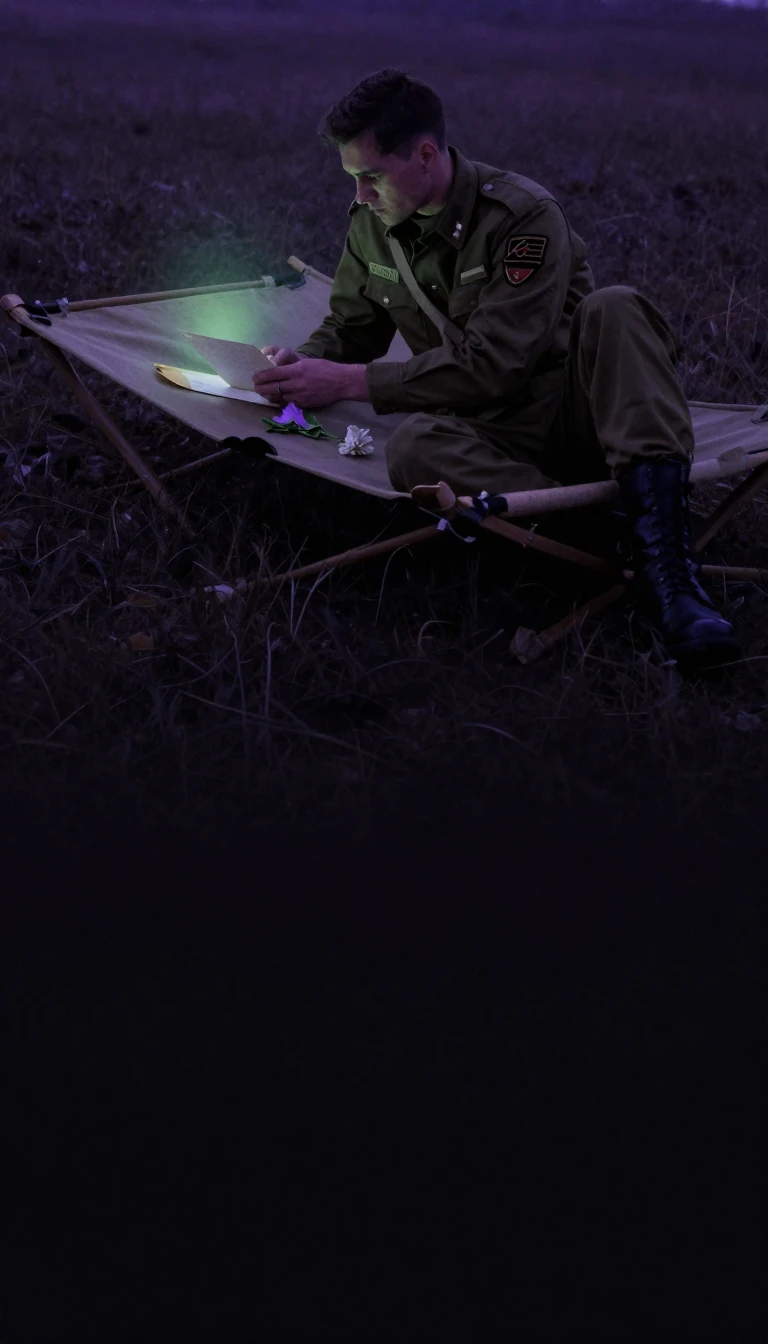
In short: During the First World War, soldiers suffering from the intense psychological strain of combat were often dismissed as cowards. Labeled with the term shell shock, these men faced brutal treatments and military trials, as authorities struggled to distinguish between physical brain injuries and what they perceived as moral weakness.
The term shell shock emerged in 1915 during the Battle of Loos, initially theorized as a physical consequence of artillery explosions. Early medical explanations suggested that shock waves caused cerebral lesions or that soldiers were poisoned by carbon monoxide. However, as symptoms appeared in men far from any shelling, the military shifted toward a psychological interpretation. This transition was partly driven by necessity; labeling a soldier as 'uninjured' made it easier to return them to the front lines, avoiding the financial and manpower costs of an epidemic of psychiatric casualties.
Military leadership frequently viewed long-term symptoms as evidence of a character flaw. This bias had severe consequences, including courts-martial for desertion or cowardice. While executions were rare, 346 soldiers were put to death for military crimes, a decision the United Kingdom government only addressed with a posthumous conditional pardon in 2006. Treatment was often equally harsh; some doctors used electric shocks, cigarettes, or hot plates to force soldiers back to a 'heroic' state, reflecting a desperate attempt to avoid validating nervous breakdown as an honorable exit from service.
By the 1922 Report of the War Office Committee of Enquiry, the military solidified a policy of containment. The goal was to prevent soldiers from viewing mental distress as an escape, recommending rest near the front rather than evacuation. Despite these efforts, the long-term impact was undeniable. By 1939, approximately 120,000 British veterans were receiving pensions for psychiatric disabilities. The legacy of shell shock fundamentally altered cultural memory, influencing writers like Siegfried Sassoon and Wilfred Owen, who documented the profound, lasting changes in men who returned from the front as fundamentally different people.
Opens the Intellect+ feed with this card first. Swipe up for the next one.
Sources
- Summary by Intellect · source: Shell shock
To cite this card, link to https://intellectplus.co.uk/app/society-shell-shock.
How we source, check and correct cards: Editorial standards.
General information, not professional advice. Spotted an error? Flag the card or see corrections and complaints.
Intellect Plus is a visual educational discovery platform for exploring fascinating facts and ideas. Brain Food, Not Brain Rot. What is Intellect Plus?
Related
More in Society · More in Society · Latest · A–Z · All topics
