Was the mysterious Pharaoh Smenkhkare actually Nefertiti ruling in a kingly disguise?
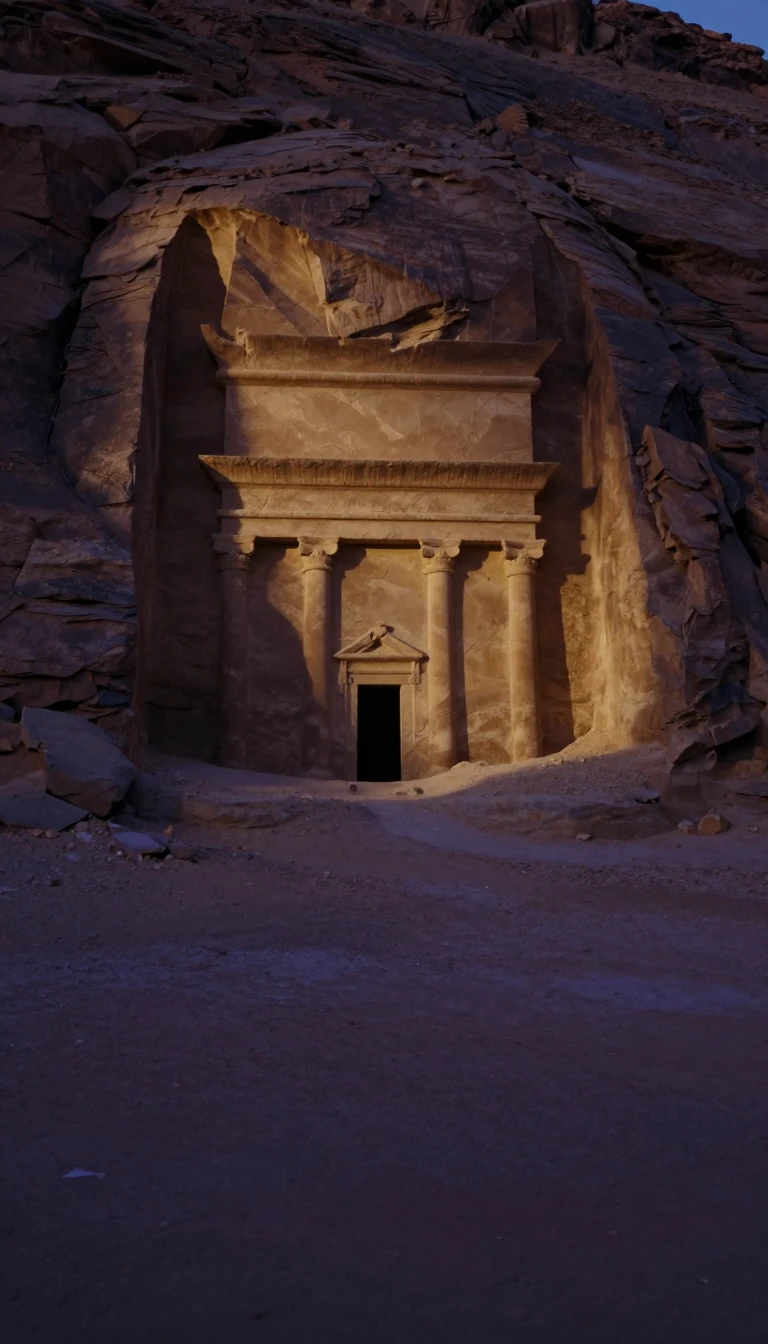
In short: Smenkhkare remains one of ancient Egypt's most elusive figures. Reigning briefly during the 18th Dynasty, this pharaoh left behind almost no trace. Scholars debate whether he was a male relative of Akhenaten or if the name was merely a royal alias for Nefertiti, elevated to the throne to secure power.
The Amarna period, spanning roughly 1539 to 1292 BCE, is defined by its religious upheaval and the enigmatic succession following Akhenaten. Smenkhkare, who reigned around 1336–1334 BCE, sits at the heart of this mystery. Because coronation names were typically unique to a single individual, the fact that Smenkhkare shared the name Ankhkheperure with Neferneferuaten—a name associated with Nefertiti—has led many researchers to conclude that the two were the same person. This theory suggests Nefertiti was granted kingly status to share the throne with her husband, Akhenaten, during his final years.
The physical evidence is equally confounding. A mummy discovered in tomb KV 55 was once widely considered to be Smenkhkare, with some scholars arguing he was a brother to Tutankhamun. However, modern testing by Egypt’s Supreme Council of Antiquities revealed the remains were actually those of Akhenaten himself, the son of Amenhotep III and father of Tutankhamun. This discovery effectively removed the KV 55 mummy as a candidate for Smenkhkare, leaving the pharaoh’s true identity and biological origins in total shadow.
Historical records offer little clarity. While a Theban graffito mentions a third regnal year, other artifacts, such as wine dockets, suggest a reign of only a single year. Because the Amarna period was later subjected to a systematic condemnation of memory, few monuments survive. Whether Smenkhkare was a male co-regent, a separate female pharaoh, or Nefertiti herself remains a subject of intense academic debate. Without definitive inscriptions or clear archaeological proof, Smenkhkare persists as an ephemeral figure, a ghost in the timeline of the 18th Dynasty.
Opens the Intellect+ feed with this card first. Swipe up for the next one.
Sources
- Summary by Intellect · source: Smenkhkare | Pharaoh, Akhenaten, & Nefertiti | Britannica
- Also: Smenkhkare
To cite this card, link to https://intellectplus.co.uk/app/society-smenkhkare.
How we source, check and correct cards: Editorial standards.
General information, not professional advice. Spotted an error? Flag the card or see corrections and complaints.
Intellect Plus is a visual educational discovery platform for exploring fascinating facts and ideas. Brain Food, Not Brain Rot. What is Intellect Plus?
Related
More in Society · Latest · A–Z · All topics
