The humble teapot is a masterpiece of fluid dynamics and cultural evolution.
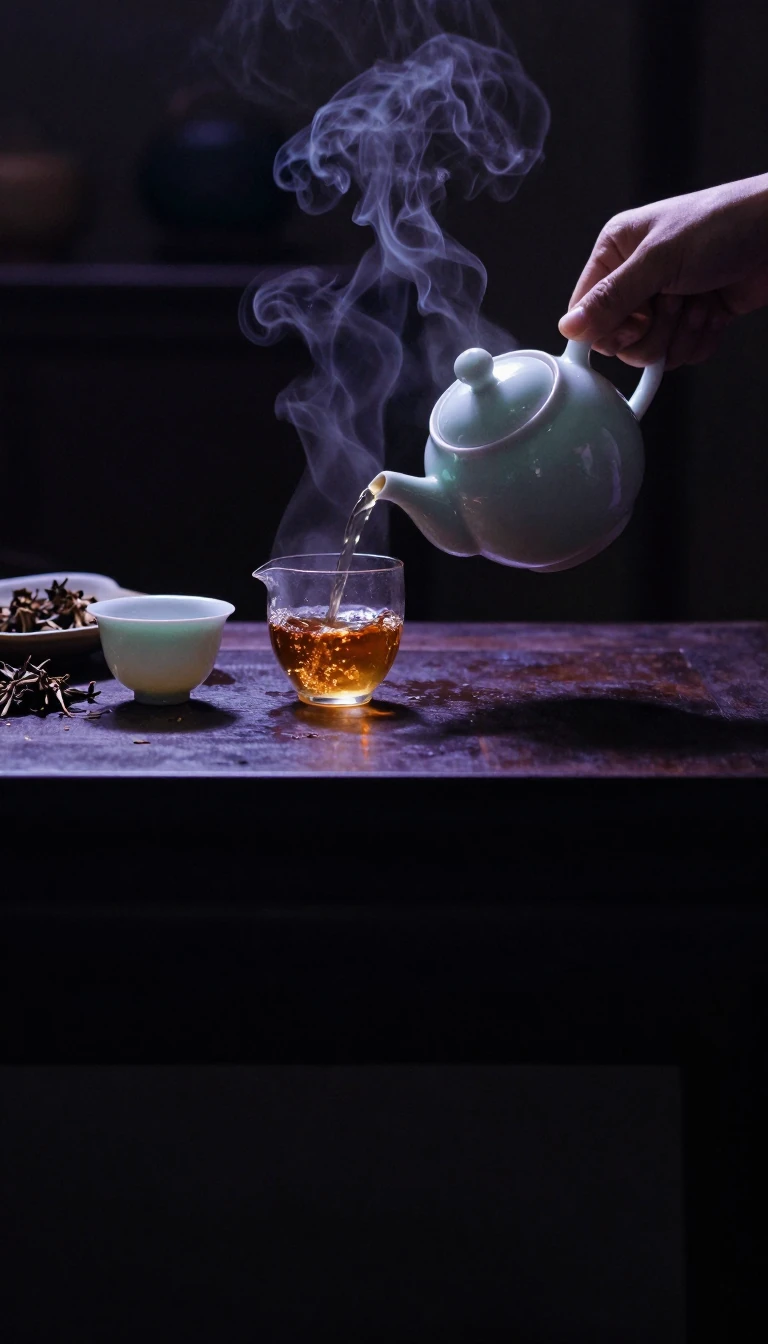
In short: From Neolithic water vessels to the digital standard of computer graphics, the teapot is more than a kitchen tool. It is a complex machine designed to manage heat, airflow, and flavor, reflecting centuries of global trade, social status, and the persistent human desire to master the perfect pour.
The teapot as we know it did not exist for most of tea's history. Early Chinese tea preparation involved boiling ground leaves in cauldrons or whipping them in bowls. It was only during the late Yuan dynasty that infusion became common, leading to the use of ewer-like vessels. While Neolithic pots existed, the first teapots specifically for tea likely appeared around 1500, with the earliest surviving example attributed to Gong Chun in 1513. These early Yixing clay pots were small, designed for individual consumption and multiple infusions, a practice that continues in modern Gongfu ceremonies.
When tea reached Europe in the 17th century, it was a luxury for the elite, and the vessels arrived alongside the leaves. Because Europeans could not yet manufacture porcelain, they initially imported Chinese pots or commissioned silver versions. These silver teapots presented a unique engineering challenge: silver’s high thermal conductivity made the handles dangerously hot. To solve this, makers used insulating plugs of ivory or crafted handles from wood like apple or pear. By the 18th century, European potteries began innovating, introducing new shapes like the pyriform and globular designs, and eventually mass-producing affordable sets for a wider public.
Beyond its function, the teapot has become a profound cultural symbol. In Japan, the kyūsu features a unique side-facing handle, while Moroccan tradition demands a long curved spout to create foam from a height of 30 centimeters. The object’s geometry is so iconic that it serves as a foundational test for computer graphics, known as the Utah Teapot. Meanwhile, Bertrand Russell famously used the teapot as an analogy for the burden of proof in religious philosophy. Whether it is keeping tea warm with a fabric cosy or preventing drips through precise spout curvature, the teapot remains a fascinating intersection of art, physics, and history.
Opens the Intellect+ feed with this card first. Swipe up for the next one.
Sources
- Summary by Intellect · source: Teapot
To cite this card, link to https://intellectplus.co.uk/app/society-teapot.
How we source, check and correct cards: Editorial standards.
General information, not professional advice. Spotted an error? Flag the card or see corrections and complaints.
Intellect Plus is a visual educational discovery platform for exploring fascinating facts and ideas. Brain Food, Not Brain Rot. What is Intellect Plus?
Related
More in Household items · More in Society · Latest · A–Z · All topics
