How a Vietnamese Emperor Stood Tall Against the Might of Kublai Khan
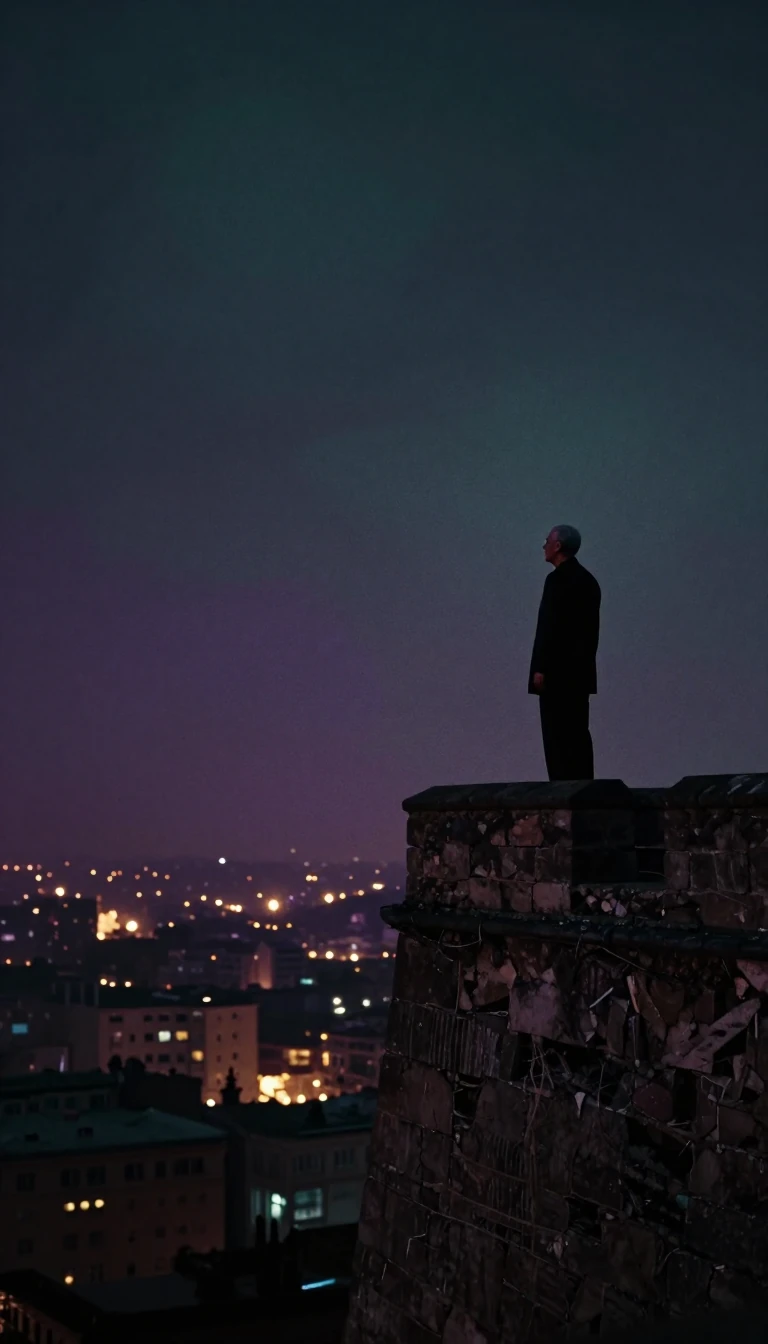
In short: Trần Thánh Tông reigned during a period of existential threat, navigating the rise of the Mongol Yuan dynasty. By balancing diplomatic defiance with military preparation, he and his son successfully defended Đại Việt, securing a legacy as one of the greatest monarchs in the history of the Vietnamese dynastic era.
Born in 1240, Trần Thánh Tông ascended the throne in 1258, immediately following the first Mongol invasion. His early reign focused on economic and administrative rehabilitation, including the implementation of imperial examinations in 1266 to cultivate a skilled bureaucracy. He was a patron of education, even permitting his brother to open a private school for talented scholars, while simultaneously reorganizing the military and maintaining vigilant scouting along the northern border.
His diplomacy was marked by a fierce refusal to submit to the Yuan dynasty. When a Yuan envoy arrived in Thăng Long to deliver an edict from Kublai Khan, Thánh Tông famously stood rather than kowtowing. Despite threats of invasion by a million Yuan troops, the Emperor remained defiant, even surrounding the envoy with guards when negotiations grew heated. He consistently rejected demands to travel to Dadu or search for ancient artifacts, maintaining a flexible but firm stance against the encroaching empire.
The inevitable conflict arrived in 1284 with the second Yuan invasion. Alongside his son, Emperor Trần Nhân Tông, and the commander-in-chief Trần Quốc Tuấn, Thánh Tông led the nation through a grueling war. Despite internal defections, the royal court maintained its resolve, eventually securing decisive victories at Chương Dương and the Battle of Bạch Đằng in 1288. These successes, credited to the supreme command of the two emperors, established a long era of peace.
Historian Ngô Sĩ Liên later praised Thánh Tông as a righteous ruler and a dutiful family man, though he occasionally criticized the Emperor's personal devotion to Buddhism. Beyond his political and military achievements, Thánh Tông was a scholar who composed poetry and authored the literary work Di hậu lục. He died in 1290 at the age of 50, leaving behind a stable, prosperous state that had successfully withstood the most powerful military force of the age.
Opens the Intellect+ feed with this card first. Swipe up for the next one.
Sources
- Summary by Intellect · source: Trần Thánh Tông
To cite this card, link to https://intellectplus.co.uk/app/society-tr-n-th-nh-t-ng.
How we source, check and correct cards: Editorial standards.
General information, not professional advice. Spotted an error? Flag the card or see corrections and complaints.
Intellect Plus is a visual educational discovery platform for exploring fascinating facts and ideas. Brain Food, Not Brain Rot. What is Intellect Plus?
Related
More in Post-classical · More in Society · Latest · A–Z · All topics
