A cursed ring and a dragon's hoard: The ancient Norse saga of the Völsungs
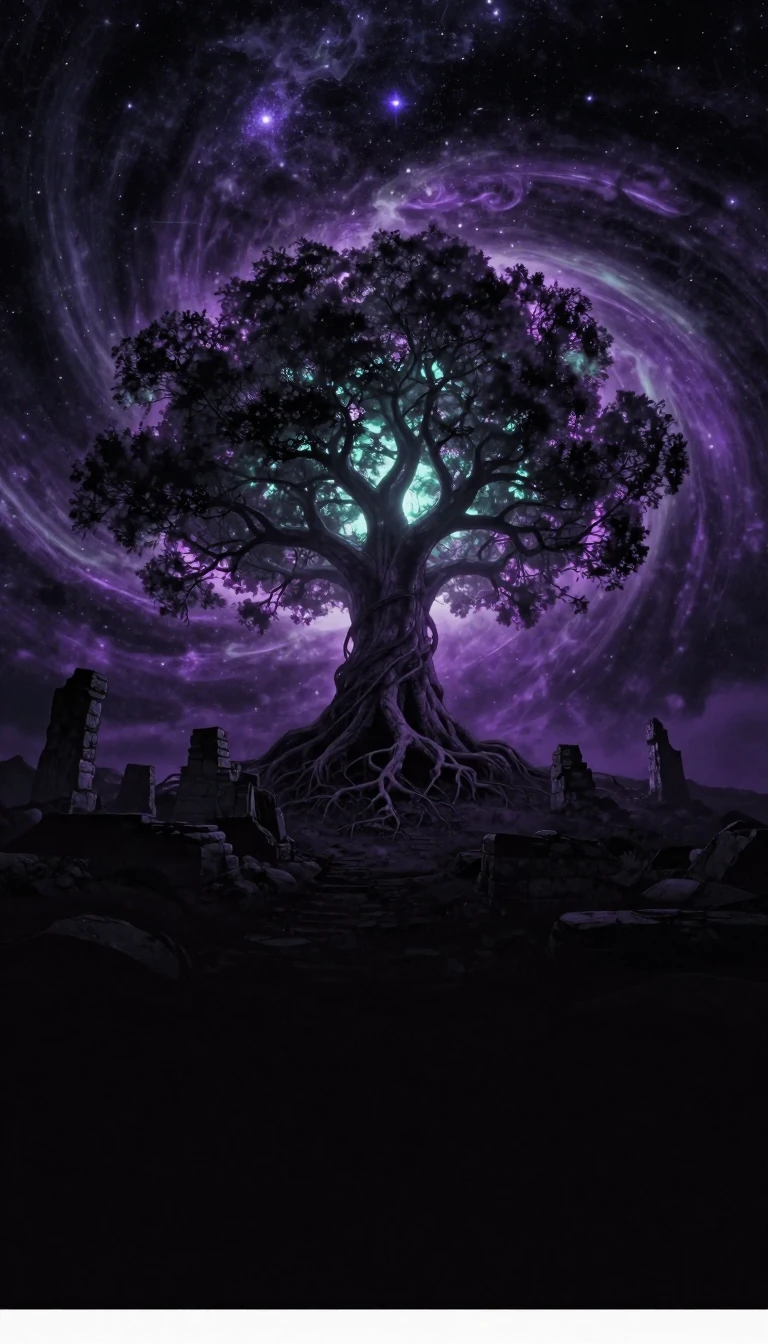
In short: The Völsunga saga is a 13th-century masterpiece of Germanic legend, tracing the rise and violent fall of a powerful royal clan. From the slaying of a dragon to a cursed ring that brings death to every owner, this epic weaves together divine intervention, betrayal, and the echoes of real historical collapse.
The Völsunga saga, preserved in a manuscript dating to about 1400, is a legendary prose narrative detailing the lineage of the Völsung clan. Its roots reach back to the Migration Period, reflecting the fifth-century destruction of the Burgundian Kingdom by the Huns. The story begins with Sigi, a son of Odin, and follows his descendants through generations of power, vengeance, and supernatural tragedy. Central to the narrative is the cursed ring Andvaranaut, which brings death to all who possess it, a motif that links the saga to the later Nibelungenlied and modern fantasy literature.
Divine influence is a constant, particularly through the periodic appearances of Odin. Often disguised as a one-eyed, hooded old man, he guides the Völsungs, grants them legendary weapons, and ultimately orchestrates their downfall. The saga’s most famous sequence involves the hero Sigurd, who slays the dragon Fáfnir—formerly a man transformed by greed—and claims the cursed hoard. Sigurd’s subsequent entanglement with the warrior Brynhild and the royal family of King Gjuki leads to a cycle of deception, murder, and revenge that consumes the entire lineage.
The saga is structured into five distinct phases, moving from the origins of the Völsungs to the final, bloody end of Guðrún’s children. It is not merely a collection of myths but a complex work that has inspired centuries of art, including Richard Wagner’s Ring cycle and the works of J.R.R. Tolkien. While the saga is often compared to the Elder Edda, its unique prose rendition offers a singular perspective on the heroic age, where the line between human ambition and divine fate is perpetually blurred by blood and magic.
Scholars continue to debate the relationship between the saga and other Germanic traditions. While once assumed to be a direct, original source, the development of these texts is now understood as a complex interplay of oral and written traditions. The saga remains a cornerstone of Norse literature, illustrating how ancient legends were adapted to explain the rise and fall of kings, the weight of ancestral curses, and the inevitable nature of heroic death.
Opens the Intellect+ feed with this card first. Swipe up for the next one.
Sources
- Summary by Intellect · source: Völsunga saga
To cite this card, link to https://intellectplus.co.uk/app/society-v-lsunga-saga.
How we source, check and correct cards: Editorial standards.
General information, not professional advice. Spotted an error? Flag the card or see corrections and complaints.
Intellect Plus is a visual educational discovery platform for exploring fascinating facts and ideas. Brain Food, Not Brain Rot. What is Intellect Plus?
Related
More in Society · Latest · A–Z · All topics
