Why the name of a Germanic tribe became synonymous with destroying art and property.
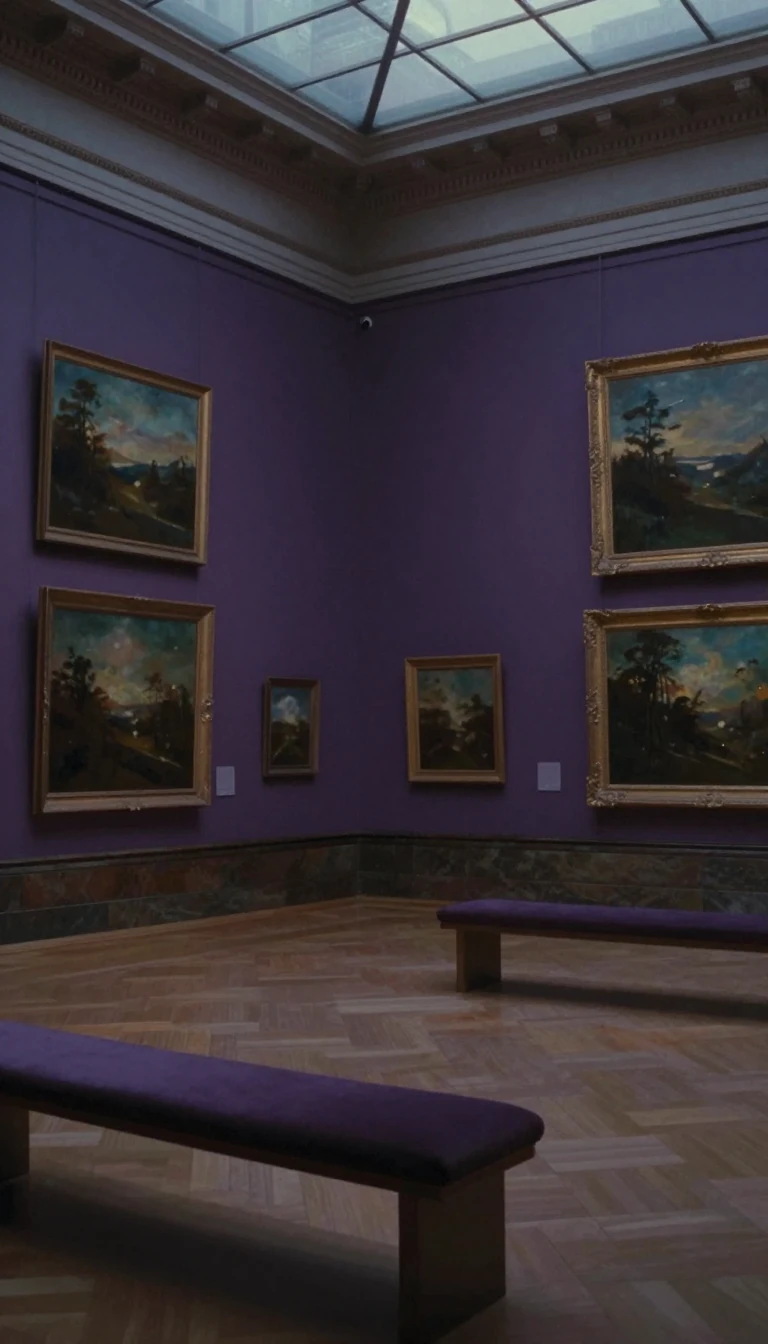
In short: Vandalism is often dismissed as senseless destruction, yet its history reveals a complex tension between creativity, political protest, and criminal law. From the Enlightenment's mischaracterization of an ancient people to modern debates over graffiti as art, the term captures a shifting struggle over who owns public space and cultural memory.
The term vandalism originates from an Enlightenment-era bias against the Vandals, a Germanic people who sacked Rome in 455 AD. While they were historically branded as uniquely destructive, modern analysis suggests they were no more aggressive than other invaders of the period. The specific association with art destruction was solidified in 1794 by Henri Grégoire, who coined the term 'vandalisme' to describe the defacement of cultural works following the French Revolution. This label effectively cemented the Vandals' reputation as barbarians, despite their specific, intentional damage to statues being a common practice of the time.
Beyond its historical roots, vandalism serves as a multifaceted tool for expression. Sociologist Stanley Cohen identified seven distinct types of vandalism, ranging from acquisitive looting and peer-status seeking to ideological acts and play. In 1871, painter Gustave Courbet famously attempted to dismantle the Vendôme column in Paris, arguing that the monument symbolized the authoritarianism of Napoleon III. This act remains a landmark case of 'artistic' vandalism, where the destruction of property was framed as a political rejection of imperial values rather than mere chaos.
Today, the legal and social definitions of vandalism remain contested. While jurisdictions like Singapore impose severe penalties—including fines and caning—others grapple with the blurred lines between crime and culture. Practices like graffiti, billboard 'liberation', and even graphic design techniques that mimic defacement challenge the legal threshold of property damage. As activists and artists continue to use property destruction to draw attention to social issues, the act remains a powerful, if illegal, method of claiming visibility in a society that often seeks to sanitize its public spaces.
Ultimately, vandalism highlights the friction between monumental history and the present. As Friedrich Nietzsche observed, the destruction of culture is often the mirror image of a culture that exploits its own people. Whether viewed as a criminal nuisance or a form of poetic terrorism, the act persists because it offers the powerless a way to exert control, seek attention, or challenge the symbols of those in authority.
Opens the Intellect+ feed with this card first. Swipe up for the next one.
Sources
- Summary by Intellect · source: Vandalism
- Also: www.legislation.gov.uk — Criminal Law (Consolidation) (Scotland) Act 1995
To cite this card, link to https://intellectplus.co.uk/app/society-vandalism.
How we source, check and correct cards: Editorial standards.
General information, not professional advice. Spotted an error? Flag the card or see corrections and complaints.
Intellect Plus is a visual educational discovery platform for exploring fascinating facts and ideas. Brain Food, Not Brain Rot. What is Intellect Plus?
Related
More in Law · More in Society · Latest · A–Z · All topics
