The Freelance Photographer Who Beat the Police to Every Crime Scene in New York
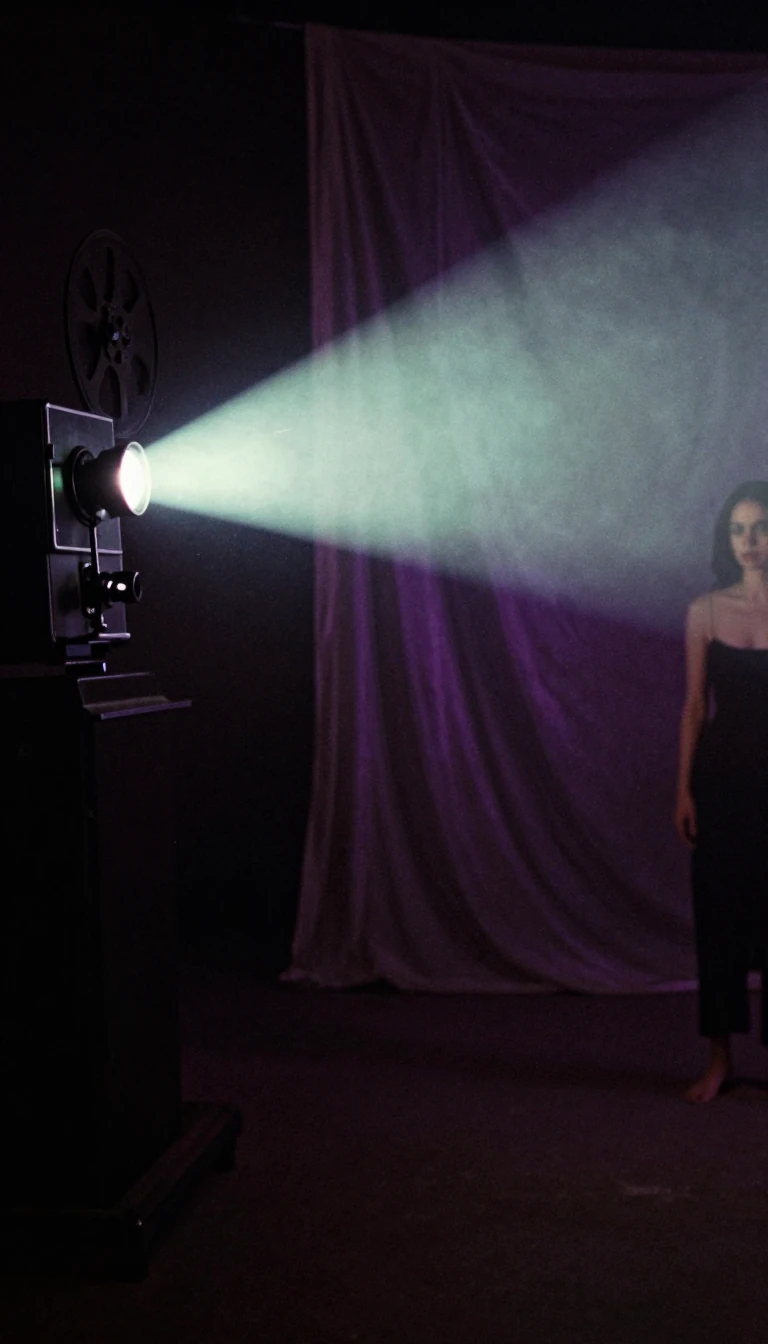
In short: Arthur Fellig, known as Weegee, transformed photojournalism by chasing police radio signals through the night. With a camera preset to ten feet and a relentless drive, he captured the raw, unflinching reality of urban life, often arriving at crime scenes before the authorities could even secure the area.
Born Ascher Fellig in 1899, the photographer immigrated to New York in 1909, eventually adopting the name Weegee. His career began in earnest in 1935 when he became a freelancer, famously claiming he created his own job by monitoring police teletypes. By 1938, he secured the only portable police-band radio permit held by a freelance photographer in the city, allowing him to anticipate emergencies and capture the stark, high-contrast images that defined his aesthetic.
Weegee’s technique relied on simplicity and speed. He typically used a 4x5 Speed Graphic camera, often set to a distance of ten feet with an aperture of f/16 to ensure a deep field of focus. While myths persist about him developing film in his car trunk, his success was rooted in his ability to identify what made a story newsworthy. He understood that while a common barroom brawl held little interest, a conflict involving wealthy socialites in a Cadillac on Park Avenue was guaranteed to sell to tabloids like the Daily News.
Though his work was celebrated for its realism, some images, such as his 1943 photograph The Critic, were later revealed to be staged. His influence extended far beyond the tabloid press; he collaborated with directors like Stanley Kubrick and inspired countless films, including The Naked City and Nightcrawler. After his death in 1968, his legacy was preserved through a massive archive donated by his companion Wilma Wilcox to the International Center of Photography, which contained thousands of his prints and negatives.
In his later years, Weegee experimented with distortion, prisms, and even nudist exploitation films, moving away from the gritty crime scenes that made him famous. His work remains a touchstone for street photography, bridging the gap between raw documentation and the spectacle of urban existence. Today, his life continues to inspire cultural projects, from museum exhibitions to fictionalized portrayals in film and television.
Opens the Intellect+ feed with this card first. Swipe up for the next one.
Sources
- Summary by Intellect · source: Weegee
To cite this card, link to https://intellectplus.co.uk/app/society-weegee.
How we source, check and correct cards: Editorial standards.
General information, not professional advice. Spotted an error? Flag the card or see corrections and complaints.
Intellect Plus is a visual educational discovery platform for exploring fascinating facts and ideas. Brain Food, Not Brain Rot. What is Intellect Plus?
Related
More in History · Latest · A–Z · All topics
