Was Japan’s legendary Prince Yamato Takeru an ancient counterpart to King Arthur?
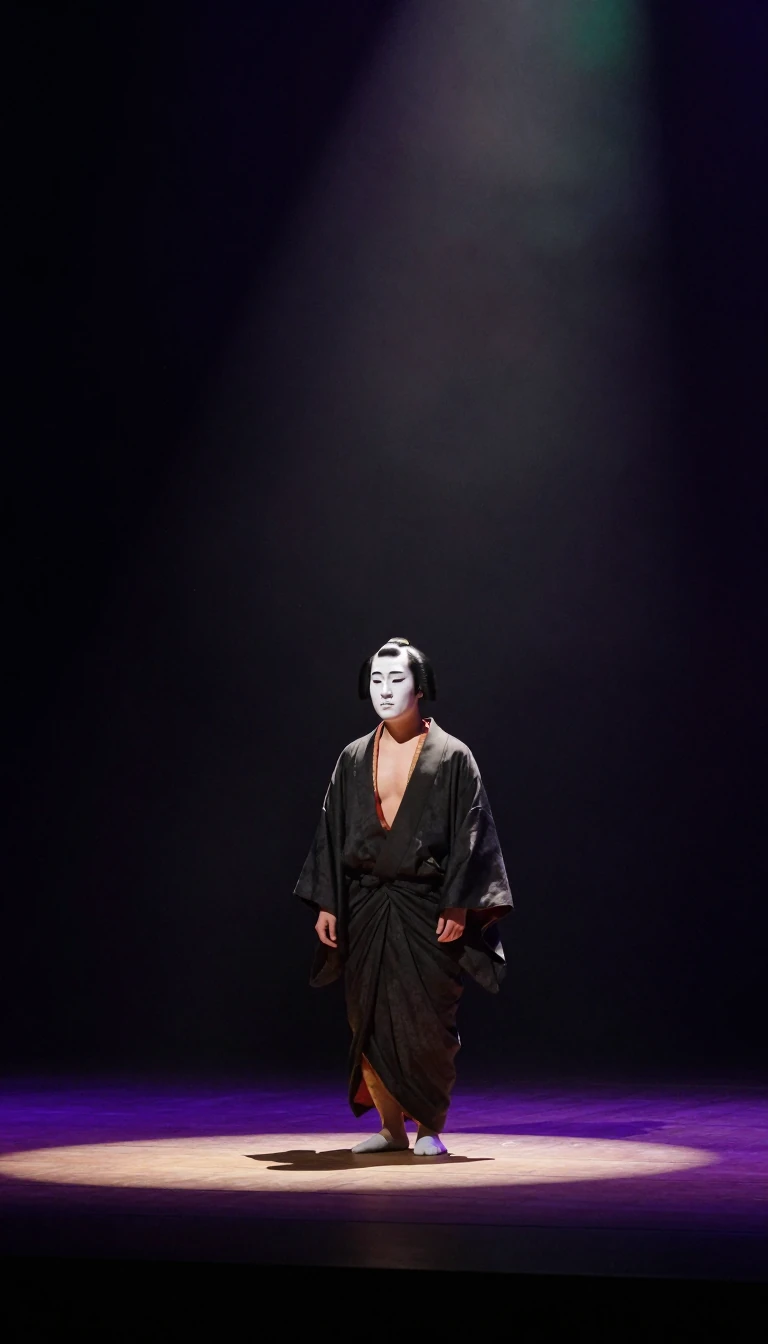
In short: A semi-legendary prince of Japan’s imperial dynasty, Yamato Takeru is a figure of mythic proportions. Known for his cross-dressing infiltration of enemy camps and his mastery of a magical, wind-controlling sword, his life story has been compared by scholars to the Arthurian legends of the West, sparking decades of academic debate.
Yamato Takeru, originally known as Prince Ousu, appears in the foundational Japanese chronicles Kojiki (712) and Nihon Shoki (720). Traditionally the son of the 12th Emperor, Keiko, his life is dated by these texts from 72 to 114. The narratives differ significantly; while the Kojiki depicts a strained relationship between father and son, the Nihon Shoki portrays them as having a harmonious bond. Regardless of the version, Takeru is defined by his military exploits, including the defeat of rebels in Kumaso and Izumo, often through cunning tactics like disguise and trickery.
Central to his legend is the sword Ame no Murakumo no tsurugi, later renamed Kusanagi no tsurugi. Gifted to him by his aunt, Princess Yamato-hime, the blade was said to have been found by the god Susanoo within the body of a great serpent. Takeru famously used the sword to manipulate the wind and escape a fire trap set by enemies in an open grassland. His eventual death, attributed to a curse from a local deity after he challenged the god of Mount Ibuki without his sword, led to his soul transforming into a white bird, a motif that persists in modern Japanese worship.
Anthropologist C. Scott Littleton famously drew parallels between Takeru and King Arthur, citing structural similarities such as the reliance on two magical swords, the leadership of a war band, and a tragic death following the surrender of a weapon to a female figure. Littleton proposed that these legends might share a common ancestral origin in the northeast Iranian region. While this theory remains contested, the figure of Yamato Takeru continues to permeate Japanese culture, appearing in everything from 1945 currency to contemporary anime, video games, and graphic novels, cementing his status as an enduring archetype of the tragic hero.
Opens the Intellect+ feed with this card first. Swipe up for the next one.
Sources
- Summary by Intellect · source: Yamato Takeru
To cite this card, link to https://intellectplus.co.uk/app/society-yamato-takeru.
How we source, check and correct cards: Editorial standards.
General information, not professional advice. Spotted an error? Flag the card or see corrections and complaints.
Intellect Plus is a visual educational discovery platform for exploring fascinating facts and ideas. Brain Food, Not Brain Rot. What is Intellect Plus?
Related
More in Ancient · More in Society · Latest · A–Z · All topics
