The 2004 Formula One season: A masterclass in dominance and technical evolution
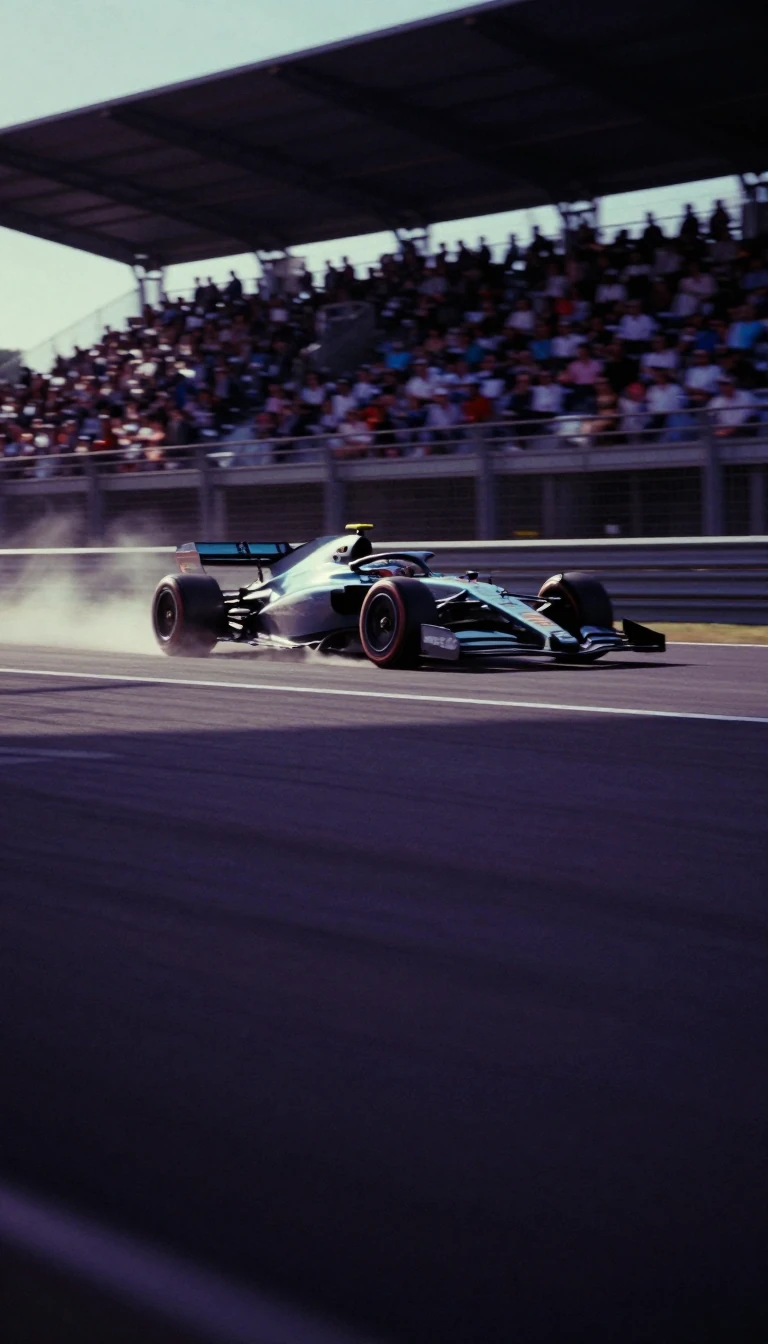
In short: The 2004 Formula One season remains a benchmark of engineering and driver supremacy. Michael Schumacher and Ferrari dismantled the field, securing historic records that stood for nearly two decades. Beyond the track, the sport underwent significant regulatory shifts, including engine longevity mandates and the banning of fully-automatic gearboxes.
The 2004 FIA Formula One World Championship was a season of unprecedented Ferrari dominance. Michael Schumacher claimed his seventh and final Drivers' Championship, while Ferrari secured their 14th Constructors' title. Schumacher’s performance was particularly historic, as he won 13 races, shattering his own previous record of 11 wins set in 2002. This benchmark remained untouched until 2013, when Sebastian Vettel equalled it, with Max Verstappen eventually surpassing it in 2022. During this campaign, Schumacher also set a record for five consecutive Drivers' titles, while Ferrari achieved six consecutive Constructors' championships.
Technically, the 2004 season marked a pivotal transition. To curb rising costs, the FIA introduced a rule requiring each engine to last an entire race weekend, with a ten-place grid penalty for any mid-weekend replacement. Furthermore, the sport banned fully-automatic gearboxes and launch control, systems that had been in use since 2001. While traction control remained legal until 2008, the 2004 regulations forced teams to adapt to a more mechanical driving experience. The pit lane speed limit was also increased to 100 km/h, though safety waivers were occasionally applied.
The calendar itself reflected the sport's global expansion, featuring new circuits in Bahrain and Shanghai. The season saw the most non-European races to that point, with eight Grands Prix held across the Americas, Asia, and Oceania. Despite the high-speed drama, the season was marked by attrition and significant driver turnover. Injuries, such as Ralf Schumacher's concussion and fractured vertebrae at the United States Grand Prix, forced teams to rely on test drivers and replacements. Meanwhile, financial pressures led to the restructuring of teams like Jaguar, which was eventually sold to Red Bull, signaling the end of Ford's direct involvement in the championship.
Opens the Intellect+ feed with this card first. Swipe up for the next one.
Sources
- Summary by Intellect · source: 2004 Formula One World Championship
To cite this card, link to https://intellectplus.co.uk/app/sport-2004-formula-one-world-championship.
How we source, check and correct cards: Editorial standards.
General information, not professional advice. Spotted an error? Flag the card or see corrections and complaints.
Intellect Plus is a visual educational discovery platform for exploring fascinating facts and ideas. Brain Food, Not Brain Rot. What is Intellect Plus?
Related
More in Motorsport · More in Sport & Games · Latest · A–Z · All topics
