How a bribery scandal and a dark horse candidate reshaped the Winter Olympics
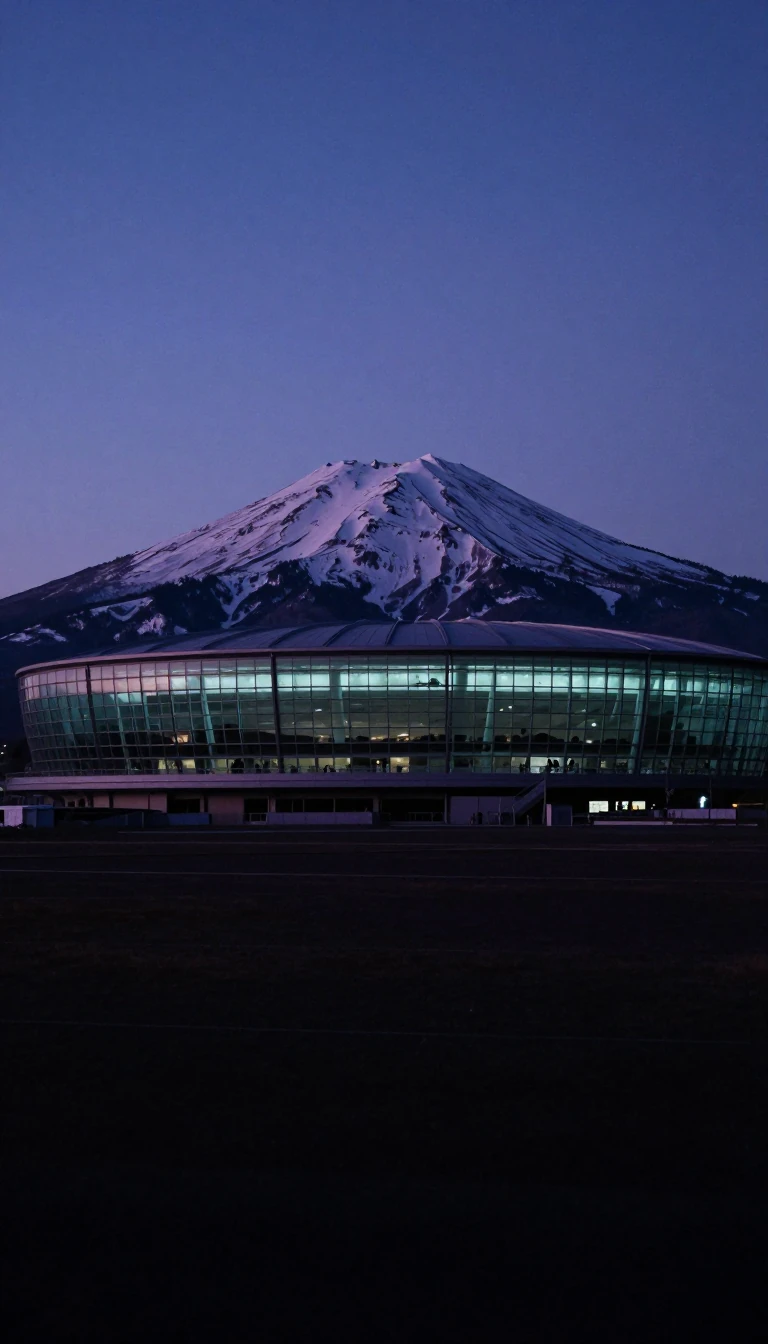
In short: Turin was an unlikely host for the 2006 Winter Games, winning a bid against the overwhelming favorite, Sion. The selection process was overhauled following intense bribery controversies, forcing the International Olympic Committee to adopt new, stricter election procedures that forever changed how host cities are chosen for the global stage.
The 2006 Winter Olympics, or Torino 2006, took place in Italy from 10 to 26 February. Turin’s path to hosting was unconventional; it was selected during the 109th IOC Session in June 1999. This decision followed a major procedural shift at the 108th Extraordinary IOC Session, which was prompted by scandals surrounding the 1998 and 2002 Winter Games. To curb bribery, the IOC banned members from visiting candidate cities and introduced a Selection College to narrow the field.
Sion, Switzerland, was widely considered the favorite, partly because the IOC is headquartered in Switzerland. However, some analysts believe Turin’s victory was a direct reaction to Swiss IOC member Marc Hodler, who had exposed the bribery scandal involving Salt Lake City’s bid for the 2002 Games. Turin, initially viewed as a dark horse, ultimately defeated Sion and four other European cities—Helsinki, Poprad-Tatry, Zakopane, and Klagenfurt—to secure the Games.
The event itself was a massive financial undertaking. The Oxford Olympics Study estimated the outturn cost of the Turin Games at US$4.4 billion in 2015-dollars, with an 80% cost overrun in real terms. While these figures are significant, they pale in comparison to the 2014 Sochi Games, which cost US$51 billion with a 289% overrun. The Turin Games featured 84 medal events across 15 disciplines, introducing new team and mass-start formats to existing sports rather than adding entirely new disciplines.
The Games were defined by both athletic triumphs and historic upsets. From the first gold awarded to German biathlete Michael Greis to the Swedish men's ice hockey team clinching gold on the final day, the competition remained fierce. The event also saw unique moments, such as Italian committee member Manuela Di Centa presenting a gold medal to her own brother, Giorgio, during the closing ceremony.
Opens the Intellect+ feed with this card first. Swipe up for the next one.
Sources
- Summary by Intellect · source: 2006 Winter Olympics
- Also: Wikidata — 2006 Winter Olympics · CC0
- Also: Wikidata — biathlon at the 2006 Winter Olympics – men's relay · CC0
To cite this card, link to https://intellectplus.co.uk/app/sport-2006-winter-olympics.
How we source, check and correct cards: Editorial standards.
General information, not professional advice. Spotted an error? Flag the card or see corrections and complaints.
Intellect Plus is a visual educational discovery platform for exploring fascinating facts and ideas. Brain Food, Not Brain Rot. What is Intellect Plus?
Related
More in History · Latest · A–Z · All topics
