Why the world's most prestigious endurance race is won by distance, not speed
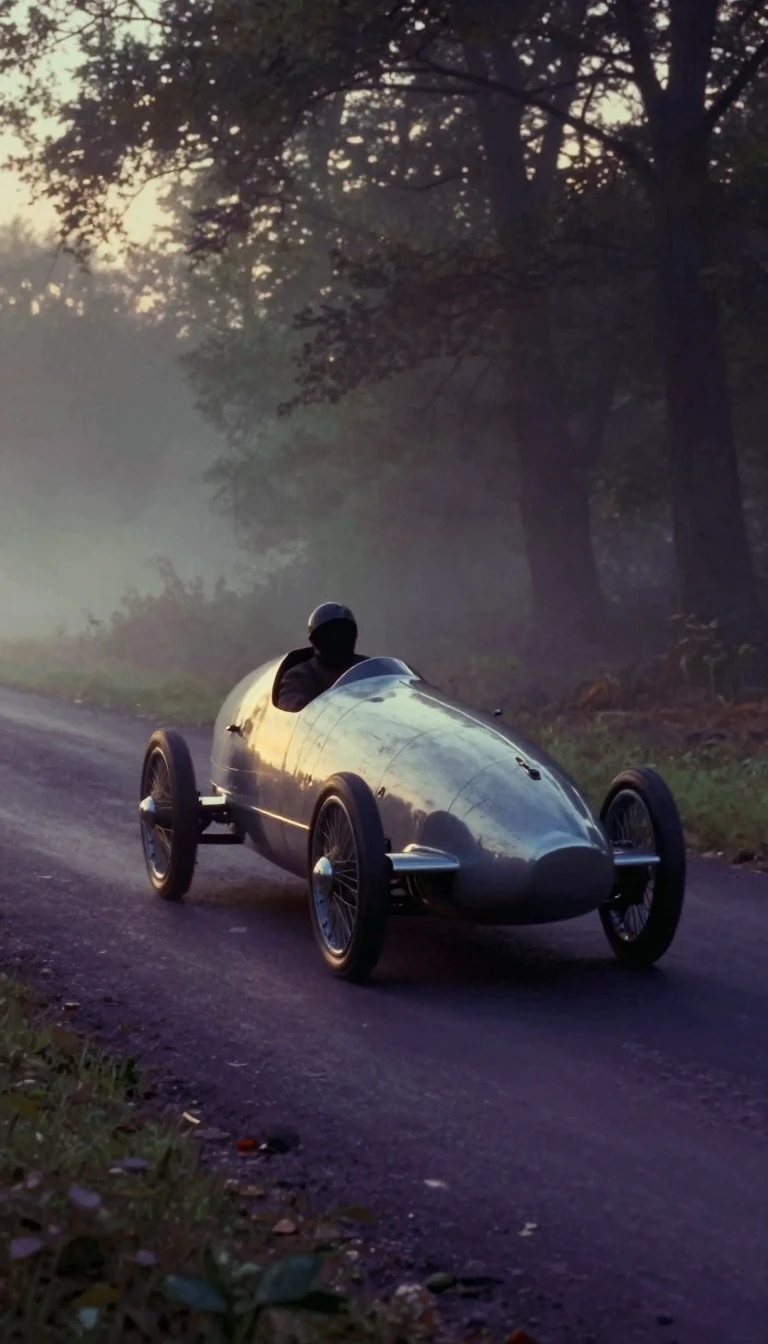
In short: Unlike standard races that reward the fastest sprint, the 24 Hours of Le Mans crowns the car that covers the most ground in a full day. It is a brutal test of mechanical reliability, fuel efficiency, and driver endurance, pushing machines to their absolute limits for 24 consecutive hours.
First held in 1923, the 24 Hours of Le Mans is the oldest active endurance race in the world. Organized by the Automobile Club de l'Ouest, the event takes place on the Circuit de la Sarthe, a track blending dedicated racing sections with public roads. Unlike Formula One, where the goal is to finish a fixed distance as quickly as possible, Le Mans is a test of longevity. The winner is the vehicle that completes the greatest distance within the 24-hour window, a challenge that has seen modern competitors cover over 5,000 kilometers.
The race was originally designed to prove that manufacturers could build reliable, fuel-efficient road cars, rather than just the fastest machines. This focus on endurance has driven significant automotive innovation, from aerodynamic stability to hybrid systems. Today, the field is divided into three classes: the top-tier Hypercars, the purpose-built LMP2 prototypes, and the production-based LMGT3 cars. These vehicles must navigate the track while managing consumables like tires, brakes, and fuel, all while adhering to strict rules—such as the requirement to switch off engines during refueling to test restart reliability.
The human element is equally demanding. Since the 1980s, regulations have mandated that three drivers share each car, with strict limits on stint lengths to combat fatigue. Drivers often race for over two hours at a time, navigating the circuit in mid-June heat or rain. The race's history is filled with unique traditions and moments, such as the 1967 victory where Dan Gurney famously sprayed champagne on the podium, a celebration that has since become a global motorsport standard.
Classification is not guaranteed simply by crossing the finish line. To be officially ranked, a car must complete the final lap and cover at least 70 percent of the distance achieved by the overall winner. This rigorous standard ensures that only the most resilient machines are recognized, cementing Le Mans' reputation as the ultimate proving ground for automotive engineering and human endurance.
Opens the Intellect+ feed with this card first. Swipe up for the next one.
Sources
- Summary by Intellect · source: 24 Hours of Le Mans
- Also: Wikidata — 24 Hours of Le Mans · CC0
- Also: Wikidata — 24 Hours of Le Mans (motorcycle race) · CC0
To cite this card, link to https://intellectplus.co.uk/app/sport-24-hours-of-le-mans.
How we source, check and correct cards: Editorial standards.
General information, not professional advice. Spotted an error? Flag the card or see corrections and complaints.
Intellect Plus is a visual educational discovery platform for exploring fascinating facts and ideas. Brain Food, Not Brain Rot. What is Intellect Plus?
Related
More in Motorsport · More in Sport & Games · Latest · A–Z · All topics
