Why February 2nd Became the Traditional Day for Blessing Candles and Predicting Winter
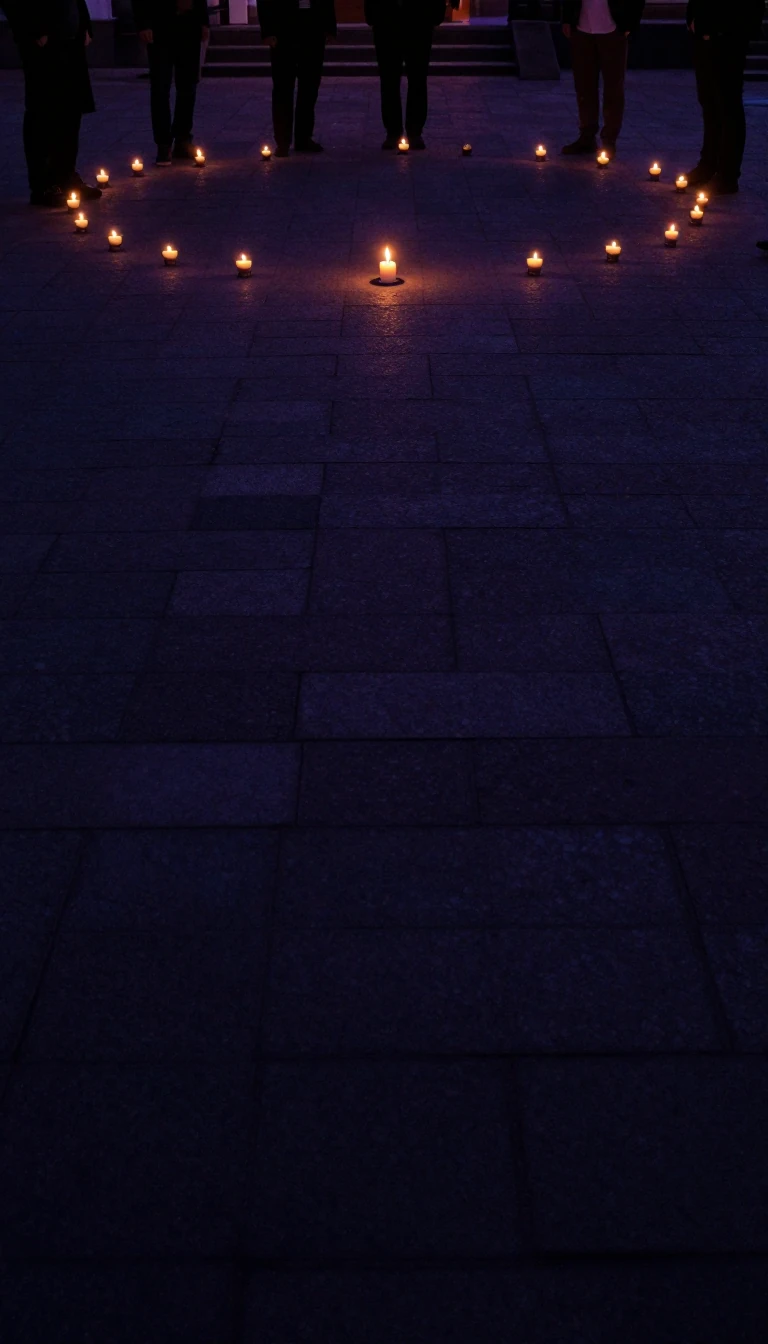
In short: Candlemas marks the presentation of Jesus at the Temple, a ritual occurring 40 days after Christmas. While its origins trace back to 4th-century Jerusalem, the festival evolved into a global tradition involving blessed candles, tamales, and even the unlikely inspiration for the modern American phenomenon of Groundhog Day.
The festival of Candlemas commemorates the moment Mary and Joseph brought the infant Jesus to the Temple in Jerusalem to fulfill purification requirements. According to the Gospel of Luke, this event occurred 40 days after his birth. Early records from the 4th century, such as those by the pilgrim Etheria, describe the celebration in Jerusalem, where it was originally observed on February 14, 40 days after the local celebration of the Nativity on January 6.
The date shifted to February 2 following a decree by Justinian I in 542, aligning the event with the Western calendar's Christmas. By the mid-5th century, the custom of using lighted candles became central to the observance, eventually giving the day its common name. In Rome, Pope Sergius I formally instituted the festival between 687 and 701. While historically a celebration of the Virgin Mary in the West, the 1969 calendar reform shifted the focus toward the Presentation of the Lord.
Beyond its liturgical significance, Candlemas has inspired diverse cultural practices. In Mexico, families gather to share tamales, while in the Canary Islands, the festival is tied to the discovery of an image of the Virgin Mary by Guanche shepherds around 1400. Perhaps most surprisingly, the German folk belief that a sunny Candlemas predicts a 'second winter'—often involving a hedgehog casting a shadow—traveled with settlers to Pennsylvania, directly influencing the American tradition of Groundhog Day.
Despite popular theories, the festival is not a direct replacement for the ancient Roman Lupercalia. Historians note that Lupercalia was never celebrated in Jerusalem, where the Christian feast originated. Furthermore, Pope Gelasius I, who famously opposed the revival of Lupercalia in the late 5th century, showed no historical intent to substitute it with a Christian feast. Today, the day remains a significant moment for many, including the Catholic Church, which designated it as the World Day of Prayer for Consecrated Life in 1997.
Opens the Intellect+ feed with this card first. Swipe up for the next one.
Sources
- Summary by Intellect · source: Candlemas | Definition, Mary, Jesus, Traditions, & History | Britannica
- Also: Candlemas
To cite this card, link to https://intellectplus.co.uk/app/sport-candlemas.
How we source, check and correct cards: Editorial standards.
General information, not professional advice. Spotted an error? Flag the card or see corrections and complaints.
Intellect Plus is a visual educational discovery platform for exploring fascinating facts and ideas. Brain Food, Not Brain Rot. What is Intellect Plus?
Related
More in Cricket · More in Sport & Games · Latest · A–Z · All topics
