Why the Circuit de Barcelona-Catalunya is a high-stakes laboratory for modern racing aerodynamics
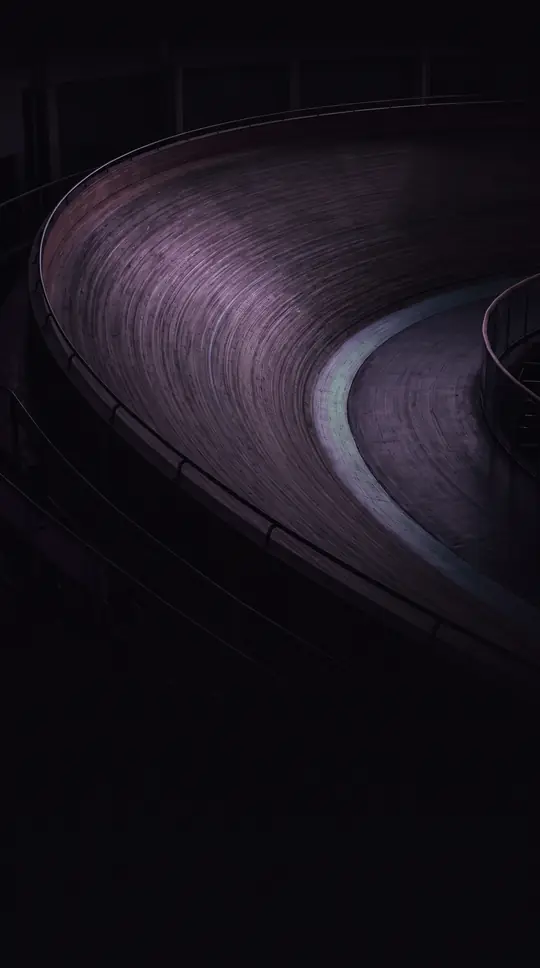
In short: Built for the 1992 Olympics, this 4.657 km track in Montmeló has become a defining test of motorsport engineering. Its sensitivity to shifting winds and complex aerodynamic demands makes it a notoriously difficult circuit to master, where a perfect setup in the morning can become a liability by the afternoon.
The Circuit de Barcelona-Catalunya, established in 1991, is a cornerstone of international racing. While it is famous for hosting the Spanish Grand Prix, its design presents a unique challenge for engineers. The track is exceptionally demanding of aerodynamic efficiency, a factor exacerbated by the circuit's tendency for wind direction to shift dramatically throughout the day. This volatility forces teams to navigate a narrow window of performance; a car setup that generates optimal downforce during morning testing may suffer from severe understeer or oversteer as conditions evolve, leading to unpredictable results on race day.
The track's layout has undergone numerous modifications to balance safety with competitive racing. Originally designed as an all-rounder, the circuit features a mix of high-speed corners and heavy braking zones. However, the reliance on aerodynamic performance created a paradox: as cars became more sensitive to the turbulent air generated by a leading vehicle, the ability to follow closely and overtake diminished. This led to various layout tweaks, including the addition and eventual removal of a slow chicane at the final corner, intended to improve passing opportunities while maintaining safety standards for both Formula One and MotoGP riders.
Beyond its technical reputation, the circuit has been the site of historic milestones. It witnessed Max Verstappen’s breakthrough victory in 2016, where he became the youngest winner in Formula One history, and served as the backdrop for intense rivalries, such as the 1991 duel between Ayrton Senna and Nigel Mansell. Today, the track remains a hub for innovation, holding a 3-star FIA Environmental Accreditation and ranking among the world's most sustainable racing venues. As Formula One transitions its Spanish Grand Prix to a new location in 2026, the circuit continues to host a diverse calendar of endurance, touring, and motorcycle events, cementing its legacy as a vital, evolving arena for global motorsport.
Opens the Intellect+ feed with this card first. Swipe up for the next one.
Sources
- Summary by Intellect · source: Circuit de Barcelona-Catalunya
To cite this card, link to https://intellectplus.co.uk/app/sport-circuit-de-barcelona-catalunya.
How we source, check and correct cards: Editorial standards.
General information, not professional advice. Spotted an error? Flag the card or see corrections and complaints.
Intellect Plus is a visual educational discovery platform for exploring fascinating facts and ideas. Brain Food, Not Brain Rot. What is Intellect Plus?
Related
More in Motorsport · More in Sport & Games · Latest · A–Z · All topics
