From ancient transport to modern sport, the evolution of cross-country skiing is remarkable.
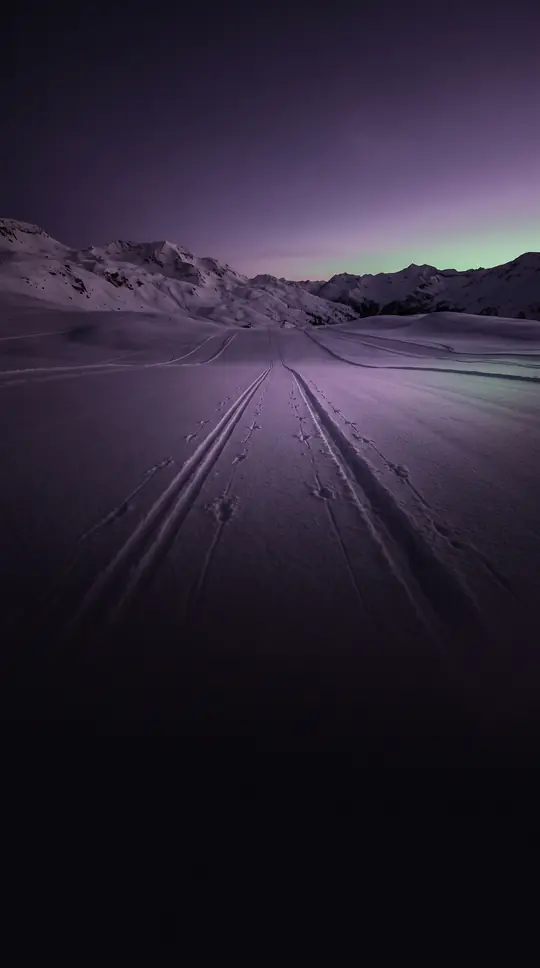
In short: Long before it became a competitive winter sport, cross-country skiing was a vital, utilitarian method for traversing snow-covered landscapes. From its origins in Scandinavia five millennia ago to the specialized skate-skiing techniques of today, this discipline has transformed from a survival necessity into a sophisticated global athletic pursuit.
The roots of cross-country skiing are ancient, with evidence suggesting it began in Scandinavia roughly 5,000 years ago. Early historical records, such as Procopius’s 6th-century description of the Sami people as 'ski running samis,' highlight its deep cultural integration. By the 13th century, the Danish historian Saxo Grammaticus documented the use of ski-equipped troops in warfare, noting their ability to match the speed of light cavalry. This military utility persisted for centuries, with specialized skiing battalions appearing in the Danish-Norwegian army by 1747.
Technological evolution has been central to the sport's development. Historically, skiers utilized varied equipment, such as the 'andor' and 'langski'—a pair of skis of unequal lengths used for a scooter-like motion. Today, the sport is defined by two primary propulsion techniques: the classic style, which relies on a grip zone underfoot for traction in tracks or virgin snow, and the skate-skiing style, which emerged in the 20th century and gained widespread adoption in the 1980s. Skate skiing, which mimics the motion of ice skating, requires firm, groomed surfaces to maximize speed.
Modern cross-country skiing is highly specialized, with equipment tailored to specific terrains and performance levels. Skis are designed with precise attributes—such as camber, side-cut, and length—to optimize maneuverability and glide. In competitive arenas, athletes must navigate complex rules set by the International Ski and Snowboard Federation, including strict regulations on materials like fluorinated waxes, which were banned in FIS-sanctioned events starting in the 2021–2022 season. Whether practiced as a recreational tour or a high-speed marathon, the sport continues to bridge the gap between human endurance and the natural environment.
Opens the Intellect+ feed with this card first. Swipe up for the next one.
Sources
- Summary by Intellect · source: Cross-country skiing
- Also: Wikidata — cross-country skiing · CC0
- Also: Wikidata — cross-country skiing at the 2020 Winter Youth Olympics · CC0
To cite this card, link to https://intellectplus.co.uk/app/sport-cross-country-skiing.
How we source, check and correct cards: Editorial standards.
General information, not professional advice. Spotted an error? Flag the card or see corrections and complaints.
Intellect Plus is a visual educational discovery platform for exploring fascinating facts and ideas. Brain Food, Not Brain Rot. What is Intellect Plus?
Related
More in Sports · More in Sport & Games · Latest · A–Z · All topics
