Why your childhood Matchbox car was actually a marvel of industrial engineering
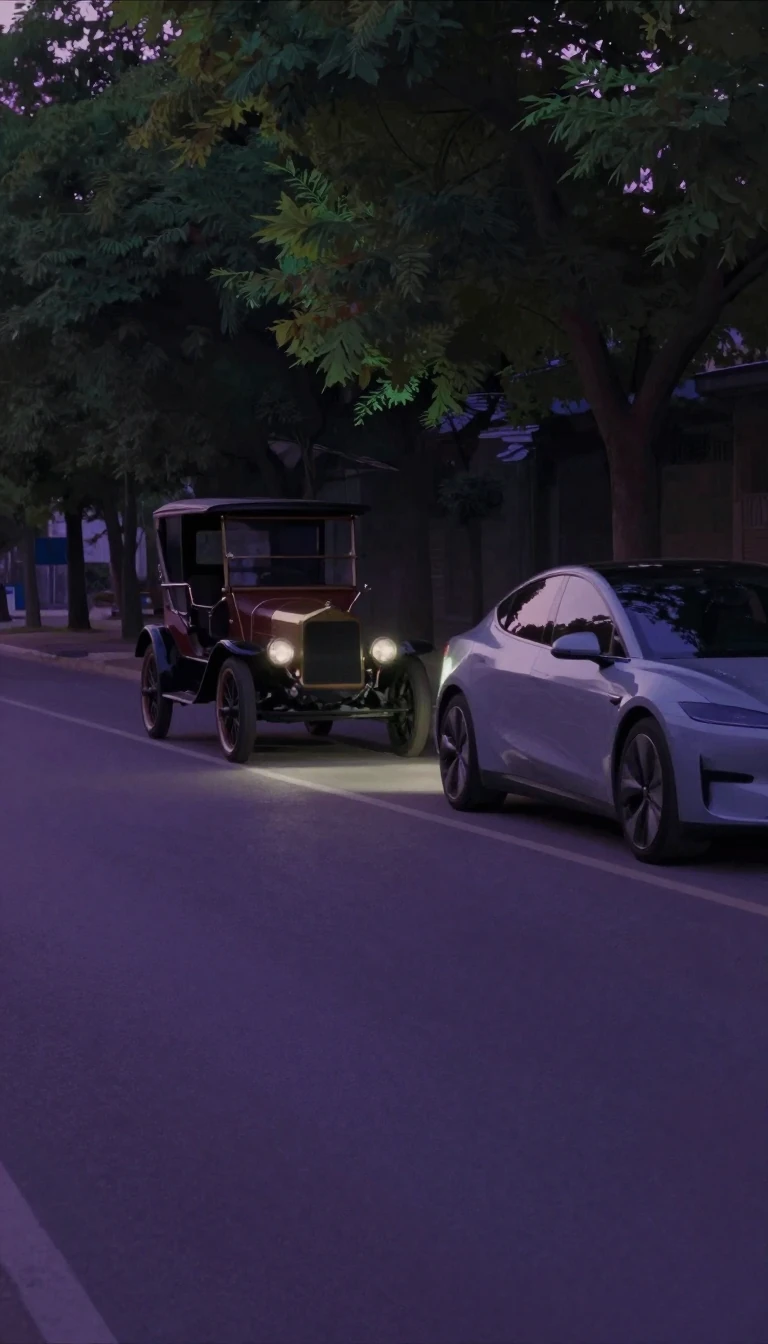
In short: Die-cast toys are more than just playthings; they are precision-engineered models born from molten metal. From the early days of fragile lead alloys to the high-purity zamak of modern collectibles, these miniature vehicles have evolved into a global industry that bridges the gap between simple toys and serious adult investment.
The process of die-casting involves injecting molten metal—typically zamak, an alloy of zinc, aluminum, and copper—into a mold to create intricate shapes. Early manufacturers like Meccano in the UK and Dowst Brothers in the US pioneered the field in the early 20th century. However, these early models were often plagued by 'zinc pest,' a chemical deterioration caused by impurities like lead or iron that could cause the metal to crumble. It was not until the development of high-purity zamak that the industry truly stabilized.
The mid-century era transformed the market. In 1956, Corgi Toys introduced interiors and windows, while Mattel’s 1968 launch of Hot Wheels revolutionized the industry with low-friction axles that made the cars remarkably fast. By the 1980s, the market shifted significantly. Economic pressures in the UK led to the bankruptcy of giants like Matchbox and Dinky, forcing production to move to the Far East. Simultaneously, a new trend emerged: adults began collecting these models, leading to a surge in highly detailed, scale-accurate vehicles.
Today, die-cast models are defined by their scale, which often dictates their target audience. While smaller scales like 1:64 are popular for their affordability and playability, larger scales like 1:12 and 1:18 are marketed primarily to adult collectors who value extreme detail. Companies like Oxford Diecast have successfully navigated this landscape by aligning their products with model railway scales, such as 1:76 and 1:148, turning what were once simple accessories into standalone collectibles. This evolution from basic toy to sophisticated model reflects a broader shift in how we value miniature craftsmanship.
Opens the Intellect+ feed with this card first. Swipe up for the next one.
Sources
- Summary by Intellect · source: Die-cast toy
- Also: Wikidata — die-cast toy · CC0
To cite this card, link to https://intellectplus.co.uk/app/sport-die-cast-toy.
How we source, check and correct cards: Editorial standards.
General information, not professional advice. Spotted an error? Flag the card or see corrections and complaints.
Intellect Plus is a visual educational discovery platform for exploring fascinating facts and ideas. Brain Food, Not Brain Rot. What is Intellect Plus?
Related
More in Entertainment · More in Sport & Games · Latest · A–Z · All topics
