Dressage is the highest expression of horse training, where athleticism meets absolute, silent precision.
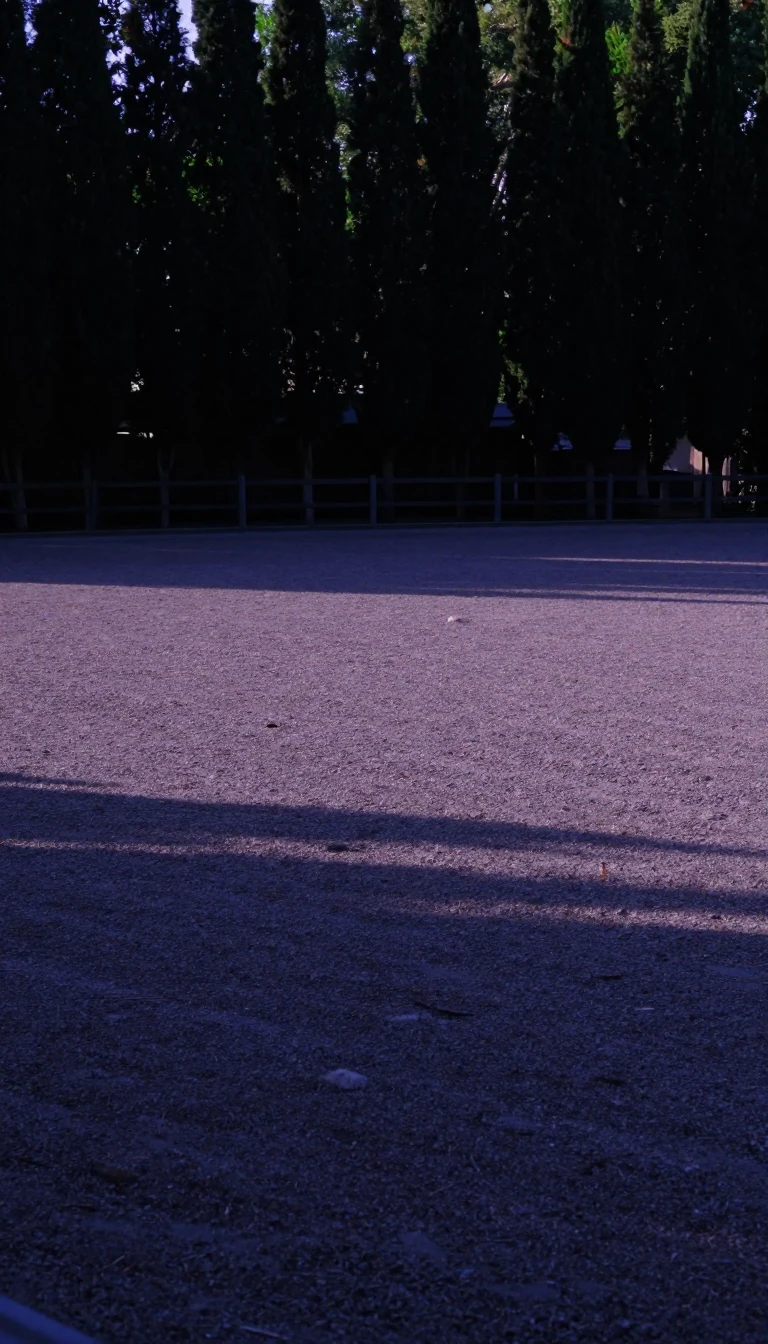
In short: Often misunderstood as mere prancing, dressage is a rigorous equestrian discipline rooted in ancient history. It demands a seamless partnership between horse and rider, where minimal, invisible aids guide the animal through complex, memorized movements. It is a pursuit of gymnastic perfection, where the horse appears to perform entirely of its own volition.
At its core, dressage is the systematic development of a horse's natural athletic ability. While its origins trace back to the writings of Xenophon, modern competitive dressage was heavily influenced by the 1550 publication of Federico Grisone’s The Rules of Riding. Today, the sport is governed by the Fédération Équestre Internationale (FEI), which oversees the progression from basic gaits to the highly complex Grand Prix level. This progression is often guided by a training scale—a pyramid of six steps starting with rhythm and regularity and culminating in collection.
Competition involves performing a series of prescribed movements within a standard arena, marked by specific letters. Judges evaluate these movements on a scale of zero to ten, with half-marks introduced in 2011. At the Olympic level, a panel of seven judges assesses the horse and rider from different angles to ensure accuracy. The process is highly technical; for instance, a Grand Prix test might include the piaffe—a trot in place—or the pirouette, a 360-degree turn performed at the canter. These movements require immense strength and balance, shifting the horse's weight to its hindquarters to prevent long-term wear on the locomotor apparatus.
Beyond the technical requirements, dressage is also an art form. Institutions like the Spanish Riding School in Vienna and the Cadre Noir in Saumur preserve classical traditions that date back centuries. In modern competition, the pinnacle is the Grand Prix Freestyle to Music, or Kür, where riders choreograph movements to a musical score. Here, judges award both technical and artistic marks, with the latter serving as the tie-breaker. Whether practiced as a competitive sport or a classical art, the goal remains the same: a horse that responds to the lightest touch, moving with grace and total willingness.
Opens the Intellect+ feed with this card first. Swipe up for the next one.
Sources
- Summary by Intellect · source: Dressage
- Also: Wikidata — dressage · CC0
- Also: Wikidata — dressage rider · CC0
To cite this card, link to https://intellectplus.co.uk/app/sport-dressage.
How we source, check and correct cards: Editorial standards.
General information, not professional advice. Spotted an error? Flag the card or see corrections and complaints.
Intellect Plus is a visual educational discovery platform for exploring fascinating facts and ideas. Brain Food, Not Brain Rot. What is Intellect Plus?
Related
More in Sports and recreation · More in Sport & Games · Latest · A–Z · All topics
