The Ferrari F40 was a raw, analog masterpiece born from a racing dream
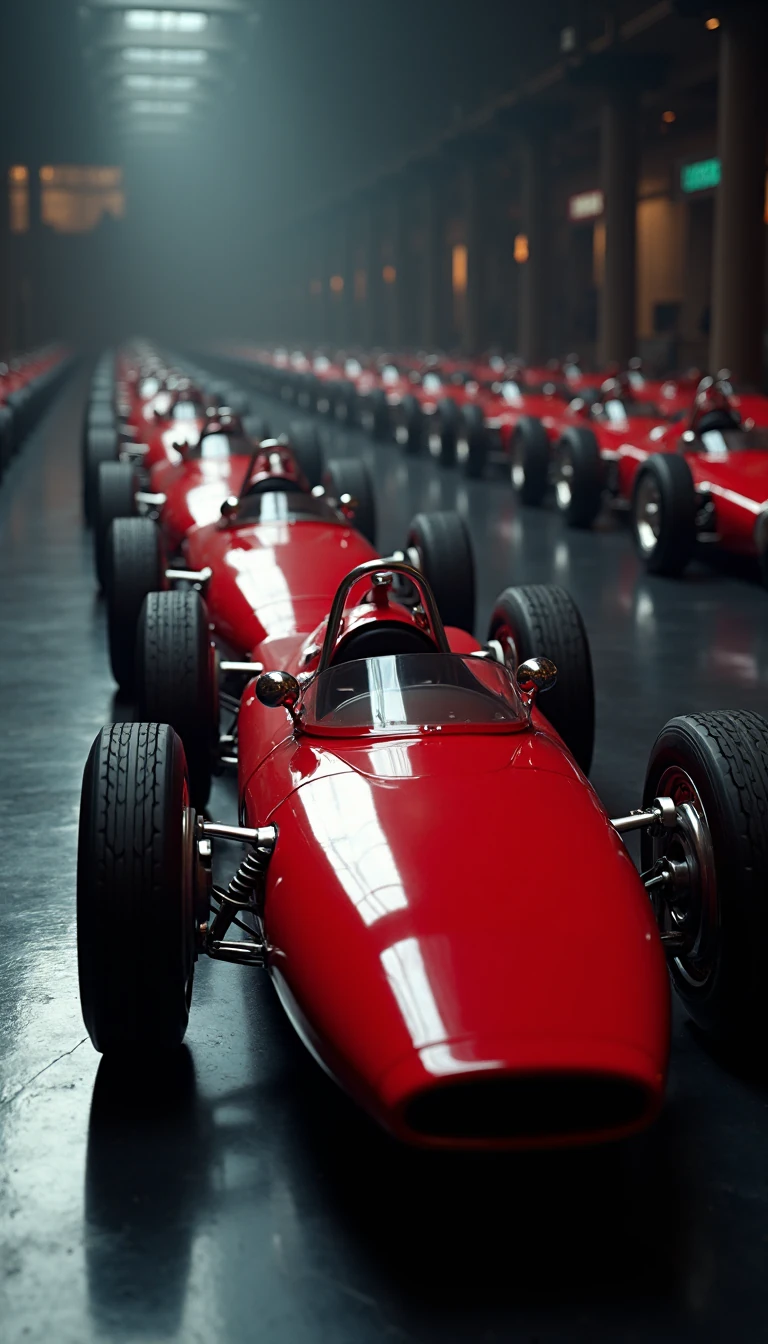
In short: Designed to celebrate Ferrari's 40th anniversary, the F40 was the final car personally approved by Enzo Ferrari. While critics dismissed it as a cynical, spartan money-making exercise for speculators, enthusiasts hailed it as the ultimate driving experience. It remains a visceral, edgy icon that defies modern safety and comfort standards.
Conceived by engineer Nicola Materazzi in 1984, the F40 project emerged from a desire to push performance boundaries beyond what was safe for regular road use. Because Enzo Ferrari lacked control over production, the team worked on the GTO Evoluzione prototype on weekends. When the FIA cancelled the Group B racing category in 1986, Ferrari pivoted the project into a road-going supercar. Development was remarkably fast, spanning just thirteen months from the June 1986 project inception to its July 1987 unveiling in Maranello.
The F40 was a study in extreme simplicity. To minimize weight, the body featured panels of Kevlar, carbon fibre, and aluminium, while the interior lacked door handles, carpets, and sound systems. Power came from a 2.9-litre twin-turbocharged V8 engine producing 478 PS. Despite its performance, the car faced harsh criticism for its chassis, which Gordon Murray famously compared to 1950s twin-tube technology. Journalists often found it clunky, noisy, and physically demanding, with poor rear visibility and a harsh ride that made it unsuitable for daily driving.
Market dynamics also defined the F40's legacy. Launched with a price of approximately US$400,000, it became a target for speculators who anticipated rising values following Enzo Ferrari's death. By 1989, prices had soared to seven times the original list price. While some testers preferred the more technologically advanced Porsche 959, the F40's raw, analog nature secured its status as a legend. It was never the world's fastest car, yet its balance and direct connection to the driver remain unmatched by modern, safety-regulated vehicles.
Beyond the road car, the F40 saw limited but notable competition. Variants like the F40 LM and GTE were developed for series like the BPR Global GT, with Michelotto handling the specialized conversions. While the car struggled with reliability and faced stiff competition from the McLaren F1 GTR, it achieved victories at events like the 4 Hours of Anderstorp. Today, the F40 is celebrated not for its perfection, but for being a brutal, ballistic, and truly special machine that will never be replicated.
Opens the Intellect+ feed with this card first. Swipe up for the next one.
Sources
- Summary by Intellect · source: Ferrari F40
- Also: Wikidata — Ferrari F40 · CC0
- Also: Wikidata — Ferrari F40 LM · CC0
To cite this card, link to https://intellectplus.co.uk/app/sport-ferrari-f40.
How we source, check and correct cards: Editorial standards.
General information, not professional advice. Spotted an error? Flag the card or see corrections and complaints.
Intellect Plus is a visual educational discovery platform for exploring fascinating facts and ideas. Brain Food, Not Brain Rot. What is Intellect Plus?
