How a tiny, rear-engined city car became the defining cultural icon of communist Poland.
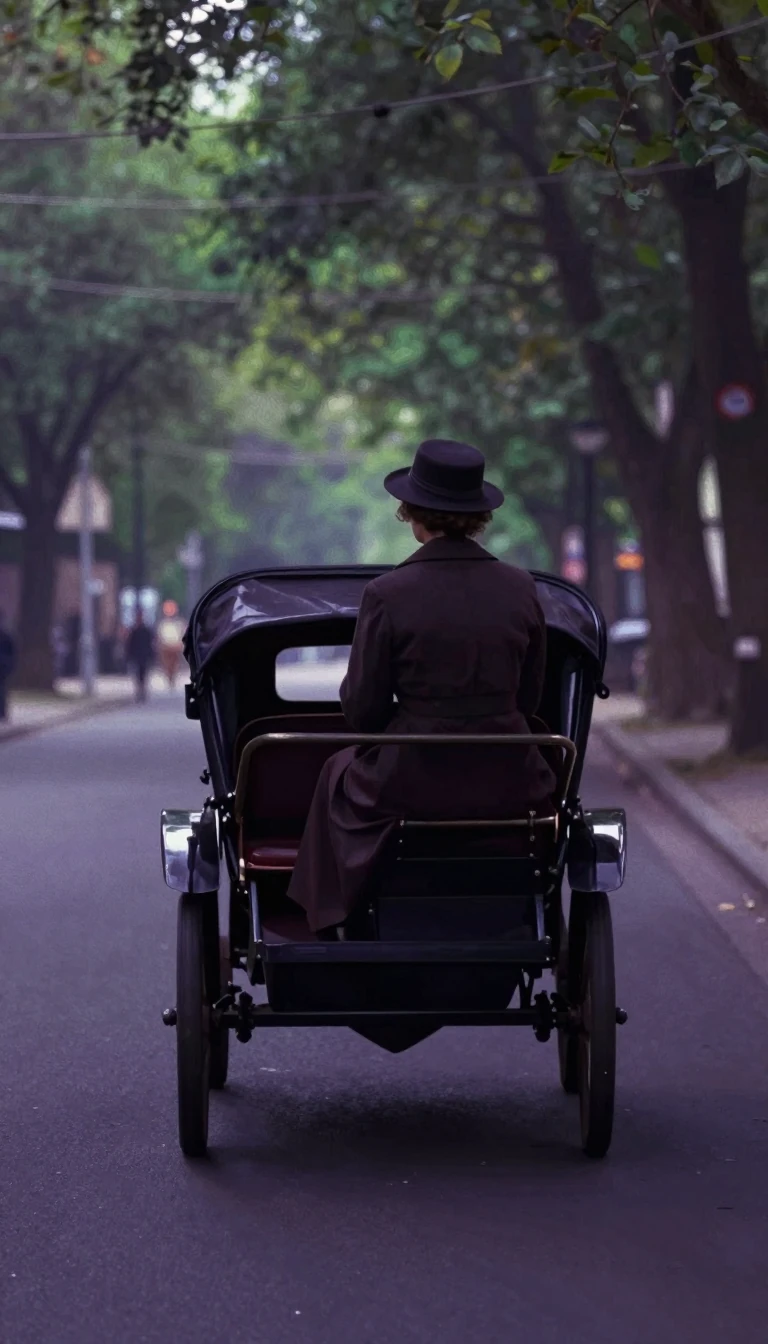
In short: The Fiat 126 was a modest city car that transformed into a national symbol. Known affectionately as the Maluch, or toddler, this rear-engined machine provided mobility for millions of families in Poland, serving as a rare, affordable luxury during an era of strict state-planned economics and long waiting lists.
Introduced at the 1972 Turin Auto Show, the Fiat 126 was designed to replace the aging Fiat 500. While it shared much of its mechanical layout and wheelbase with its predecessor, the 126 featured a revised bodyshell by Sergio Sartorelli. By shifting the starter motor, engineers gained enough space to move the rear seat back by 10 centimeters, providing essential extra room for a vehicle that often served as a primary family car.
In Poland, the car’s impact was profound. Manufactured under license as the Polski Fiat 126p, it became the centerpiece of Edward Gierek’s consumer-focused policies after he rose to power in the Polish People's Republic. Because the Polish złoty was not convertible to Western currency and private car ownership was a luxury, the 126p was the only realistic option for most families. Demand was so high that buyers often faced multi-year waiting lists, and the government occasionally distributed purchase coupons based on political merit or personal relationships.
The 126p was continuously refined throughout its long production run, which lasted until 2000. Modifications included the 1984 facelift, the introduction of the water-cooled 126 BIS model in 1987, and the eventual adoption of parts from the Fiat Cinquecento. Despite its technical limitations—such as a small engine that earned it the nickname 'Kaszlak' or 'cougher'—the car’s cultural status was cemented in 1997 when the manufacturer officially adopted the popular name 'Maluch'. With over 3.3 million units produced in Poland alone, it remains one of the most significant vehicles in the country's history.
While the rear-engine layout eventually became obsolete in Western Europe due to advancements in front-wheel drive packaging, the 126 maintained a global footprint. It was exported to Eastern Bloc nations, found a market in China as a taxi and private vehicle, and even served as Australia's cheapest car for a time. Today, it is remembered not just as a piece of automotive engineering, but as a testament to the ingenuity required to keep a nation moving under a planned economy.
Opens the Intellect+ feed with this card first. Swipe up for the next one.
Sources
- Summary by Intellect · source: Fiat 126
- Also: Wikidata — Fiat 126 · CC0
To cite this card, link to https://intellectplus.co.uk/app/sport-fiat-126.
How we source, check and correct cards: Editorial standards.
General information, not professional advice. Spotted an error? Flag the card or see corrections and complaints.
Intellect Plus is a visual educational discovery platform for exploring fascinating facts and ideas. Brain Food, Not Brain Rot. What is Intellect Plus?
Related
More in Motorsport · More in Sport & Games · Latest · A–Z · All topics
