Why the French Open remains the most physically demanding test in professional tennis
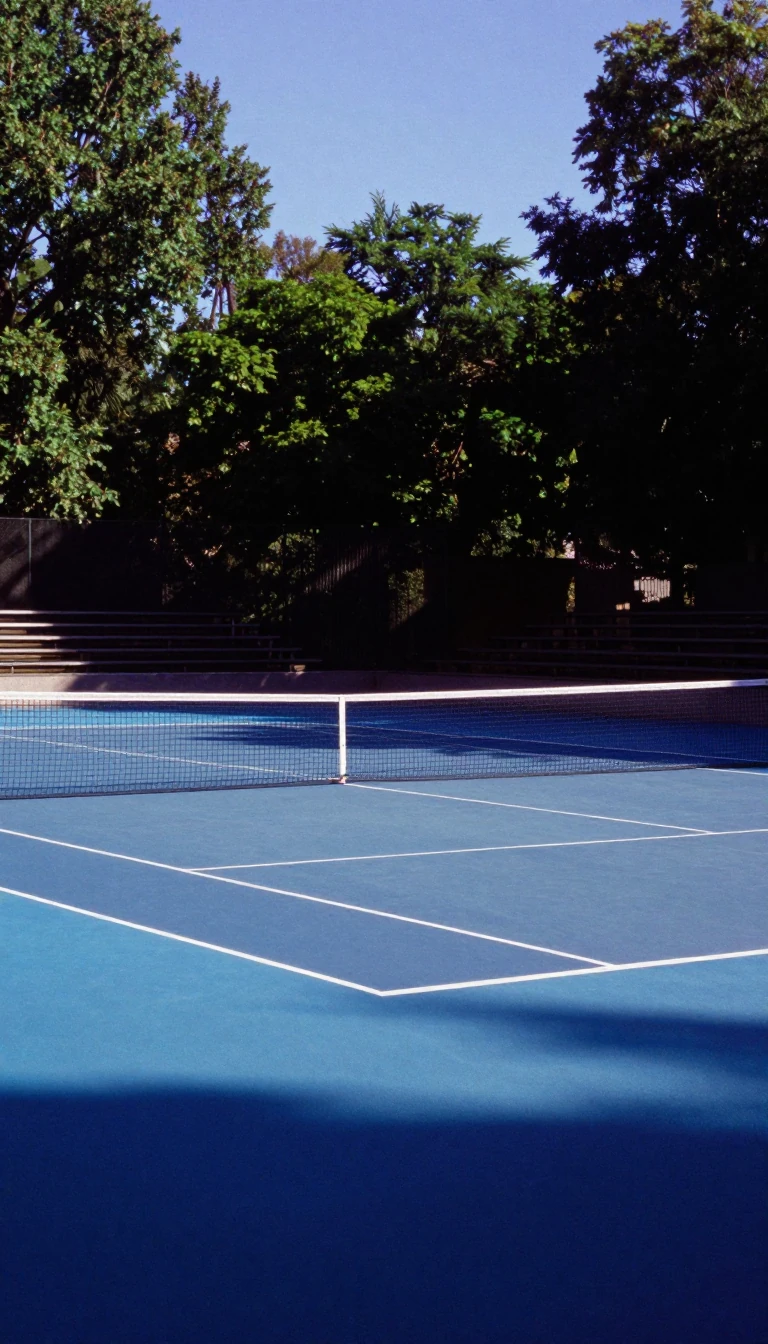
In short: As the only Grand Slam played on red clay, the French Open forces players into grueling, high-bounce rallies that neutralize big servers. This unique surface, combined with the requirement for men to win seven best-of-five set matches, creates a physical endurance challenge unmatched by any other major tournament in the world.
Established in 1891, the tournament—officially the Internationaux de France de Tennis—began as a members-only event for French clubs. It evolved significantly in 1925 when it opened to international amateurs, and again in 1968, when it became the first Grand Slam to allow professionals. Since 1928, the event has been held at the Stade Roland Garros in Paris, named after the French aviation pioneer and fighter pilot.
The tournament's defining feature is its red clay surface. Unlike grass or hard courts, clay reduces ball speed while causing it to bounce significantly higher. This surface demands exceptional versatility and stamina, often frustrating players who rely on powerful serves. Legends like Pete Sampras, John McEnroe, and Boris Becker never secured a title here, while others have proven their mastery by winning both the French Open and the faster-paced Wimbledon. The venue itself has undergone massive modernization, including the 2020 addition of a retractable roof over Court Philippe-Chatrier and the installation of floodlights to facilitate night matches.
Tradition remains deeply embedded in the tournament's identity. Winners are awarded pure silver trophies crafted by the Parisian jewelry house Mellerio dits Meller, including the 14 kg Coupe des Mousquetaires for men and the Coupe Suzanne Lenglen for women. Unlike other Grand Slams that have moved toward automated line-calling technology, the French Open continues to rely on human line judges. Players can only challenge calls by requesting that the chair umpire inspect the physical ball mark left in the clay, a method necessitated by the surface's unique characteristics.
The tournament's prestige was recently highlighted by the 2025 retirement ceremony for 14-time champion Rafael Nadal. Held on Court Philippe Chatrier, the event featured a permanent commemorative plaque embedded in the clay, featuring a replica of his footprint. As the sport evolves, the French Open maintains its status as a distinct, physically punishing bastion of tennis history, balancing modern broadcasting deals and infrastructure upgrades with the stubborn, traditional nature of its iconic red dust.
Opens the Intellect+ feed with this card first. Swipe up for the next one.
Sources
- Summary by Intellect · source: French Open
- Also: Wikidata — French Open Badminton Championships · CC0
- Also: Wikidata — French Open · CC0
To cite this card, link to https://intellectplus.co.uk/app/sport-french-open.
How we source, check and correct cards: Editorial standards.
General information, not professional advice. Spotted an error? Flag the card or see corrections and complaints.
Intellect Plus is a visual educational discovery platform for exploring fascinating facts and ideas. Brain Food, Not Brain Rot. What is Intellect Plus?
Related
More in Sports · More in Sport & Games · Latest · A–Z · All topics
