Why horror games are the only genre defined by narrative rather than gameplay mechanics
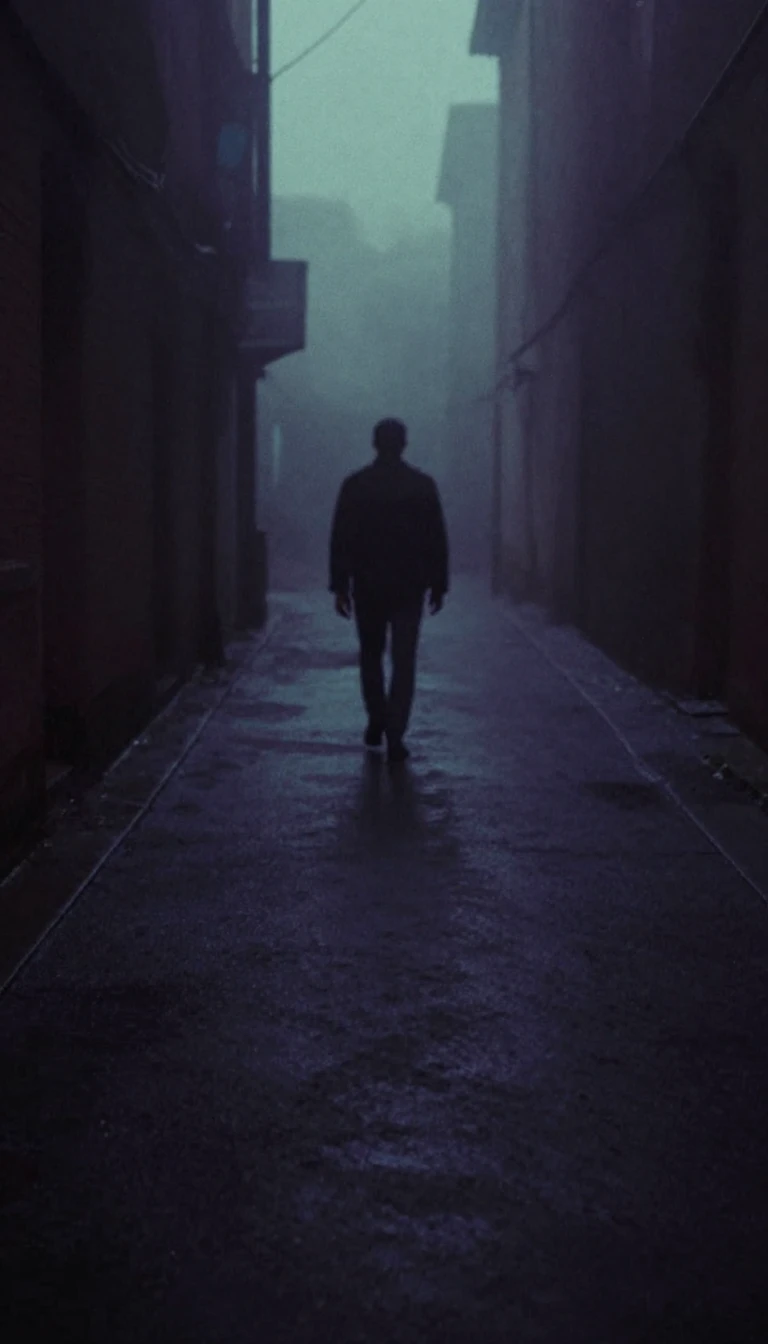
In short: Most video games are categorized by how you play them, but horror games are defined by their intent to terrify. By stripping players of control and leveraging psychological dread, this genre has evolved from rudimentary 1970s experiments into a sophisticated medium that now influences the very films that once inspired it.
While most gaming genres are classified by mechanics—such as platformers or shooters—horror games are uniquely defined by their narrative goal: to scare the player. This focus on emotional impact often leads to intraludic transgression, where gameplay mechanics are specifically designed to reduce the player's sense of control. Because the genre is defined by its theme rather than its systems, horror elements frequently appear in other categories, such as the monster-filled Castlevania series, which remains classified as a platformer despite its clear literary ties to horror mythos.
The genre's evolution is marked by distinct subgenres. Survival horror, popularized by the Resident Evil series, emphasizes resource management and escape. Psychological horror, exemplified by Silent Hill, shifts the focus from external monsters to the player-character's unreliable perception and sanity. Meanwhile, jump scare games like Five Nights at Freddy's prioritize sudden shocks, a style that has flourished in the era of streaming. More recently, reverse horror games like Carrion have inverted the dynamic, allowing players to inhabit the role of the monster, utilizing supernatural advantages to hunt rather than hide.
The medium's history began with simple experiments like the 1972 Magnavox Odyssey Haunted House overlay and 1982's 3D Monster Maze. As graphical fidelity improved, developers moved from text-based descriptions to complex 3D environments. By the 1990s, games like Alone in the Dark introduced fixed camera angles to heighten tension, paving the way for the survival horror boom. Interestingly, the influence eventually reversed; by the 2000s, the success of titles like Resident Evil and The House of the Dead began shaping the aesthetic and pacing of modern zombie cinema.
In the 2010s, indie developers revitalized the genre when major publishers grew hesitant. Titles like Amnesia and Outlast proved that horror could thrive outside established franchises. Today, developers are increasingly embracing retro aesthetics, using low-poly graphics to evoke nostalgia while subverting player expectations. By manipulating the medium to break the fourth wall, these games suggest that the experience itself is cursed, proving that horror remains one of the most experimental frontiers in gaming.
Opens the Intellect+ feed with this card first. Swipe up for the next one.
Sources
- Summary by Intellect · source: Horror game
- Also: Wikidata — horror video game · CC0
- Also: Wikidata — horror game · CC0
To cite this card, link to https://intellectplus.co.uk/app/sport-horror-game.
How we source, check and correct cards: Editorial standards.
General information, not professional advice. Spotted an error? Flag the card or see corrections and complaints.
Intellect Plus is a visual educational discovery platform for exploring fascinating facts and ideas. Brain Food, Not Brain Rot. What is Intellect Plus?
Related
More in Games · More in Sport & Games · Latest · A–Z · All topics
