Javier Sotomayor remains the only human to ever clear the eight-foot high jump barrier.
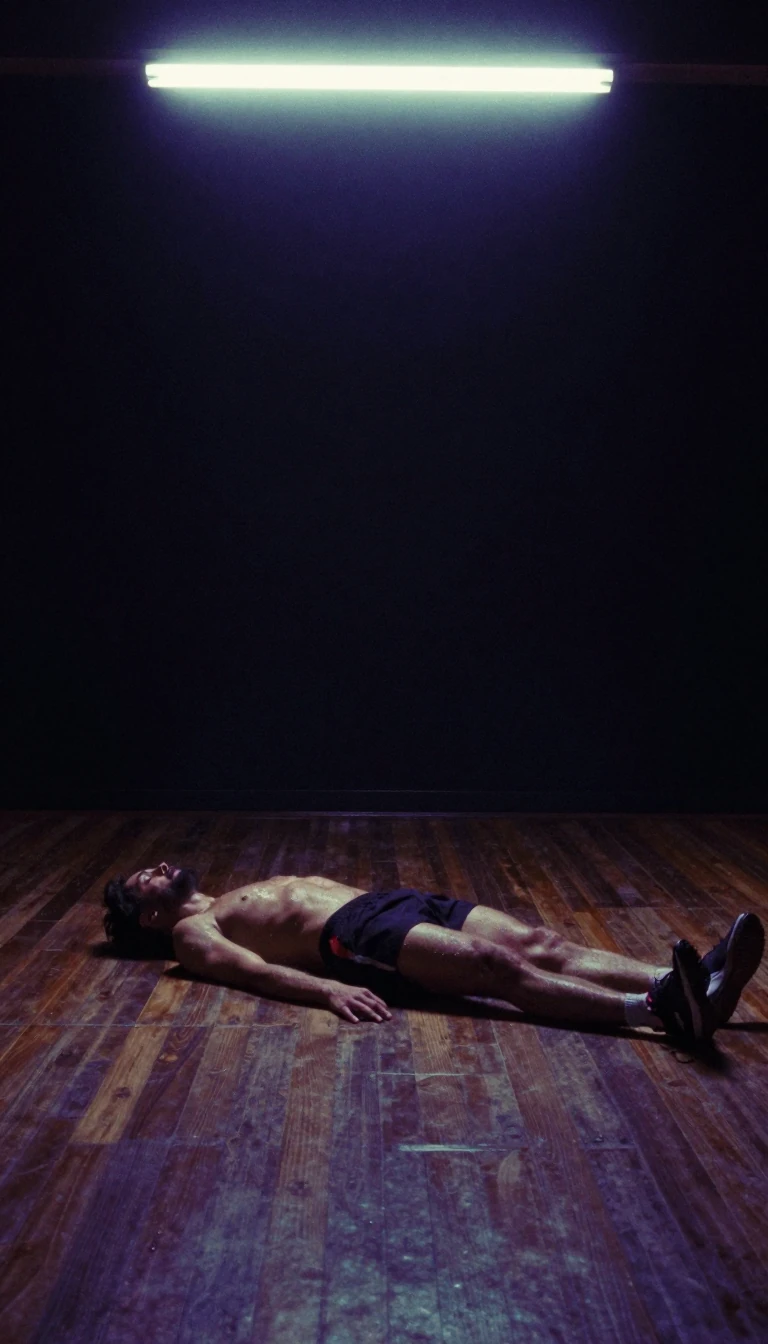
In short: Cuban athlete Javier Sotomayor dominated the high jump for over a decade, setting world records that still stand today. Despite his unparalleled physical prowess and legendary status, his career was shadowed by controversial doping scandals, shifting political boycotts, and a persistent, defiant claim of innocence against all official findings.
Born in 1967 in Limonar, Cuba, Javier Sotomayor was initially steered toward basketball due to his height. By age 14, he had transitioned to the high jump, clearing two meters. His ascent was rapid; by 19, he was ranked fifth globally. His career was defined by a unique, galloping 14-step approach that allowed him to re-accelerate during his final five strides, a technique that propelled him to heights no other human has reached.
Sotomayor’s dominance is statistically staggering. He holds the world record at 2.45 meters, set in Salamanca, Spain, in 1993. He is the only person to have cleared the eight-foot mark (2.44 meters), doing so twice. Between 1988 and 1995, he cleared 2.40 meters or higher 24 times across 21 different competitions. For eight separate years, he held the number one world ranking, accumulating 123 ranking points—far surpassing the 90 points held by the next most successful jumper, Dwight Stones.
His career was also marked by significant external disruptions. Cuban boycotts prevented him from competing in the 1984 and 1988 Olympics, though he secured gold in 1992 and silver in 2000. His legacy is complicated by two positive drug tests: one for cocaine in 1999 and another for the steroid nandrolone in 2001. While Sotomayor consistently maintained his innocence—often supported by Cuban officials who alleged sabotage or testing errors—the IAAF upheld the findings. Despite these controversies, his 1993 world record remains unbroken, cementing his place as one of the most formidable figures in track and field history.
The debate surrounding his legacy persists. While some view his career through the lens of his doping suspensions, others point to his longevity and the hundreds of tests he passed throughout his long tenure. Sotomayor himself eventually cited chronic Achilles tendon injuries as the primary reason for his 2001 retirement, though the doping allegations remain a central, contested chapter of his athletic story.
Opens the Intellect+ feed with this card first. Swipe up for the next one.
Sources
- Summary by Intellect · source: Javier Sotomayor
- Also: Wikidata — Javier Sotomayor · CC0
- Also: Wikidata — Javier Sotomayor Moriano · CC0
To cite this card, link to https://intellectplus.co.uk/app/sport-javier-sotomayor.
How we source, check and correct cards: Editorial standards.
General information, not professional advice. Spotted an error? Flag the card or see corrections and complaints.
Intellect Plus is a visual educational discovery platform for exploring fascinating facts and ideas. Brain Food, Not Brain Rot. What is Intellect Plus?
Related
More in Individual sports · More in Sport & Games · Latest · A–Z · All topics
