The king who lived in a palace of canvas
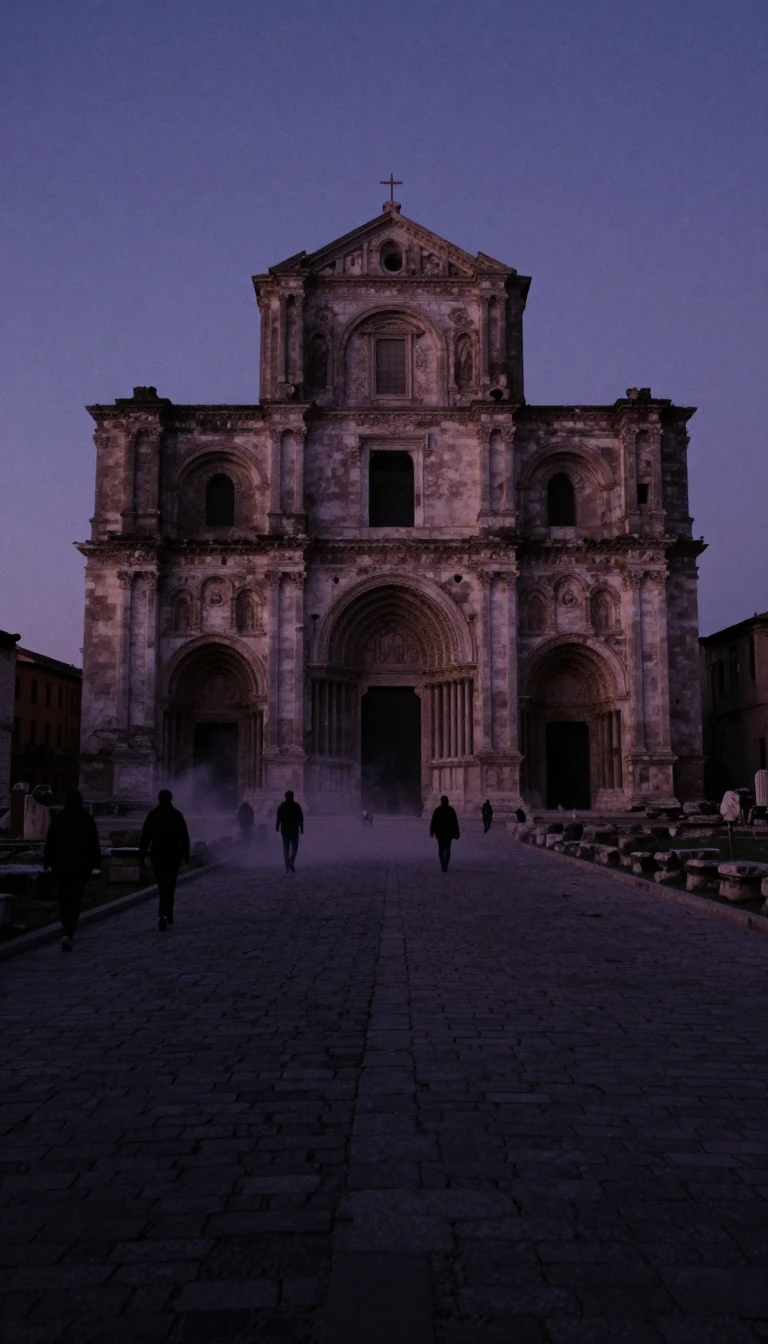
In short: After a catastrophic earthquake leveled Lisbon in 1755, King Joseph I developed such severe claustrophobia that he refused to live inside any walled building again. This psychological trauma forced the Portuguese monarchy into a nomadic existence, where the royal court resided in massive tent cities.
The Great Lisbon Earthquake of November 1, 1755, was a defining tragedy for Portugal. It caused a firestorm and tsunami that killed between 30,000 and 40,000 people. For King Joseph I, the physical destruction of the capital triggered a profound psychological shift: he developed intense claustrophobia. This condition fundamentally altered the geography of power in Portugal; rather than rebuilding his residence immediately, the king moved the entire royal court to a series of large tents situated in the hills of Ajuda.
While Joseph lived in these temporary structures, his government was undergoing a radical transformation led by Sebastião José de Carvalho e Melo, known as the Marquis of Pombal. Pombal used the chaos following the earthquake to consolidate authority, modernizing the economy and social structures. He successfully neutralized the influence of the old nobility—specifically through the Távora affair—and expelled the Jesuits in 1759 to seize control over education and church lands. This era marked Portugal's transition into the Age of Enlightenment.
The reign was also defined by military survival. In 1762, during the Seven Years' War, France and Spain invaded Portugal to force it out of its alliance with Great Britain. Joseph refused to yield, eventually securing British military aid. A combined force led by figures like William, Count of Schaumburg-Lippe, defeated the Bourbon invaders using scorched earth tactics and mountainous terrain. Though a new palace was commissioned in Campo de Ourique, it remained unfinished as the king's preference for open spaces persisted until his death in 1777.
Joseph I's legacy is one of modernization under duress. By delegating power to Pombal, he allowed Portugal to become a more efficient global contender, even as his own personal life was shaped by the trauma of 1755. His reign ended with the succession of his daughter, Maria I, who promptly dismantled Pombal's iron rule due to her ties with the old nobility.
Opens the Intellect+ feed with this card first. Swipe up for the next one.
Sources
- Summary by Intellect · source: Joseph I of Portugal
- Also: Wikidata — Joseph I of Portugal · CC0
To cite this card, link to https://intellectplus.co.uk/app/sport-joseph-i-of-portugal.
How we source, check and correct cards: Editorial standards.
General information, not professional advice. Spotted an error? Flag the card or see corrections and complaints.
Intellect Plus is a visual educational discovery platform for exploring fascinating facts and ideas. Brain Food, Not Brain Rot. What is Intellect Plus?
Related
More in Kings & queens · More in History · Latest · A–Z · All topics
