The ancient game of knucklebones has been played globally for at least 7,000 years.
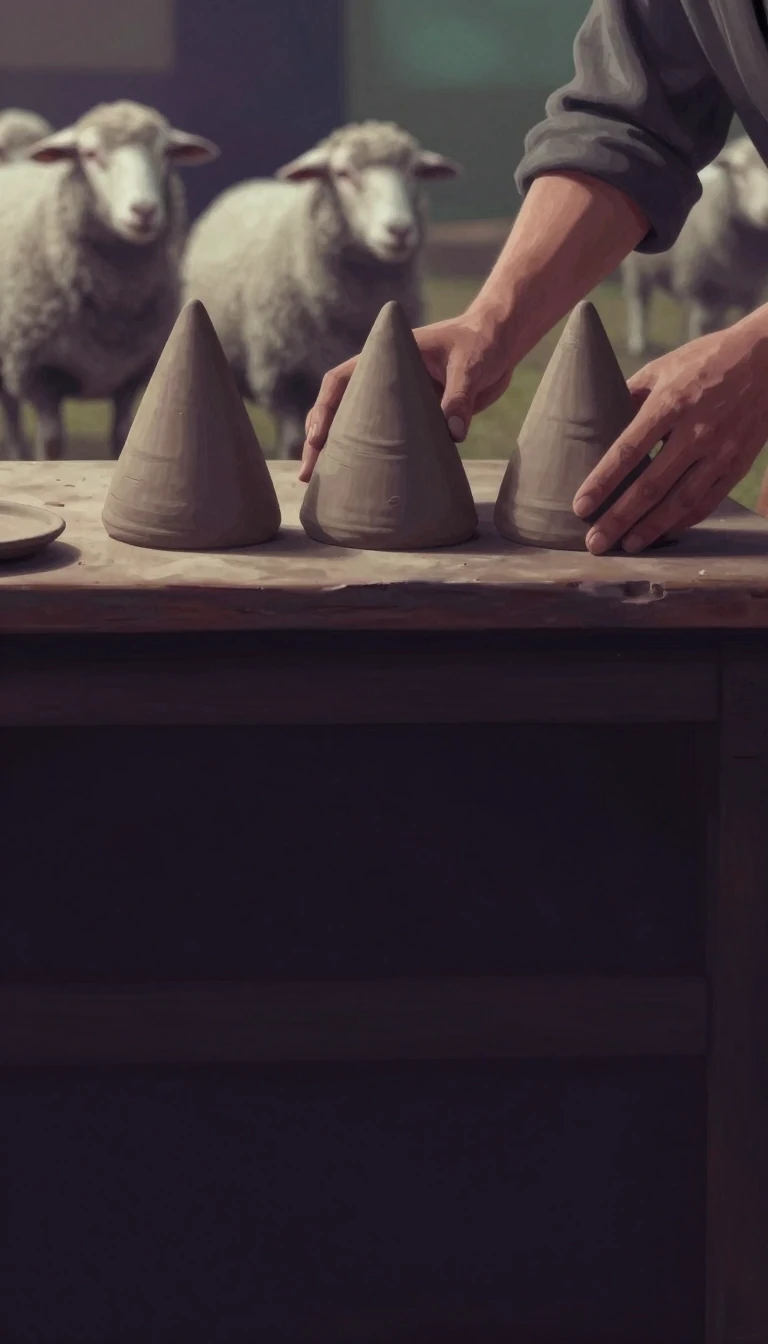
In short: Long before modern consoles, children and adults worldwide played with the ankle bones of sheep. From ancient Greece to the Pacific Islands, this game of dexterity and chance evolved into hundreds of variations. Whether using metal jacks or simple stones, the core challenge remains a test of speed and coordination.
Knucklebones, or astragaloi, originated from the use of the talus bone—the ankle bone—of hooved animals like sheep or goats. Archaeological evidence suggests these bones were common in excavations dating back to 5000 BCE. Because the bone is nearly symmetric, it naturally falls onto one of four sides, making it an early tool for both games of chance and divination. Unlike modern dice, the astragalus is not perfectly balanced; the broad sides appear with a probability of approximately 0.38, while the narrower sides occur at a rate of about 0.12.
The game split into two distinct traditions. The first is a test of dexterity, where players toss and catch objects—stones, seeds, or metal jacks—on the back of their hands. This version, often called 'five stones' or 'jacks,' is found in cultures as diverse as the Māori in Polynesia, school children in Israel, and players in the Philippines. The second tradition is a game of pure chance, where the bone is thrown like a die. In ancient Rome and Greece, these throws were assigned specific values, with high-scoring combinations named after figures like Aphrodite or Alexander, and the lowest throw, the 'Dog,' counting for one.
The game's history is shrouded in myth and debate. Ancient writers like Plato and Herodotus argued that the game was not native to Athens, instead attributing its invention to figures like the Egyptian god Thoth or the Lydians during a time of famine. Other traditions, such as those recorded by Sophocles, credited the mythical Palamedes with teaching the game to Greeks during the Trojan War. Despite these conflicting origin stories, the game's ubiquity suggests it was likely invented independently across many cultures. Today, the Mongolian shagai remains a significant cultural artifact, recognized by UNESCO in 2014 as part of the Intangible Cultural Heritage of Humanity.
Opens the Intellect+ feed with this card first. Swipe up for the next one.
Sources
- Summary by Intellect · source: Knucklebones
- Also: Wikidata — knucklebones · CC0
- Also: Wikidata — Knucklebones · CC0
To cite this card, link to https://intellectplus.co.uk/app/sport-knucklebones.
How we source, check and correct cards: Editorial standards.
General information, not professional advice. Spotted an error? Flag the card or see corrections and complaints.
Intellect Plus is a visual educational discovery platform for exploring fascinating facts and ideas. Brain Food, Not Brain Rot. What is Intellect Plus?
Related
More in Sports and recreation · More in Sport & Games · Latest · A–Z · All topics
