Beyond the costume: how live action role-playing became a global cultural phenomenon
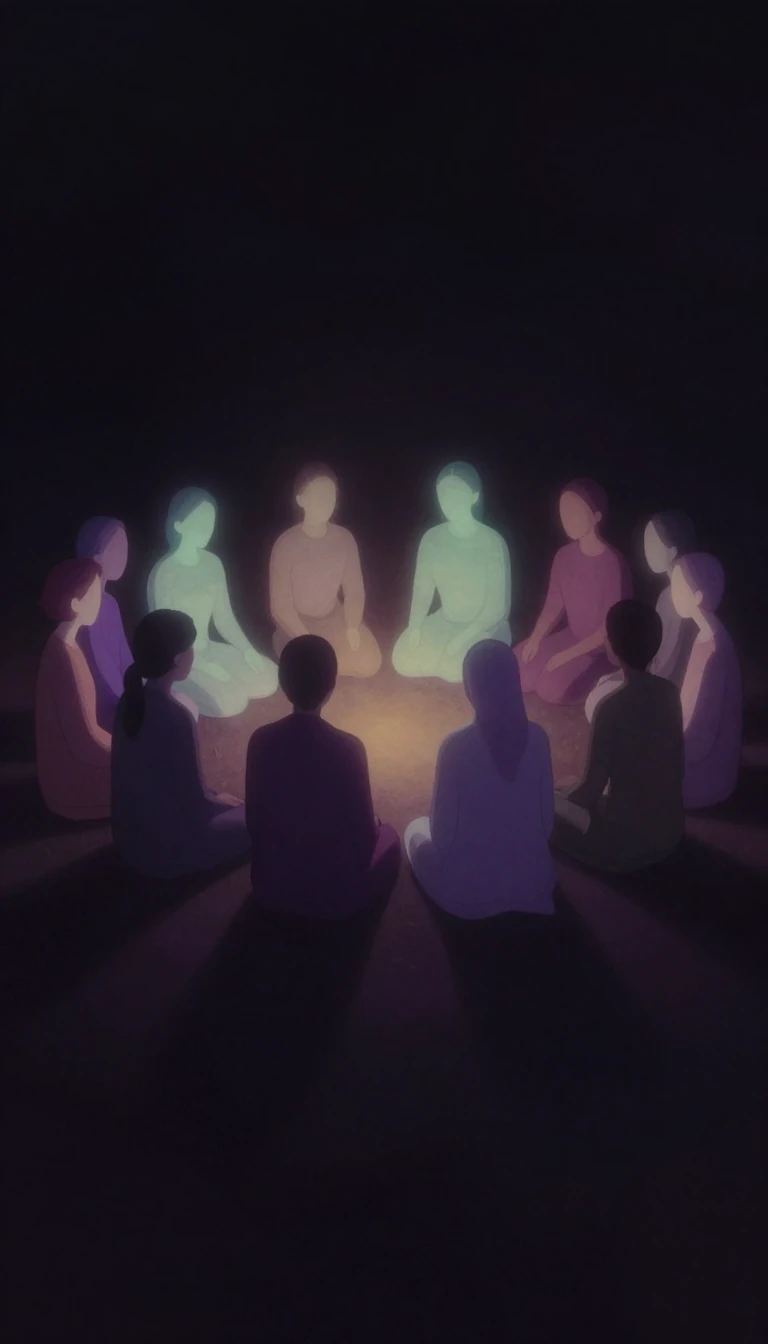
In short: Live action role-playing, or LARP, is far more than just fantasy enthusiasts in armor. From Nordic artistic experiments to China’s massive, commercially dominant murder-mystery industry, this participatory medium is evolving into a powerful tool for education, social research, and even political expression, challenging our definition of play and human interaction.
At its core, LARP is a form of role-playing where participants physically portray characters within a fictional setting. Unlike tabletop games, where actions are described verbally, LARP requires players to improvise speech and movement in real-time. These events range from intimate, hours-long sessions to massive festivals with thousands of participants. While often associated with fantasy, the genre is incredibly diverse, spanning science fiction, horror, and even realistic historical or modern settings. Gamemasters act as architects, designing the rules and environment, though they rarely maintain the total control found in tabletop games because of the sheer number of simultaneous interactions.
The medium has developed distinct regional identities. In the Nordic countries, the focus often shifts toward 'play to lose' strategies and emotionally complex, avant-garde storytelling that explores the human condition. Conversely, China has seen an explosive rise in 'jubensha'—scripted murder mystery games. Popularized by reality television in 2015, this industry has grown into a massive commercial force, with estimates suggesting nearly 10 million active players and a market value approaching 23.89 billion Chinese Yuan. This rapid growth has drawn the attention of Chinese authorities, who are now drafting regulations to manage content and protect minors.
Beyond entertainment, LARP serves as a unique laboratory for human behavior. Educators use it to immerse students in foreign languages or complex historical simulations, while researchers apply it to study economics, law, and game theory. Despite its potential, LARP often struggles for mainstream cultural legitimacy, frequently misunderstood as mere escapism or childish pretend. Yet, as the medium matures, it increasingly functions as a sophisticated, participatory art form that encourages people to step outside their daily lives and engage in collaborative, shared creation.
Opens the Intellect+ feed with this card first. Swipe up for the next one.
Sources
- Summary by Intellect · source: Live action role-playing game
- Also: Wikidata — live action role-playing game · CC0
- Also: Wikidata — history of live action role-playing games · CC0
To cite this card, link to https://intellectplus.co.uk/app/sport-live-action-role-playing-game.
How we source, check and correct cards: Editorial standards.
General information, not professional advice. Spotted an error? Flag the card or see corrections and complaints.
Intellect Plus is a visual educational discovery platform for exploring fascinating facts and ideas. Brain Food, Not Brain Rot. What is Intellect Plus?
Related
More in Games · More in Sport & Games · Latest · A–Z · All topics
