How a grand railway terminus survived war, fire, and the march of progress
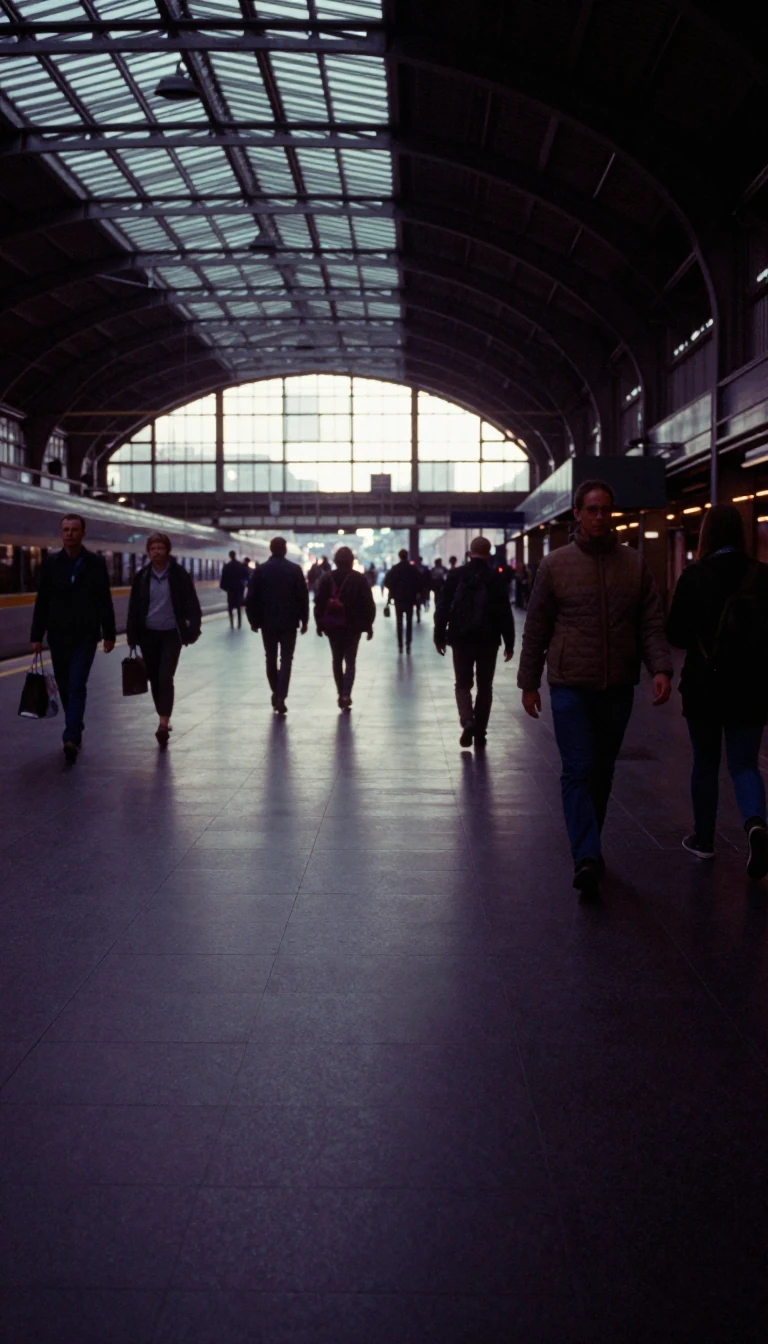
In short: London Paddington is more than a transit hub; it is a Victorian engineering marvel that has evolved for nearly two centuries. From its origins as a temporary terminus to its current status as a bustling Elizabeth line gateway, the station remains a testament to Isambard Kingdom Brunel’s enduring architectural vision.
Designed by Isambard Kingdom Brunel and opened in 1854, London Paddington was intended to be the finest railway terminus in Britain. Its iconic train shed, inspired by the Crystal Palace, originally featured three wrought-iron spans. While the station has undergone significant expansions—including the addition of a fourth span in the early 20th century—Brunel’s core structure remains remarkably intact. This preservation is largely due to a shift in public sentiment during the 1970s, which favored restoration over the wholesale demolition seen at other major London terminals.
The station’s history is marked by both growth and conflict. During World War II, it suffered direct hits from a parachute mine and 500-pound bombs, yet it continued to facilitate heavy military and civilian traffic. Post-war, the site adapted to changing needs, moving from steam to diesel and eventually integrating modern infrastructure like the Heathrow Express and the Elizabeth line. By 2022, these additions helped propel Paddington to become the second busiest station in the United Kingdom, handling 59.2 million passengers in the 2022–23 period.
Today, the station serves as a complex intersection of history and high-speed transit. Beyond its platforms, the area has transformed from derelict railway land into the modern Paddington Waterside office district. Despite the introduction of glass walls, retail units, and underground platforms, the station retains its historical character, anchored by the 1903 platform clock and the bronze memorial to Great Western Railway employees who perished in World War I. It stands as a rare example of a functional, historic monument that continues to define the rhythm of London life.
Opens the Intellect+ feed with this card first. Swipe up for the next one.
Sources
- Summary by Intellect · source: London Paddington station
- Also: Wikidata — London Paddington station · CC0
To cite this card, link to https://intellectplus.co.uk/app/sport-london-paddington-station.
How we source, check and correct cards: Editorial standards.
General information, not professional advice. Spotted an error? Flag the card or see corrections and complaints.
Intellect Plus is a visual educational discovery platform for exploring fascinating facts and ideas. Brain Food, Not Brain Rot. What is Intellect Plus?
Related
More in Cricket · More in Sport & Games · Latest · A–Z · All topics
