Mountain biking evolved from modified cruiser bikes to a high-tech, mainstream adventure sport.
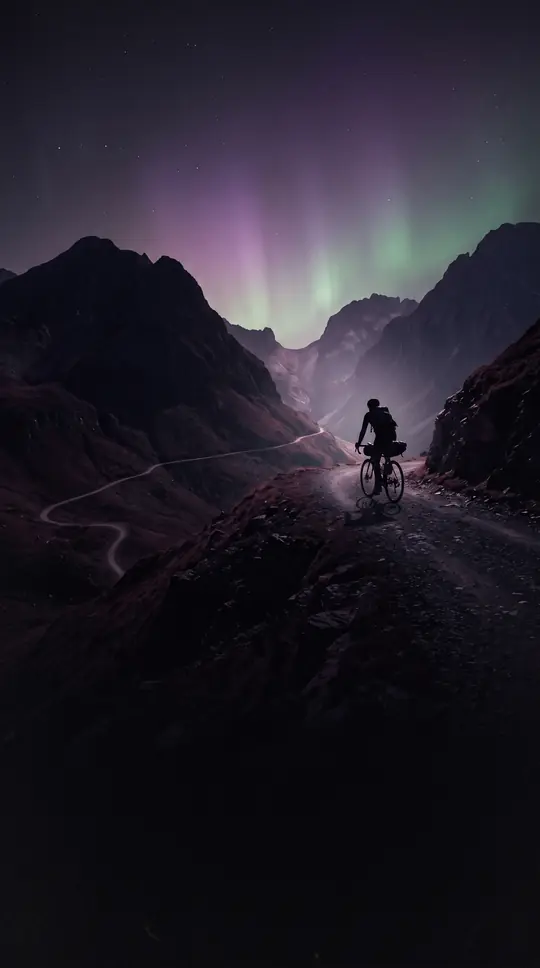
In short: Born on the rugged trails of Mount Tamalpais, mountain biking transformed from a fringe hobby of tinkerers into a global phenomenon. Today, it spans disciplines from endurance-focused cross-country to gravity-defying downhill racing, relying on specialized engineering to conquer terrain that would destroy a standard bicycle.
The origins of mountain biking are rooted in the late 1960s and 1970s, when enthusiasts in Marin County, California, began modifying heavy 1930s and 1940s Schwinn cruisers. These early 'klunkers' featured single-speed coaster brakes and were used for freewheeling down fire roads. Because the brakes often burned out, riders had to frequently repack the bearings, leading to the legendary 'Repack Races' that catalyzed early technical innovation. By the late 1970s, pioneers like Joe Breeze, Gary Fisher, Charlie Kelly, and Tom Ritchey began building purpose-built frames, shifting the sport toward the high-tech, lightweight materials seen today.
Modern mountain bikes are marvels of durability, featuring air or coil-sprung suspension, hydraulic disc brakes, and reinforced frames designed to handle extreme off-road conditions. The sport has since diversified into distinct categories, including cross-country, enduro, and downhill. While cross-country focuses on endurance and remains the only discipline in the Summer Olympic Games, enduro and downhill riders often utilize ski resort lifts to access steep, technical trails. This evolution has been marked by constant technological shifts, such as the move toward 29-inch wheels and one-by drivetrains.
Safety remains a critical component of the sport, especially as speeds increase. Because kinetic energy rises with the square of speed, a doubling of velocity can quadruple the risk of injury. Riders now employ a wide array of protective gear, from ventilated helmets to articulated body armor and hydration packs with integrated spine protection. Despite these advancements, the sport retains a core ethos of self-reliance. Whether navigating backcountry singletrack or local bike parks, riders are expected to carry tools and possess the skills to perform trailside repairs, ensuring they are never left stranded in the wilderness.
Opens the Intellect+ feed with this card first. Swipe up for the next one.
Sources
- Summary by Intellect · source: Mountain biking
- Also: Wikidata — mountain biking · CC0
- Also: Wikidata — mountain biking route · CC0
To cite this card, link to https://intellectplus.co.uk/app/sport-mountain-biking.
How we source, check and correct cards: Editorial standards.
General information, not professional advice. Spotted an error? Flag the card or see corrections and complaints.
Intellect Plus is a visual educational discovery platform for exploring fascinating facts and ideas. Brain Food, Not Brain Rot. What is Intellect Plus?
Related
More in Sports · More in Sport & Games · Latest · A–Z · All topics
