How a Puccini aria became the world's most unlikely football anthem
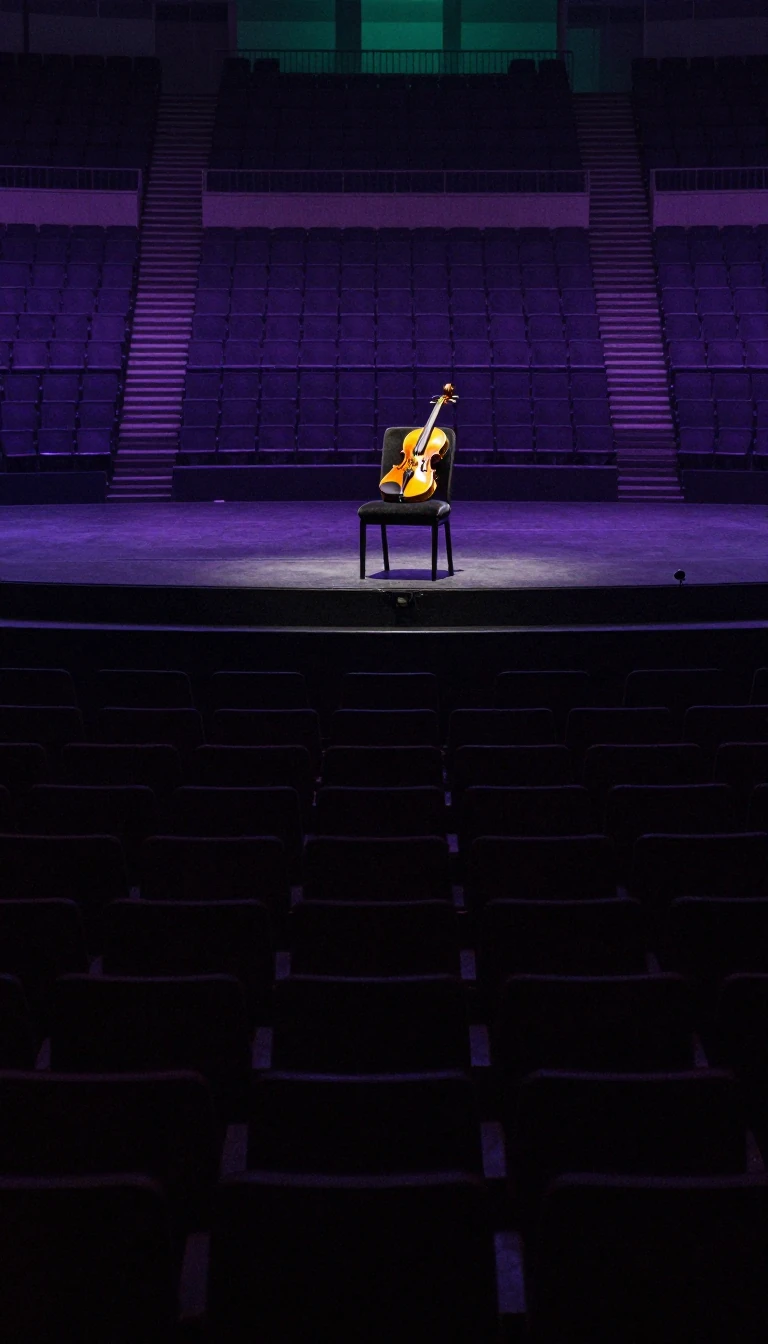
In short: Originally a tense moment in the opera Turandot where a prince faces execution, Nessun dorma transformed into a global sporting phenomenon. After Luciano Pavarotti’s 1990 World Cup performance, the aria transcended the opera house to become a signature anthem for football victories, stadium celebrations, and even Olympic opening ceremonies.
Nessun dorma, meaning 'Let no one sleep,' originates from the final act of Giacomo Puccini’s opera Turandot. In the narrative, the protagonist Calaf faces a high-stakes challenge: Princess Turandot has decreed that none of her subjects shall sleep until his name is discovered, threatening death to all if they fail. Calaf, confident in his eventual victory, sings the aria as he awaits the dawn, reflecting on his triumph over the cold princess.
While the piece was a staple of recitals for decades, it achieved pop-culture status in 1990 when the BBC used Luciano Pavarotti’s 1972 recording as the theme for its FIFA World Cup coverage in Italy. The performance resonated deeply with global audiences, particularly when Pavarotti, alongside José Carreras and Plácido Domingo, performed it at the 1990 World Cup Final in Rome. This event launched The Three Tenors, whose subsequent concert album became the best-selling classical recording of all time.
The aria’s association with sport has only deepened over time. It has been performed at World Cup Finals in 1994, 1998, and 2002, and has become a fixture in football culture. Andrea Bocelli famously sang it to celebrate Leicester City’s 2016 Premier League title, and HNK Rijeka has used it to mark their Croatian league victories. Beyond the pitch, the piece remains a cultural touchstone, appearing in numerous films and being reinterpreted by artists ranging from Aretha Franklin to Jeff Beck.
Musically, the aria is defined by its climactic 'Vincerò!'—meaning 'I will win.' While modern performers often sustain the final high notes for dramatic effect, Puccini’s original score wrote these as a sixteenth note and a whole note, respectively. This tension between the composer's original intent and the grand, sustained interpretations of modern tenors mirrors the aria's own journey from a palace garden in an opera to the center of global stadium celebrations.
Opens the Intellect+ feed with this card first. Swipe up for the next one.
Sources
- Summary by Intellect · source: Nessun dorma
- Also: Wikidata — Nessun dorma · CC0
- Also: Wikidata — Nessun dorma Dmel_CG10722 · CC0
To cite this card, link to https://intellectplus.co.uk/app/sport-nessun-dorma.
How we source, check and correct cards: Editorial standards.
General information, not professional advice. Spotted an error? Flag the card or see corrections and complaints.
Intellect Plus is a visual educational discovery platform for exploring fascinating facts and ideas. Brain Food, Not Brain Rot. What is Intellect Plus?
Related
More in Football · More in Sport & Games · Latest · A–Z · All topics
