Why the history of nightlife is actually a history of artificial light and caffeine
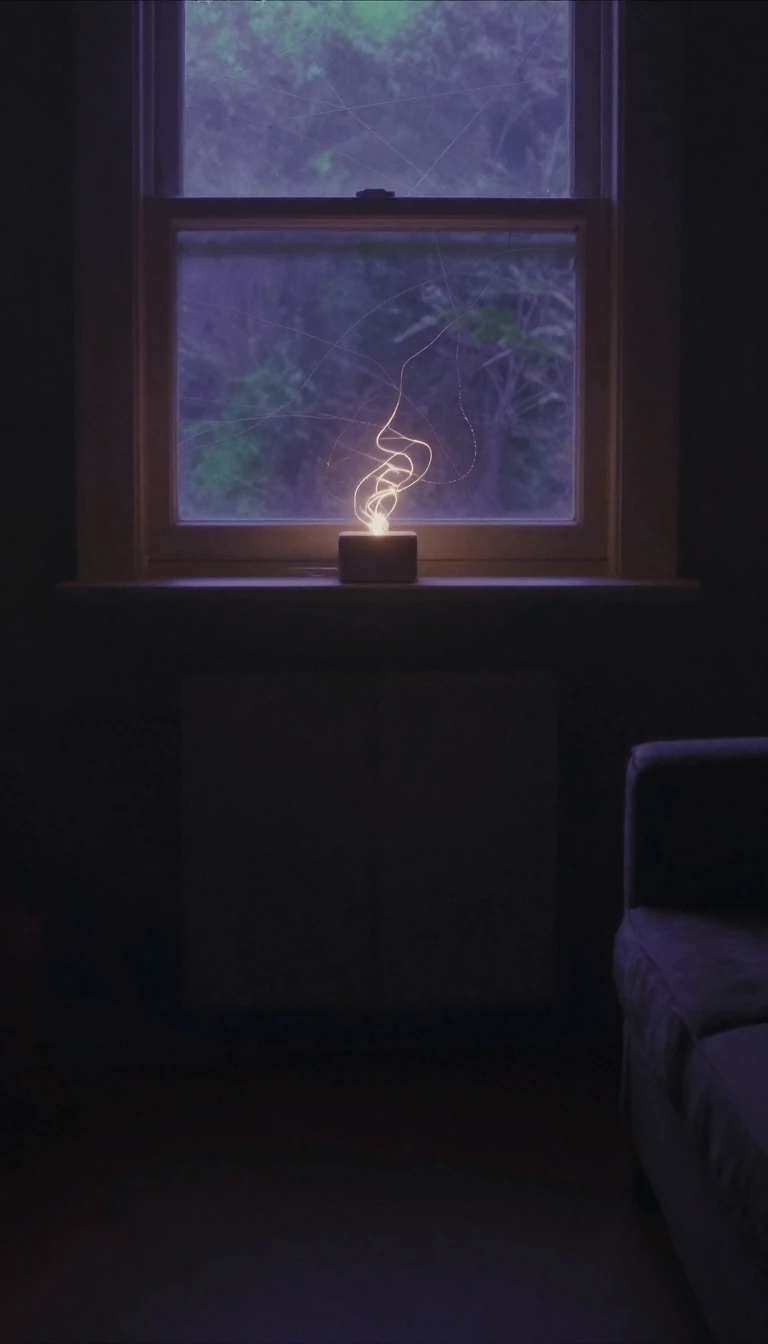
In short: Nightlife as we know it is a relatively modern invention. For centuries, agricultural labor and darkness kept society asleep after sunset. It took the arrival of street lighting, coffee, and tea in 18th-century Europe to finally turn the night into a vibrant, social, and often contentious public space.
Before the 17th and 18th centuries, the night was largely a domain of danger or necessity. In ancient cities like Rome, darkness was synonymous with risk, and the demands of farming meant most people retired early. The shift toward a nocturnal culture began only when artificial lighting—ranging from domestic lamps to early streetlights—allowed the upper classes to reclaim the night. This transition was fueled by the introduction of stimulants like chocolate, coffee, and tea, which supported the emergence of cafes that remained open until dawn.
Sociologists view these spaces, such as pubs and nightclubs, as essential 'third places'—environments outside of home and work that foster social connection. Yet, this vibrancy is not without its shadows. David Grazian argues that nightlife often mirrors the inequalities of the broader world, reinforcing structures of race, class, and ethnic exclusion. In the United States, for instance, some nightclubs have utilized dress codes to target hip-hop culture, effectively practicing a form of informal racial segregation. Furthermore, critics point to club cultures that can tolerate the harassment of women, where patrons and staff are often pressured into sexualized performances to gain entry or maintain their status.
Despite these issues, nightlife remains a powerful engine for cultural and political change. It has served as a crucible for movements ranging from the development of bebop and urban blues to the gay rights movement, which gained significant momentum following the 1969 riots at the Stonewall Inn in New York City. Today, the landscape continues to shift. Legislation like the Licensing Act 2003 in the United Kingdom has altered the competitive dynamics between pubs and clubs, while digital platforms and social media have fundamentally reshaped how younger generations discover and engage with these nocturnal environments, ensuring that nightlife remains a dynamic, if complex, reflection of contemporary society.
Opens the Intellect+ feed with this card first. Swipe up for the next one.
Sources
- Summary by Intellect · source: Nightlife
- Also: Wikidata — Nightlife · CC0
- Also: Wikidata — Nightlife · CC0
To cite this card, link to https://intellectplus.co.uk/app/sport-nightlife.
How we source, check and correct cards: Editorial standards.
General information, not professional advice. Spotted an error? Flag the card or see corrections and complaints.
Intellect Plus is a visual educational discovery platform for exploring fascinating facts and ideas. Brain Food, Not Brain Rot. What is Intellect Plus?
Related
More in Entertainment · More in Sport & Games · Latest · A–Z · All topics
