Rhythmic gymnastics evolved from nineteenth-century theories of expressive movement and aesthetic dance
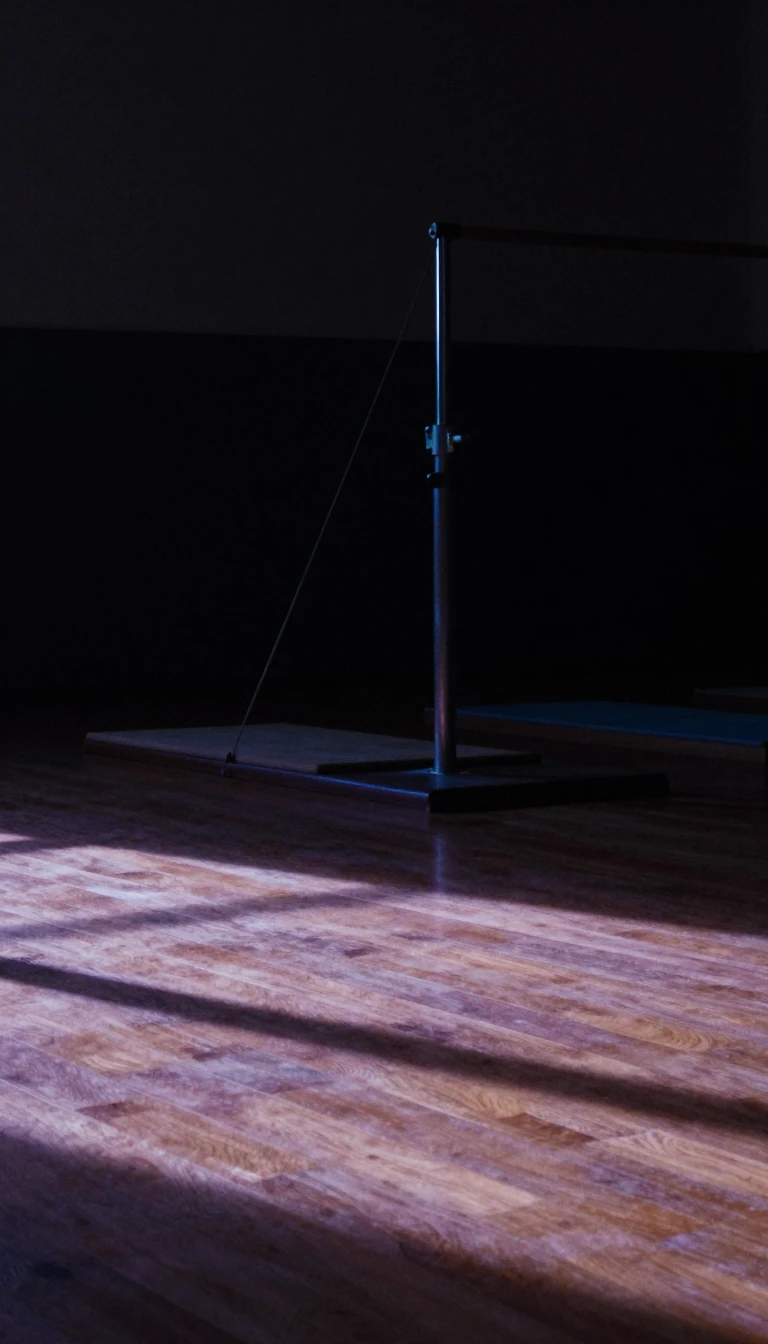
In short: Far from mere tumbling, rhythmic gymnastics is a disciplined fusion of dance, calisthenics, and apparatus handling. Born from the intellectual pursuit of expressive movement, it transformed from a private practice for women into a high-stakes Olympic sport defined by grace, technical difficulty, and the precise manipulation of hoops, balls, clubs, and ribbons.
The roots of rhythmic gymnastics lie in the nineteenth-century movement theories of figures like Jean-Georges Noverre, François Delsarte, and Rudolf Bode, who sought to express emotion through physical action. Pehr Henrik Ling’s Swedish system of free exercise further popularized aesthetic gymnastics, emphasizing grace and posture. By the early twentieth century, these ideas were synthesized by pioneers like Isadora Duncan and Hinrich Medau, who moved away from rigid ballet traditions toward freer, more expressive styles. The Soviet Union’s High School of Artistic Movement, founded in 1932, eventually formalized these disparate influences into a competitive sport.
Modern rhythmic gymnastics is governed by the Fédération Internationale de Gymnastique (FIG), which formally recognized the discipline in 1962. It debuted as an Olympic event in 1984, though its path to the Games was complicated by political boycotts and the International Olympic Committee’s initial hesitation to accept the sport. Today, it is a women-only international discipline where athletes are judged on artistry, execution, and the difficulty of their skills. Competitions take place on a 13-by-13-meter carpeted floor, where gymnasts perform routines using hoops, balls, clubs, and ribbons.
Scoring is determined by the FIG Code of Points, which evaluates both body and apparatus difficulties. Body difficulties include high-precision jumps, balances, and rotations, while apparatus difficulties involve complex throws, catches, and patterns. A unique requirement is the dance step combination, which must match the music’s character and last at least eight seconds. While the sport has historically favored younger athletes, the median age of competitors has trended upward, with many gymnasts now competing well into their twenties, showcasing the sport's evolution into a rigorous, professionalized athletic endeavor.
Opens the Intellect+ feed with this card first. Swipe up for the next one.
Sources
- Summary by Intellect · source: Rhythmic gymnastics
- Also: Wikidata — rhythmic gymnastics · CC0
- Also: Wikidata — rhythmic gymnastics · CC0
To cite this card, link to https://intellectplus.co.uk/app/sport-rhythmic-gymnastics.
How we source, check and correct cards: Editorial standards.
General information, not professional advice. Spotted an error? Flag the card or see corrections and complaints.
Intellect Plus is a visual educational discovery platform for exploring fascinating facts and ideas. Brain Food, Not Brain Rot. What is Intellect Plus?
Related
More in Sports and recreation · More in Sport & Games · Latest · A–Z · All topics
