The physics of sandcastles: why dirty sand makes for the best architecture
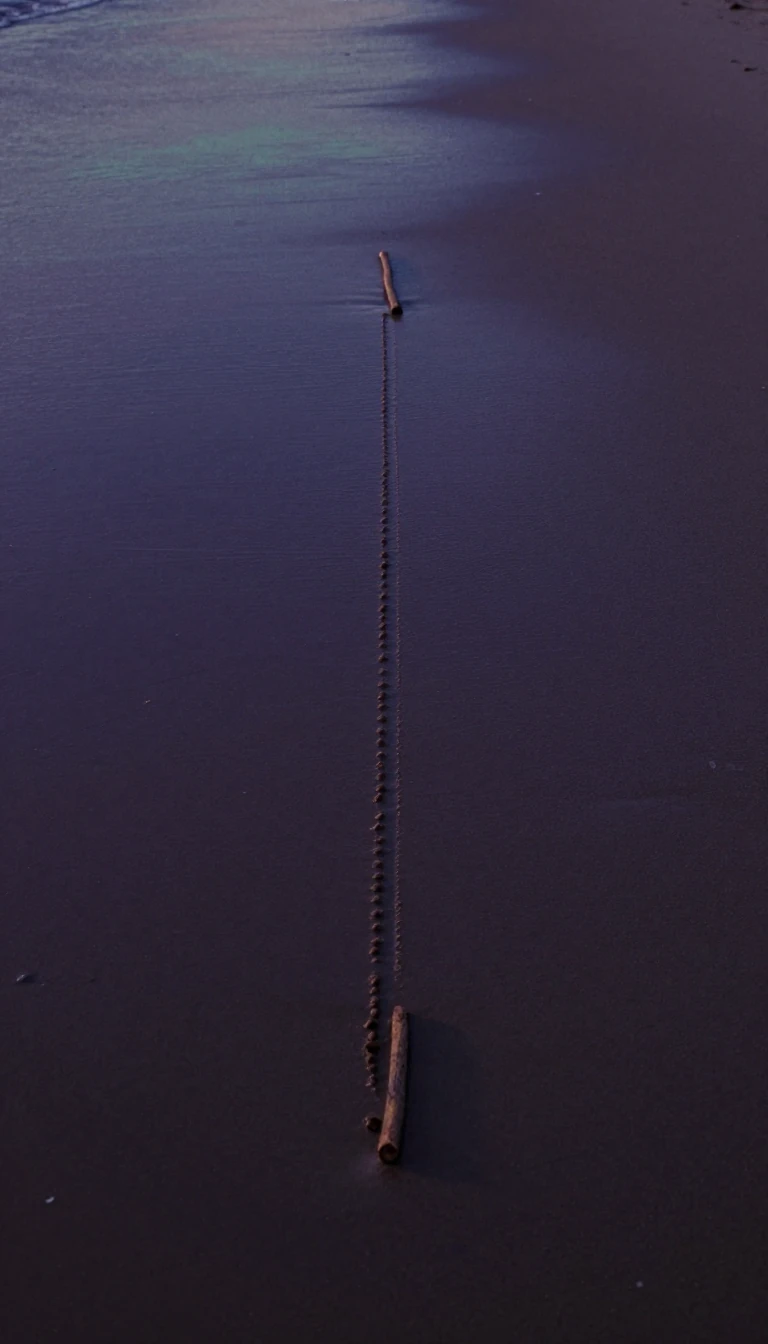
In short: Building a sandcastle is more than child's play; it is an exercise in granular physics. To reach impressive heights, you need the right mixture of sand, silt, and water. Discover how surface tension creates invisible bridges between grains, allowing ephemeral masterpieces to stand tall before the tide inevitably claims them.
At the heart of every sandcastle lies a delicate balance of physics. While dry sand is loose and uncooperative, adding water transforms it into an adherent medium. This occurs because water forms microscopic bridges between individual grains, held together by the forces of surface tension. For the best structural results, builders require more than just pure sand; they need 'dirty' sand containing silt and clay, which helps lock irregular-shaped grains together. Conversely, fine granules rounded by the sea slide past each other too easily, making them poor choices for ambitious construction.
The art of sand sculpting has evolved from simple beachside fun into a global competitive discipline. While children often use buckets and shovels to create miniature forts, professional sculptors employ sophisticated techniques to build massive, complex structures. These artists often come from diverse creative backgrounds, though a few earn their living entirely through sand-related work. Competitions are held annually worldwide, from the long-running events in Harrison, British Columbia, to the National Sandcastle competition in Bettystown, Ireland. Some of these projects are monumental; for instance, a record-breaking 58-foot-tall castle was unveiled in Rügen, Germany, in 2019, utilizing 11,000 tons of sand.
Beyond traditional sculpting, sand art encompasses a variety of ephemeral and permanent forms. Sand raking, for example, creates large-scale patterns similar to crop circles, where the contrast between smooth and raked sand manipulates light reflection to create dark and light imagery. Other variations include sand animation, sand bottles, and sand painting. However, the medium is inherently transient. Whether it is a sand pagoda built for Buddhist merit—a tradition dating back to the 1500s—or a massive tidal fort, these works are often destined to be washed away. This impermanence is part of the appeal, though it carries real risks; tunnels and underground chambers are notoriously unstable and can collapse, making them hazardous for both children and adults.
Opens the Intellect+ feed with this card first. Swipe up for the next one.
Sources
- Summary by Intellect · source: Sand art and play
To cite this card, link to https://intellectplus.co.uk/app/sport-sand-art-and-play.
How we source, check and correct cards: Editorial standards.
General information, not professional advice. Spotted an error? Flag the card or see corrections and complaints.
Intellect Plus is a visual educational discovery platform for exploring fascinating facts and ideas. Brain Food, Not Brain Rot. What is Intellect Plus?
Related
More in Entertainment · More in Sport & Games · Latest · A–Z · All topics
