From garage experiments to Olympic gold: the evolution of trampolining
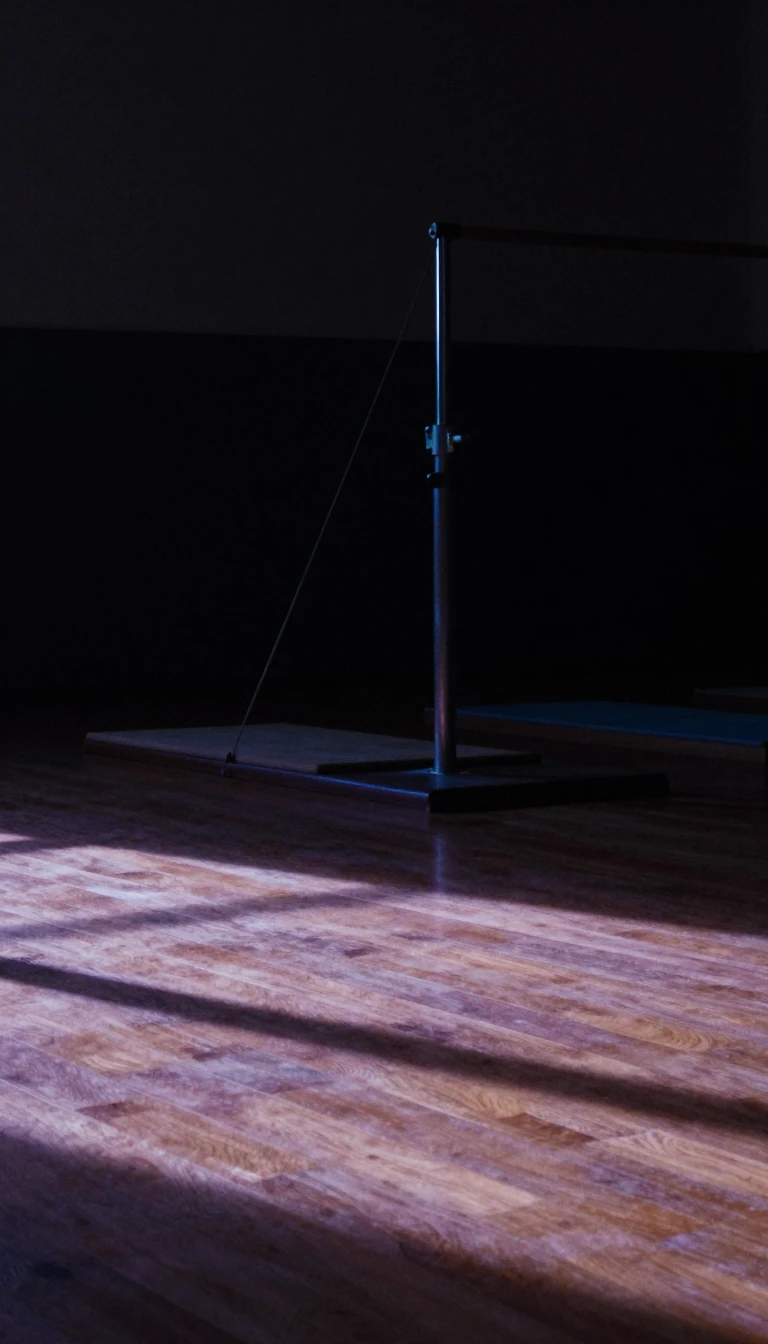
In short: What began as a way for a diver to practice tricks in a garage has transformed into a high-stakes Olympic sport. Today, athletes battle for points by maximizing their time in the air while executing complex, twisting somersaults with mathematical precision.
The modern trampoline was born in the early 1930s when George Nissen observed trapeze artists using safety nets to perform stunts. Seeking to replicate this on a smaller scale for his own diving and tumbling practice, Nissen constructed the first modern trampoline in his garage. He eventually trademarked the name using a variant of the Spanish word 'trampolín,' meaning diving board, and used demonstrations to market his invention to the public.
While the sport was quickly adopted in US schools and private centers, it found its strongest footing in Europe and the former Soviet Union. Competitive formats have evolved significantly since the early years, when routines were uncodified and athletes could even remount if they fell off. By the 1950s, the standard 10-bounce routine emerged, leading to the first World Championships in 1964, won by Americans Dan Millman and Judy Wills Cline. The sport reached a major milestone in 2000 when it was officially included in the Summer Olympic Games.
In modern competition, scoring is a complex calculation of difficulty and execution. Athletes perform ten contacts with the bed, rotating around their longitudinal and lateral axes to produce twists and somersaults. Since 2010, a 'Time of Flight' (ToF) metric has been used to reward athletes who achieve greater height, measured by electronic timing equipment. This has sparked a strategic debate among coaches: whether to prioritize high-difficulty routines that risk form deductions, or to focus on perfect execution within simpler routines.
Opens the Intellect+ feed with this card first. Swipe up for the next one.
Sources
- Summary by Intellect · source: Trampolining
- Also: Wikidata — trampolining · CC0
To cite this card, link to https://intellectplus.co.uk/app/sport-trampolining.
How we source, check and correct cards: Editorial standards.
General information, not professional advice. Spotted an error? Flag the card or see corrections and complaints.
Intellect Plus is a visual educational discovery platform for exploring fascinating facts and ideas. Brain Food, Not Brain Rot. What is Intellect Plus?
Related
More in Sports · More in Sport & Games · Latest · A–Z · All topics
