Why your next laptop costs more: the global race for AI-ready memory
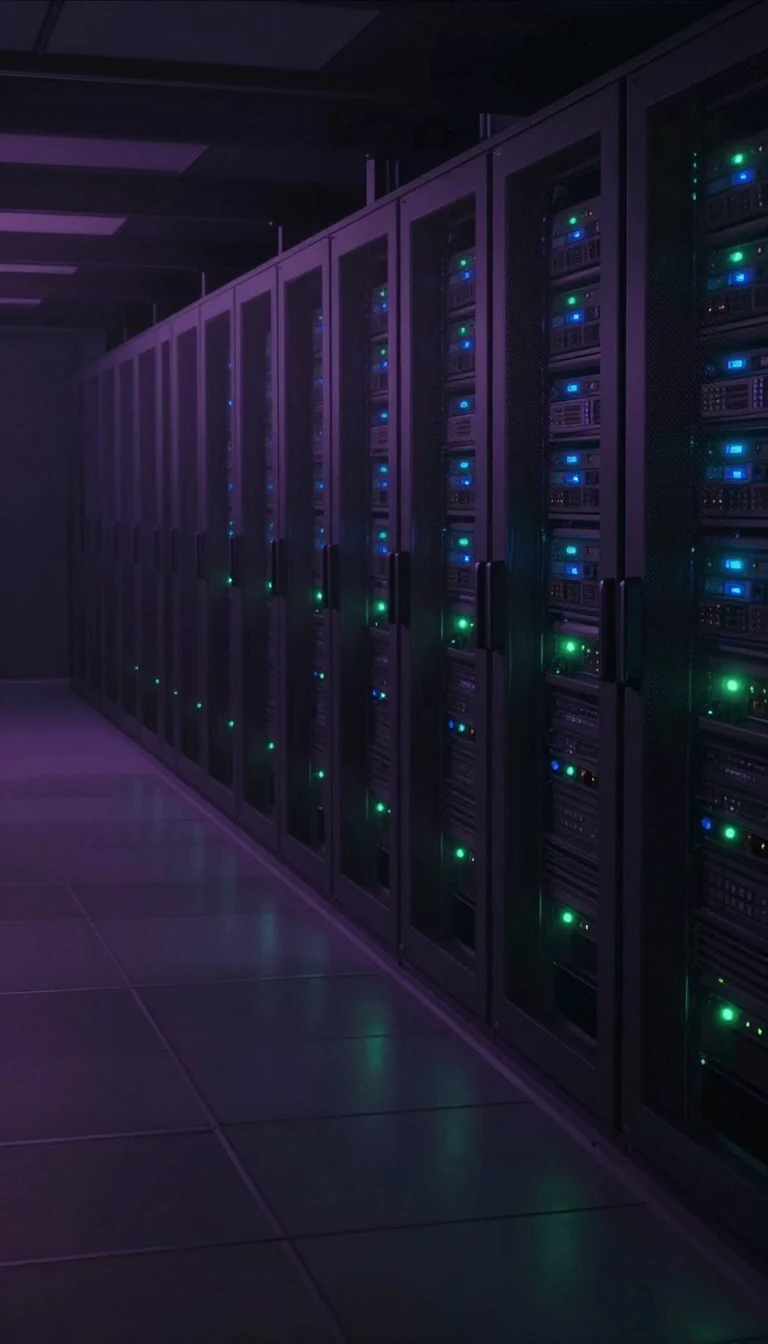
In short: A massive, intentional shift in semiconductor manufacturing has triggered a global memory shortage, dubbed RAMageddon. As tech giants prioritize high-bandwidth memory for AI data centers, consumer electronics face scarcity and soaring prices. This supply crisis is reshaping the hardware market, forcing companies to rethink their entire production strategies.
The current memory shortage, beginning in 2025, differs fundamentally from the pandemic-era chip crisis. Rather than supply chain disruptions, this scarcity is driven by a strategic pivot: major manufacturers like Samsung, SK Hynix, and Micron are reallocating wafer capacity toward high-bandwidth memory (HBM) to satisfy the insatiable demand of AI infrastructure. Because HBM requires significantly more wafer space per bit than standard DRAM, this transition has caused a sharp contraction in the supply of conventional memory modules for PCs and smartphones.
The scale of this shift is immense. Projects like OpenAI’s Stargate initiative are expected to consume nearly half of global DRAM production, requiring hundreds of thousands of wafers monthly. This prioritization has left smaller firms struggling to secure components, while major OEMs face unprecedented cost escalations. In late 2025, NAND wafer contract prices surged by over 60% in a single month as manufacturers retired legacy process nodes to focus on high-margin enterprise SSDs. Consequently, consumer electronics manufacturers have been forced to raise prices or delay product launches.
The industry is now navigating a complex landscape of trade tensions, antitrust scrutiny, and aggressive corporate maneuvering. While tech giants like Google, Amazon, and Meta place open-ended orders to secure supply regardless of cost, others are attempting to mitigate the impact through software innovations like memory compression. Despite some manufacturers breaking ground on new fabrication facilities, experts suggest the shortage could persist until 2030. As the market adjusts, the long-term viability of low-margin consumer devices remains uncertain, with analysts forecasting significant declines in the PC and smartphone sectors.
Legal and economic pressures are mounting as well. A class-action lawsuit alleges that the three largest DRAM manufacturers conspired to manipulate prices under the guise of the HBM transition. Meanwhile, companies like Dell and Lenovo have reported record-breaking cost increases, leading to stock downgrades and price hikes for end-users. As the industry grapples with these constraints, the focus remains on whether new manufacturing capacity can eventually stabilize the market or if the AI-driven demand will permanently alter the cost structure of consumer technology.
Opens the Intellect+ feed with this card first. Swipe up for the next one.
Sources
- Summary by Intellect · source: 2025–present global memory supply shortage
To cite this card, link to https://intellectplus.co.uk/app/technology-2025-present-global-memory-supply-shortage.
How we source, check and correct cards: Editorial standards.
General information, not professional advice. Spotted an error? Flag the card or see corrections and complaints.
Intellect Plus is a visual educational discovery platform for exploring fascinating facts and ideas. Brain Food, Not Brain Rot. What is Intellect Plus?
Related
More in Technology today · More in Technology · Latest · A–Z · All topics
