Before the cars, Adam Opel built a sewing machine empire from a cow stall.
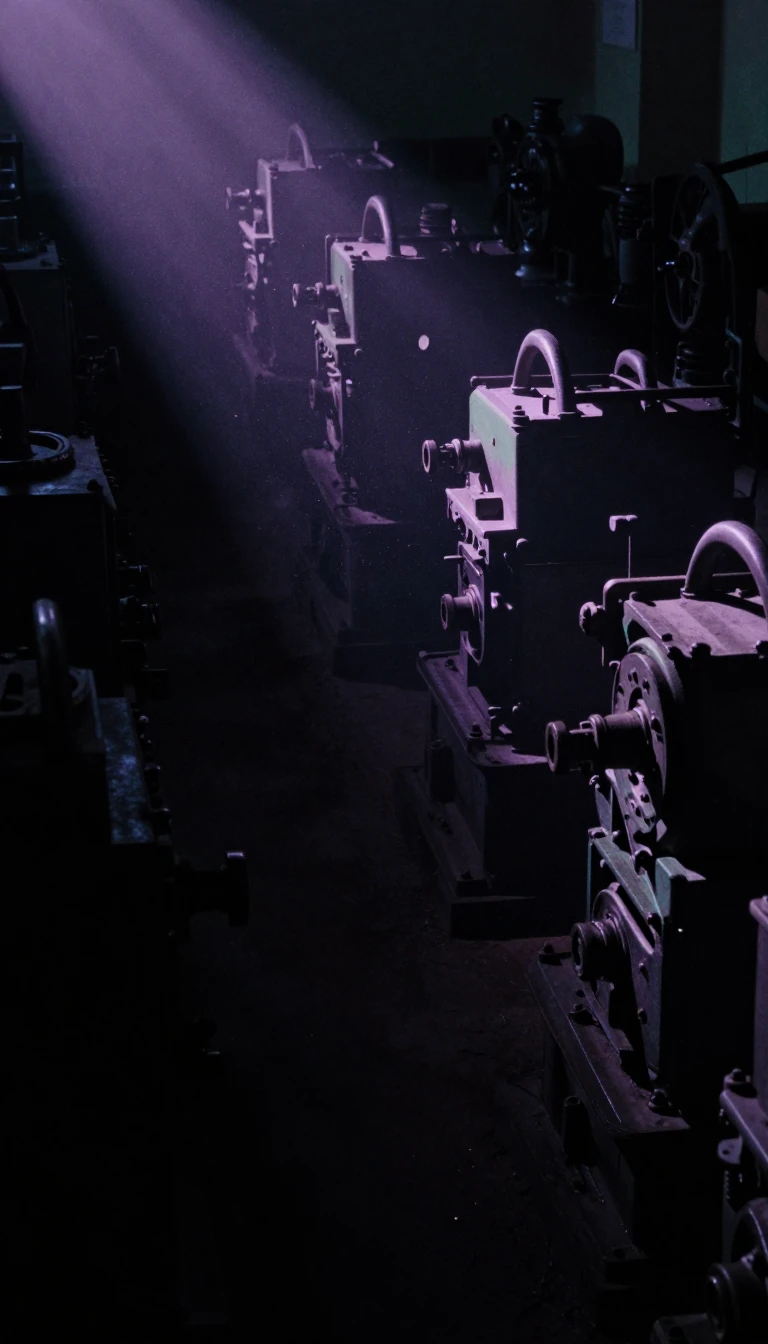
In short: Adam Opel began his career as a locksmith, but a trip to Paris sparked an obsession with sewing machines. He returned to Rüsselsheim to build them in a borrowed cow stall. His wife, Sophie, provided the capital and vision that transformed a small workshop into a massive industrial powerhouse.
Born in 1837, Adam Opel spent his early years as an apprentice locksmith across Belgium and France. It was in Paris in 1858 that he first encountered the sewing machine, a technology that would define his early entrepreneurial life. Upon returning to Rüsselsheim in 1862, he established a workshop in a vacant cow stall. The business gained momentum after his marriage to Sophie Scheller, whose dowry and family connections allowed for the purchase of a steam engine and the construction of a two-story factory. By 1870, the company introduced the 'Sophia' sewing machine, named in honor of his wife.
The sewing machine business was remarkably successful, reaching a milestone of one million units produced by 1911. However, as the market became commodified and less profitable, the Opel family pivoted toward bicycles and automobiles. Adam Opel’s initial experience with bicycles was negative—he famously dismissed them as 'bone breakers' after a disastrous first ride—but he was eventually swayed by the high profit margins and the persistent demands of his five sons. By 1887, the company was producing its own cycles, and the Opel brothers became renowned as prize-winning racers.
Adam Opel died in 1895, never witnessing the company’s transition into automobile manufacturing. Under the leadership of his widow, Sophie, and their sons, the firm navigated the volatile bicycle market, eventually becoming the largest bicycle manufacturer by the mid-1920s. The company’s evolution continued through the 20th century, culminating in the sale of Adam Opel AG to General Motors between 1929 and 1931. By the time the bicycle division was sold to NSU in 1936, the company had produced 2.5 million bicycles, marking the end of an era that began in a humble Rüsselsheim stall.
The legacy of the Opel family is one of constant adaptation. From the early days of manual locksmithing to the high-tech, pressurized halls of their mid-1920s bicycle plants, the company consistently sought out new, profitable frontiers. While Adam Opel laid the foundation, it was the strategic involvement of Sophie and the subsequent generation that ensured the enterprise survived the collapse of the bicycle boom in 1898 and successfully transitioned into the automotive age.
Opens the Intellect+ feed with this card first. Swipe up for the next one.
Sources
- Summary by Intellect · source: Adam Opel
To cite this card, link to https://intellectplus.co.uk/app/technology-adam-opel.
How we source, check and correct cards: Editorial standards.
General information, not professional advice. Spotted an error? Flag the card or see corrections and complaints.
Intellect Plus is a visual educational discovery platform for exploring fascinating facts and ideas. Brain Food, Not Brain Rot. What is Intellect Plus?
Related
More in History · Latest · A–Z · All topics
