Bananas and pumpkins are berries, but strawberries and raspberries are not
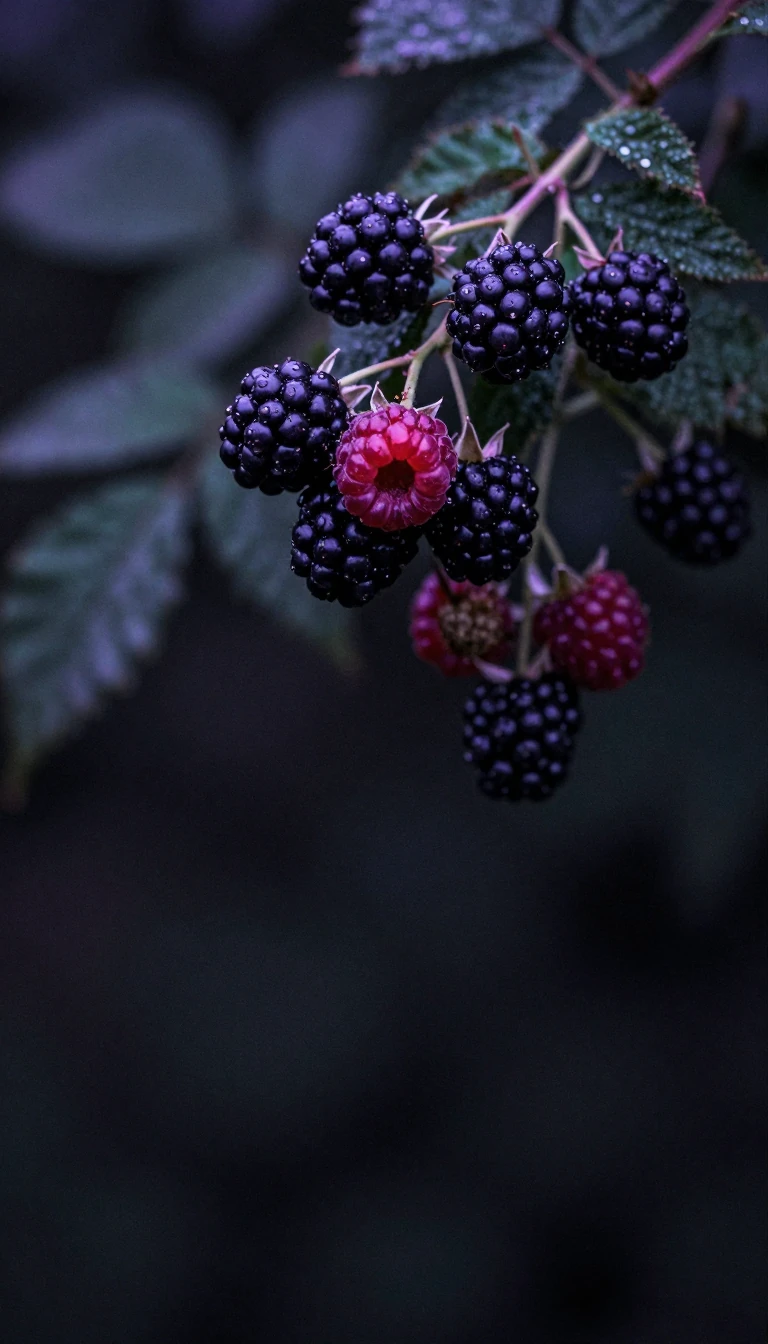
In short: To a botanist, a berry is a fleshy fruit grown from the ovary of a single flower, and that rule produces some surprising results. Tomatoes, grapes, aubergines, bananas and even watermelons qualify, while strawberries, raspberries and blackberries are shut out. Juniper berries are not even fruits at all.
In the kitchen, a berry is simply a small, juicy, pitless fruit, the kind the British call soft fruit. Botany is stricter. Blueberries, cranberries, gooseberries, elderberries and blackcurrants pass both tests. Strawberries, raspberries and blackberries fail because each one forms from many ovaries of a single flower, making them aggregate fruits, and mulberries count as multiple fruits. Sloes are really tiny stone fruits, like plums. Watermelons and pumpkins are giant berries of a type called pepos.
Junipers and yews stretch the word furthest. They are conifers, which do not produce fruit, and their so-called berries are heavily modified cones. In juniper, the scales that are normally hard and woody turn soft and fleshy, which is why they can flavour gin, while a yew's red berry is a fleshy growth almost wrapping a poisonous seed. That these plants evolved berry lookalikes independently is a neat case of convergent evolution.
People have gathered berries since before farming, and Native Americans mixed them with meat and fat to make pemmican. The strawberry now dominates, grown worldwide at double the volume of every other berry crop combined. The modern garden strawberry is an accident: in the mid 18th century a French gardener noticed that Chilean plants set among other species bore huge fruit, a chance cross that Antoine Nicolas Duchesne went on to study. Blueberries, by contrast, were domesticated only from 1911, with the first commercial harvest in 1916.
Growers must balance cold carefully. Most soft fruit needs a spell between 0 and 10 °C to break dormancy, from a few hundred hours for strawberries to 2,000 for cranberries, yet deep frost kills plants. After picking, berries are chilled to around 0 °C, where raspberries last only two to five days but cranberries keep for two to four months.
Opens the Intellect+ feed with this card first. Swipe up for the next one.
Sources
- Summary by Intellect · source: Berry
To cite this card, link to https://intellectplus.co.uk/app/technology-berry.
How we source, check and correct cards: Editorial standards.
General information, not professional advice. Spotted an error? Flag the card or see corrections and complaints.
Intellect Plus is a visual educational discovery platform for exploring fascinating facts and ideas. Brain Food, Not Brain Rot. What is Intellect Plus?
Related
More in Cars · More in Technology · Latest · A–Z · All topics
