Can a microscopic laboratory replace an entire medical research facility?
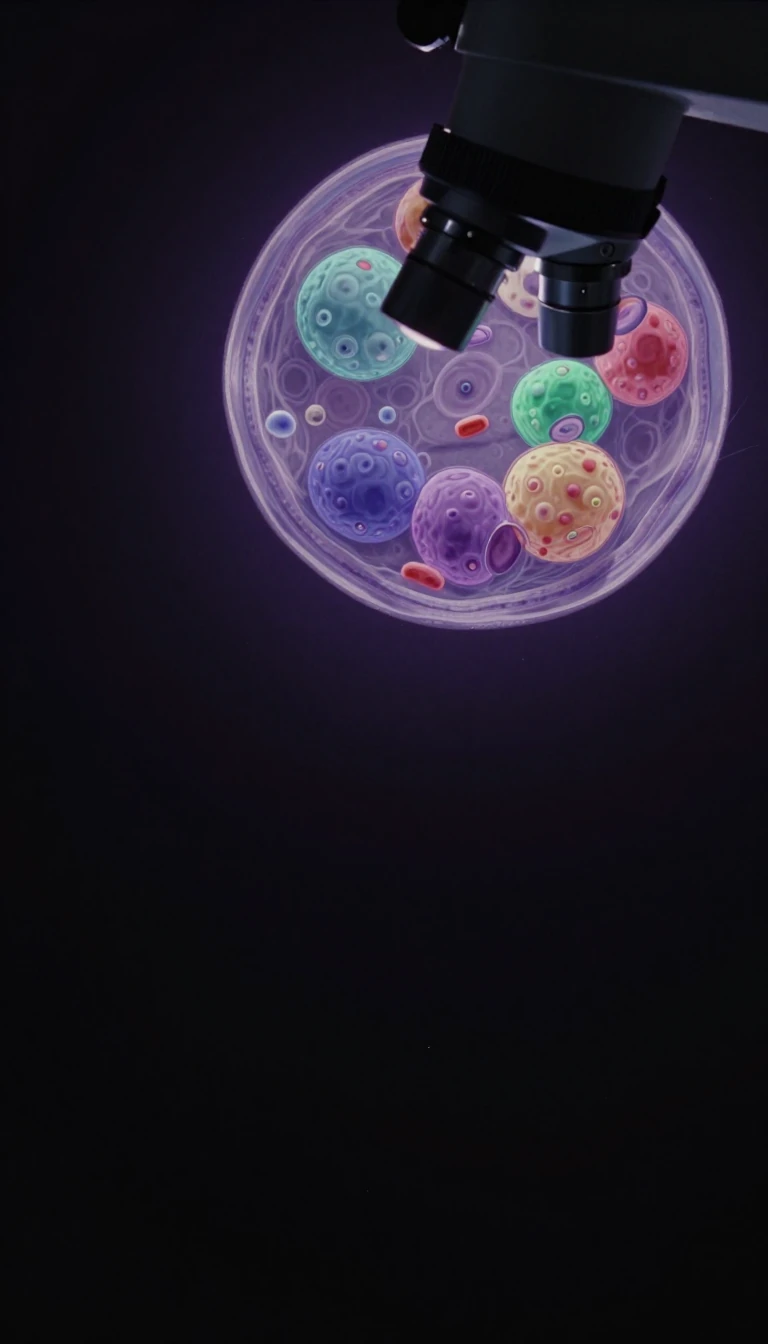
In short: Imagine a device no larger than a computer chip that can simultaneously screen thousands of biological reactions. These miniaturized laboratories, known as biochips, are revolutionizing how we detect diseases, monitor environmental toxins, and develop personalized medicines by condensing complex biochemical processes onto a single substrate.
At its core, a biochip is an engineered substrate designed to host a vast number of simultaneous biochemical reactions. Much like an electronic integrated circuit, these devices use a dense, two-dimensional grid of sensors—known as a microarray—to identify specific molecules. By using surface chemistry to covalently bind sensor molecules to a substrate like glass or silicon, scientists can create a platform capable of massive multiplexing: the ability to analyze a wide panel of related tests from a single, tiny sample.
The technology relies on a sophisticated chain of events. First, a biological event occurs, such as DNA binding or an oxidation-reduction reaction. This must then undergo transduction, where the event is converted into a readable format like light intensity or voltage. For DNA-based chips, this often involves fluorescence, where molecules are tagged to be observed optically. In protein biochip arrays, such as the Evidence analyzer launched by Randox Laboratories in 2003, chemiluminescence reactions are often detected using high-resolution charge-coupled device (CCD) cameras.
Manufacturing these chips is a significant technological hurdle. One method, used by companies like Affymetrix, involves microlithography to synthesize DNA sensors one nucleotide at a time. While powerful, this process is currently limited to creating short DNA strands of 15 to 25 nucleotides due to cost and reliability constraints. Alternatively, 'random' fabrication uses parallelized self-assembly, such as the method used by Illumina, where functionalized beads are placed in wells and identified via unique fluorescent signatures.
The implications for medicine are profound. Biochips enable high-throughput screening for drug efficacy and safety, and they are essential for detecting genetic mutations in genes like p53, BRCA1, and BRCA2. As the technology evolves through lab-on-a-chip (LOC) devices—which integrate sample preparation and analysis into one compact platform—the dream of a portable, highly sensitive diagnostic tool for everything from cancer to bioterrorism agents moves closer to reality.
Opens the Intellect+ feed with this card first. Swipe up for the next one.
Sources
- Summary by Intellect · source: Biochip
To cite this card, link to https://intellectplus.co.uk/app/technology-biochip.
How we source, check and correct cards: Editorial standards.
General information, not professional advice. Spotted an error? Flag the card or see corrections and complaints.
Intellect Plus is a visual educational discovery platform for exploring fascinating facts and ideas. Brain Food, Not Brain Rot. What is Intellect Plus?
Related
More in Biotechnology · More in Technology · Latest · A–Z · All topics
