Why the blacksmith's ancient art is defined by fire, scale, and precise manipulation
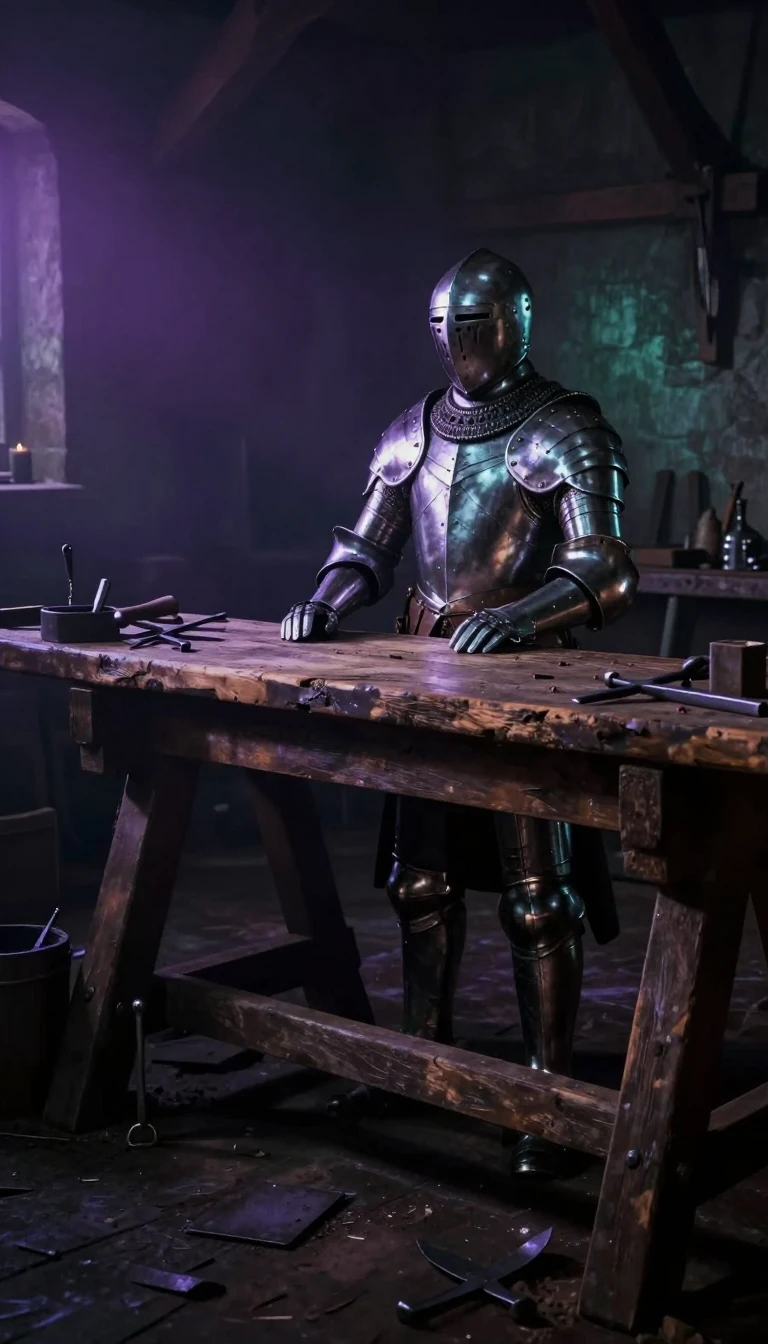
In short: The term blacksmith originates from the black firescale that coats metal during heating. Far from merely hammering iron, these skilled workers use sophisticated heat management and geometry to reshape steel. By mastering the interplay of drawing, upsetting, and welding, they turn raw, rigid bars into functional tools and intricate art.
At its core, blacksmithing is the art of manipulating metal without removing material. Unlike machining, which drills away swarf, a smith uses heat—often reaching a bright yellow-orange glow—to make wrought iron or steel ductile. By employing techniques like drawing, which lengthens a piece by reducing its width or depth, or upsetting, which thickens a section by shortening it, the smith forces the metal into the desired form. This requires a deep understanding of how different alloys react to the hammer and anvil.
The chemistry of the metal is as critical as the physical force applied. Carbon content dictates whether a material is forgeable; cast iron, with over 2% carbon, is too brittle for the forge. Historically, smiths favored wrought iron, which contained glassy iron silicate slag that provided toughness and rust resistance. Today, mild steel is the standard substitute, though it presents a narrower temperature window for forge welding—a process where two pieces are joined by heating them to near-molten white heat and hammering them together to squeeze out impurities.
Modern smithing balances tradition with technology. While the classic anvil and hammer remain central, smiths now utilize induction heating, oxyacetylene torches, and power hammers to replace the manual labor of a striker. Finishing processes, ranging from simple wire brushing to heat treatment and chemical coatings like bluing or browning, ensure the final product is both durable and aesthetically refined. Whether crafting a simple tool or a complex sculpture, the smith remains a master of managing oxygen, temperature, and the structural integrity of the metal.
The work is not without its challenges. Some metals, such as titanium, are hot short, meaning they lose tensile strength when heated and will crack if stretched. Mastering these materials requires precise control and an intimate knowledge of how heat affects the atomic structure of the workpiece. It is a discipline where the environment—specifically the lighting and the oxygen levels in the forge—must be carefully curated to ensure the metal is worked at exactly the right temperature.
Opens the Intellect+ feed with this card first. Swipe up for the next one.
Sources
- Summary by Intellect · source: Blacksmith
To cite this card, link to https://intellectplus.co.uk/app/technology-blacksmith.
How we source, check and correct cards: Editorial standards.
General information, not professional advice. Spotted an error? Flag the card or see corrections and complaints.
Intellect Plus is a visual educational discovery platform for exploring fascinating facts and ideas. Brain Food, Not Brain Rot. What is Intellect Plus?
Related
More in Art · Latest · A–Z · All topics
