How the BMW 7 Series G11 pioneered a new era of modular luxury engineering
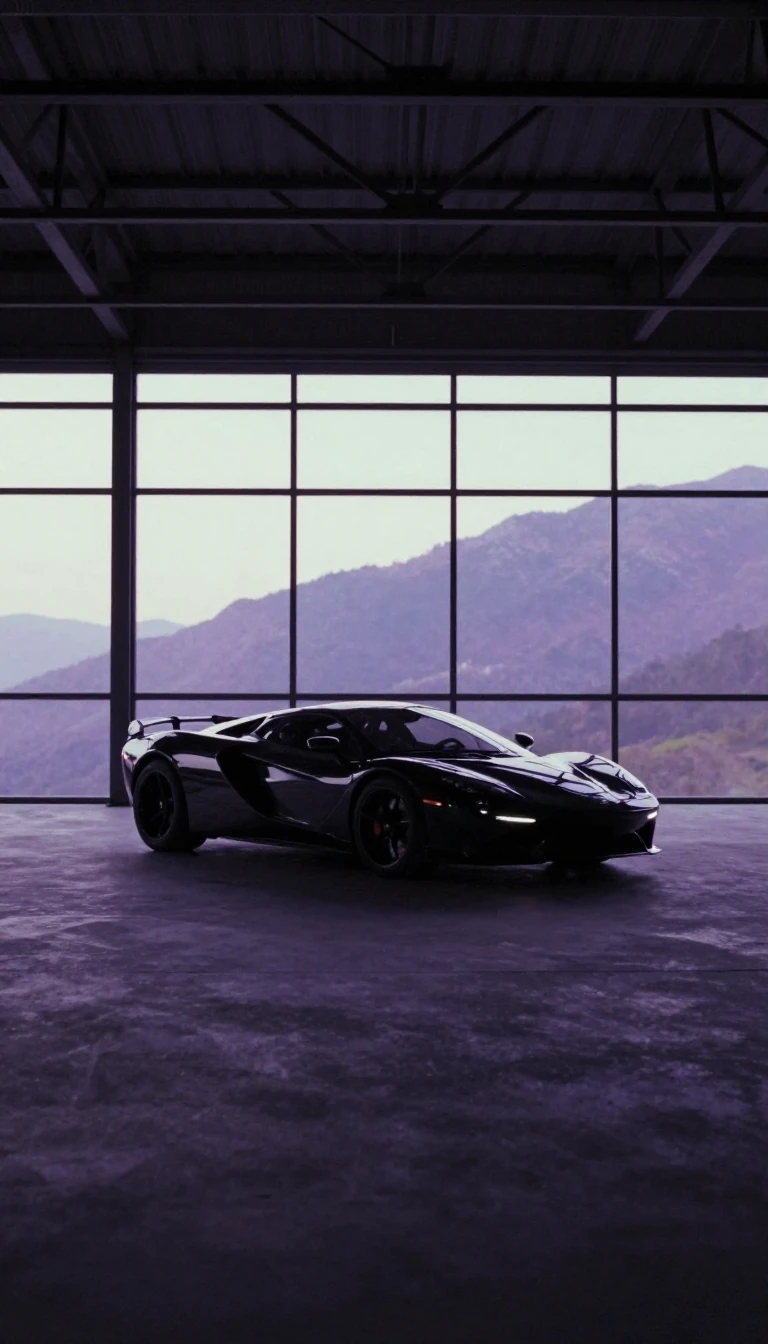
In short: The G11 generation of the BMW 7 Series, produced from 2015 to 2022, marked a radical shift in automotive construction. By introducing the modular CLAR platform and integrating carbon-fibre-reinforced polymer into the chassis, BMW achieved significant weight reduction and structural rigidity, setting a new technical benchmark for its flagship luxury saloons.
Unveiled in June 2015, the G11 generation—comprising the short-wheelbase G11 and long-wheelbase G12—represented BMW's first application of the Cluster Architecture (CLAR) platform. This modular foundation allowed for the integration of advanced materials, most notably carbon-fibre-reinforced polymer (CFRP). By combining CFRP with tensile steel and aluminium, engineers successfully lowered the vehicle's center of gravity and maintained a 50/50 axle load distribution. The result was a body 40 kg lighter than its predecessor, with CFRP strategically placed to increase torsional rigidity and divert impact forces in high-stress areas.
The G11 was designed with a focus on aerodynamic efficiency and intelligent driver assistance. Features like active grille shutters and air openings behind the front wheel arches helped achieve a drag coefficient of 0.24cd. Inside, the iDrive 6.0 system introduced gesture control, allowing users to interact with secondary car functions through a 3D scanner. The vehicle's autonomous capabilities were also expanded, with parking systems utilizing radar and cameras, and cruise control systems capable of recognizing and adapting to speed limits.
The powertrain strategy evolved significantly during the G11's lifecycle. In 2016, BMW launched the 740e iPerformance, the first plug-in hybrid 7 Series, signaling a broader push to transfer technology from the BMW i sub-brand to the core lineup. The range eventually included everything from efficient inline-four engines to the powerful 6.6-litre V12 found in the M760Li xDrive. By 2019, a facelift introduced even more sophisticated tech, including the Extended Traffic Jam Assistant, which allowed for hands-free driving at speeds up to 56 km/h. The era concluded in 2022 with the limited 'Final V12' edition, marking the end of V12 production for BMW series vehicles.
While the G11 was primarily manufactured at the Dingolfing plant in Germany, its global footprint included assembly in Indonesia, Thailand, and India. The model's technical ambition was recognized by industry experts, including IEEE Spectrum, which named the 2016 7 Series one of the top ten tech cars of that year.
Opens the Intellect+ feed with this card first. Swipe up for the next one.
Sources
- Summary by Intellect · source: BMW 7 Series (G11)
To cite this card, link to https://intellectplus.co.uk/app/technology-bmw-7-series-g11.
How we source, check and correct cards: Editorial standards.
General information, not professional advice. Spotted an error? Flag the card or see corrections and complaints.
Intellect Plus is a visual educational discovery platform for exploring fascinating facts and ideas. Brain Food, Not Brain Rot. What is Intellect Plus?
Related
More in Cars · More in Technology · Latest · A–Z · All topics
