How the Boeing 767 redefined global travel by shrinking the wide-body jetliner
In short: Launched in 1978, the Boeing 767 was a gamble on efficiency that transformed aviation. By introducing a smaller, twin-aisle fuselage and a pioneering two-crew glass cockpit, it enabled the rise of direct, point-to-point transatlantic flights, effectively challenging the industry's reliance on traditional hub-and-spoke models for long-haul travel.
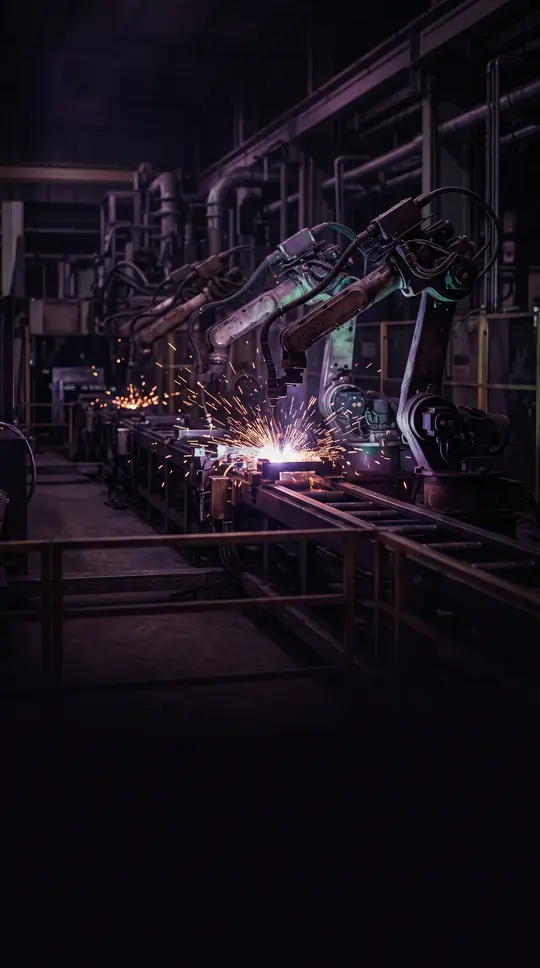
The 767 program began as a strategic response to the 747, which had dominated the wide-body market since 1970. Boeing sought to replace aging narrow-body jets with a mid-size, twin-aisle aircraft that offered superior fuel efficiency. To manage the immense development costs, Boeing formed its first major international joint venture, partnering with Italian firm Aeritalia and the Japanese Civil Transport Development Corporation. This collaboration allowed for a distributed manufacturing network, with components integrated at the Everett factory using advanced robotic assembly techniques.
Technological innovation was central to the 767's design. It was the first Boeing airliner to feature a two-crew digital glass cockpit, replacing the traditional flight engineer with cathode ray tube displays. While initially met with skepticism from carriers like United Airlines, the configuration was eventually validated by a US presidential task force. Aerodynamically, the aircraft utilized a supercritical wing to reduce drag, and its fuselage was sized specifically to accommodate the LD2 cargo container, a compromise that balanced cabin width with fuel-saving efficiency.
The aircraft's operational versatility was bolstered by the loosening of ETOPS rules in 1985, which allowed twin-engine jets to safely operate transatlantic routes. This shift triggered a paradigm shift in the airline industry, as carriers began bypassing major hubs to offer non-stop flights between secondary cities. Although the 767 was eventually succeeded by the 787 Dreamliner in 2011, its legacy persists through its continued use as a freighter and its role as the foundation for the KC-46 aerial tanker, proving the enduring utility of its original design.
Opens the Intellect+ feed with this card first. Swipe up for the next one.
Sources
- Summary by Intellect · source: Boeing 767
To cite this card, link to https://intellectplus.co.uk/app/technology-boeing-767.
How we source, check and correct cards: Editorial standards.
General information, not professional advice. Spotted an error? Flag the card or see corrections and complaints.
Intellect Plus is a visual educational discovery platform for exploring fascinating facts and ideas. Brain Food, Not Brain Rot. What is Intellect Plus?
Related
More in UK & Ireland: inventions · More in Technology · Latest · A–Z · All topics
