The car bomb evolved from 16th-century explosive ships into a modern urban warfare weapon.
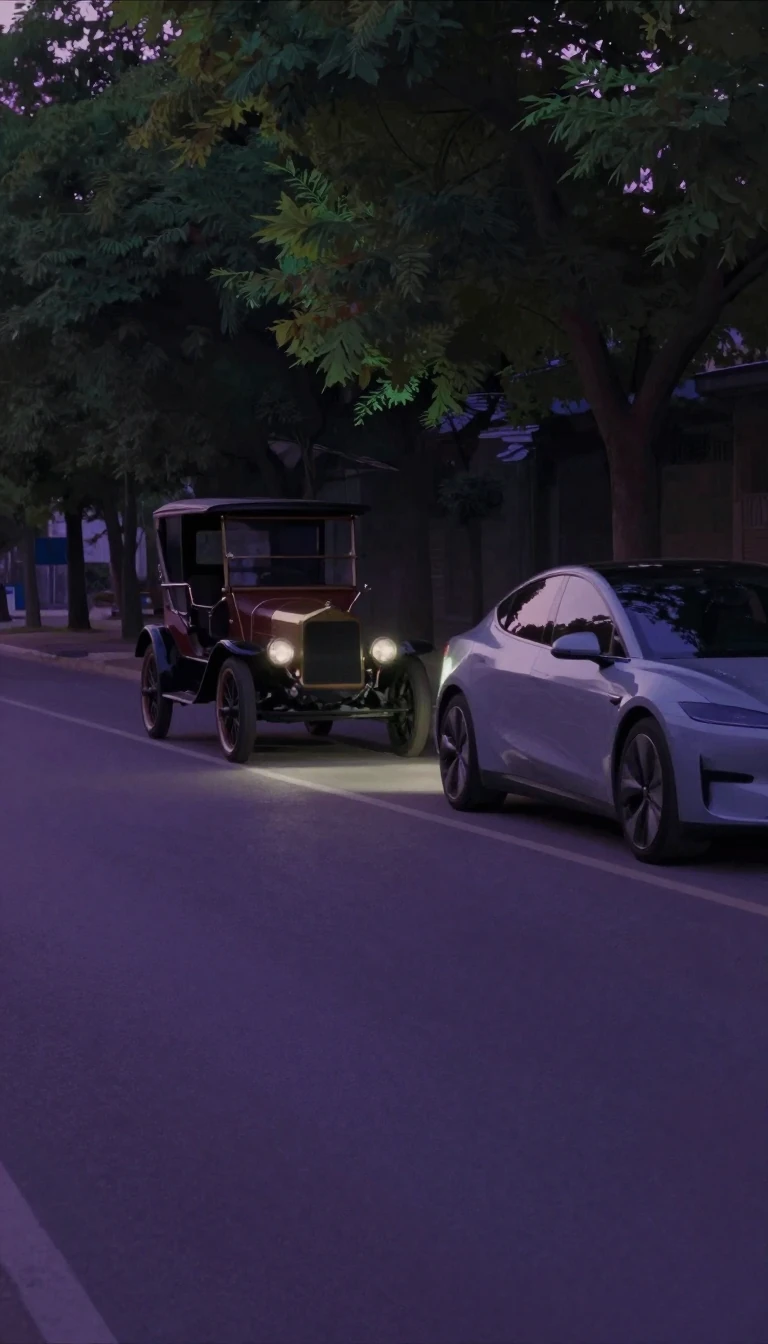
In short: A vehicle-borne improvised explosive device is more than a bomb; it is a delivery system. By disguising massive payloads within ordinary transport, these weapons bypass security to strike targets with devastating efficiency. From early horse-drawn carts to armored suicide vehicles, the car bomb has reshaped the nature of asymmetric conflict.
The concept of using a mobile vessel for explosives predates the automobile by centuries. In the 16th century, Dutch forces deployed 'hellburners'—explosive-laden ships—against Spanish besiegers in Antwerp. This principle of a self-delivering explosive evolved through animal-drawn carts, such as the device used in the 1800 attempt on Napoleon, before transitioning to motor vehicles. By the 1920s, prototypes like the wagon used in the Wall Street bombing emerged, and by 1927, the Bath School bombings in Michigan marked the first reported use of a car-based device.
Tactically, the car bomb serves two distinct purposes: assassination or mass-casualty attacks on infrastructure and crowds. Groups like the Irgun in the 1930s and 1940s are often cited as key developers of the tactic, moving from animal-based attacks to fully conceptualized urban warfare car bombings by 1947. During the Lebanese Civil War, the scale of this violence reached extreme levels, with thousands of such devices detonated. The Provisional Irish Republican Army later utilized the car bomb as a strategic tool to disrupt government administration and drain security resources.
Modern iterations have become increasingly sophisticated. In conflicts like those in Iraq and Syria, combatants outfitted civilian vehicles with armor plating and metal grating to protect drivers from small arms fire and rocket-propelled grenades, creating a mobile, hardened strike platform. Defenses against these threats have forced a shift in urban planning, leading to the permanent closure of streets near sensitive government sites and the widespread installation of bollards and concrete barriers. Despite these countermeasures, the car bomb remains a persistent threat due to its ability to transport heavy explosive loads while remaining difficult to detect until the moment of detonation.
Opens the Intellect+ feed with this card first. Swipe up for the next one.
Sources
- Summary by Intellect · source: Car bomb
To cite this card, link to https://intellectplus.co.uk/app/technology-car-bomb.
How we source, check and correct cards: Editorial standards.
General information, not professional advice. Spotted an error? Flag the card or see corrections and complaints.
Intellect Plus is a visual educational discovery platform for exploring fascinating facts and ideas. Brain Food, Not Brain Rot. What is Intellect Plus?
Related
More in Military technology · More in Technology · Latest · A–Z · All topics
