The cash register was invented to stop employees from stealing from the till.
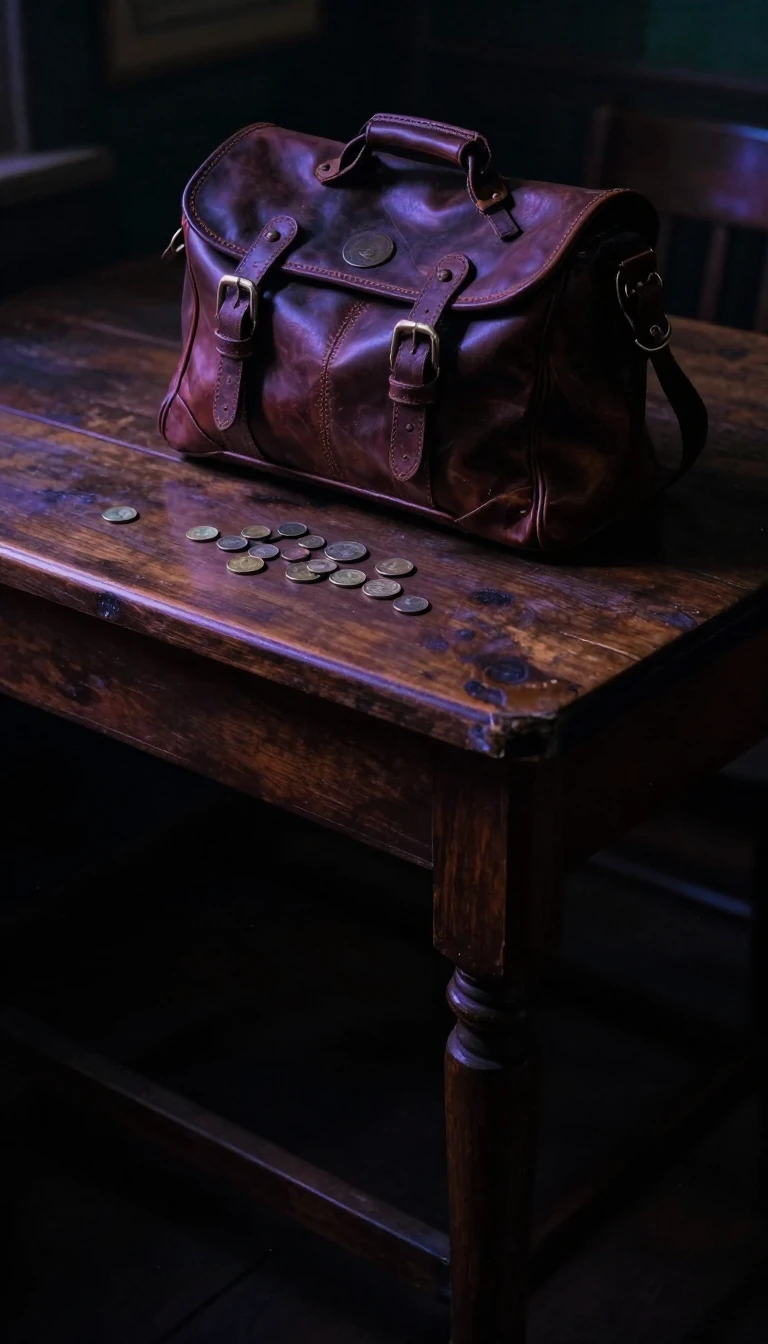
In short: Before digital screens and barcode scanners, the cash register was a simple mechanical tool designed for one purpose: catching thieves. Created by a saloon owner in 1879, the device aimed to force transparency in every transaction, ensuring that the cash in the drawer matched the day's total sales.
The cash register originated from a problem of trust. James Ritty, a saloon owner in Dayton, Ohio, suspected his staff were pocketing money. Inspired by a machine on a steamship that tracked propeller revolutions, Ritty and his brother John patented the Ritty Model I in 1879. This early device was essentially a mechanical adding machine that recorded sales on a dial, allowing owners to compare the day's receipts against the cash remaining in the drawer.
The technology evolved rapidly under John H. Patterson, who acquired the business in 1884 and renamed it the National Cash Register Company. Patterson introduced a paper roll to record transactions, creating the first journals and customer receipts. This innovation served a dual purpose: it provided internal bookkeeping for owners and external proof for customers, preventing both staff embezzlement and customer fraud. By 1906, Charles F. Kettering added an electric motor, further automating the process.
Modern systems have moved far beyond these mechanical roots. Today's point-of-sale terminals are often general-purpose computers or tablets running specialized software. They handle complex tasks like inventory tracking, tax calculation, and barcode scanning. Despite these advancements, the core function remains the same: secure cash management. Even in the era of self-checkout and digital payments, the cash drawer remains a critical, lockable component, often controlled by software impulses to ensure that every opening is logged and accounted for.
The legacy of the original design persists in unexpected ways. The practice of odd pricing—such as 99 cents—was popularized because it forced cashiers to open the register to provide change, thereby ensuring the transaction was officially recorded. Today, while systems are highly sophisticated, the fundamental tension between convenience and security continues to drive the design of retail technology.
Opens the Intellect+ feed with this card first. Swipe up for the next one.
Sources
- Summary by Intellect · source: Cash register
To cite this card, link to https://intellectplus.co.uk/app/technology-cash-register.
How we source, check and correct cards: Editorial standards.
General information, not professional advice. Spotted an error? Flag the card or see corrections and complaints.
Intellect Plus is a visual educational discovery platform for exploring fascinating facts and ideas. Brain Food, Not Brain Rot. What is Intellect Plus?
Related
More in Inventions · More in Technology · Latest · A–Z · All topics
